
Greystone, Birmingham•Serving patients since 1997

Porcelain veneers can refine the color, shape and proportions of your smile with results designed to look natural. At Reeves Cosmetic Dentistry, every case is planned around your features, dental health and personal goals.
Personalized Patient-First Care
Meeting Your Smile Goals
Advanced Technology
Precision-Driven Results
New Patients Welcome
A Comfortable Experience
Proudly Serving Greystone
& Greater Birmingham
Overview
Candidates
Process
Results
Cost
FAQ’s
Porcelain veneers are thin restorations that cover the visible front surface of selected teeth. Rather than moving teeth or simply lightening their color, veneers can change several aspects of a tooth’s appearance at the same time, including its shape, width, length and shade.
They may be considered for teeth that are chipped, worn, uneven, permanently discolored or separated by small spaces. Each veneer is individually designed and bonded to the tooth after the dentist evaluates your enamel, gum health, bite and overall treatment goals.
Veneers are not automatically the best choice for every cosmetic concern. Depending on what you would like to change, the Reeves team may also discuss whitening, dental bonding, clear aligners or crowns.
Natural-Looking Results
Stain-Resistant and Durable
Minimal Tooth Preparation
Treatment Type
Cosmetic Dentistry
Best Suited For
Improving tooth color, shape, size and proportion
Treatment Planning
Personalized to your smile, facial features and goals
Number of Visits
Varies based on your individual treatment plan
Materials
Custom-crafted dental porcelain
Maintenance
Daily brushing and flossing with routine dental visits
Porcelain veneers can address several cosmetic concerns at the same time by changing the visible color, shape, size and proportion of selected teeth. They are often considered when a patient wants a more balanced smile but does not need extensive restorative treatment.
Veneers may help cover discoloration that does not respond as well to professional teeth whitening.
Custom veneers can restore a smoother, more even appearance to teeth with small chips or worn edges.
Veneers can refine teeth that appear unusually narrow, short, irregular or out of proportion with the surrounding smile.
In certain cases, veneers can reduce the appearance of small spaces without moving the teeth.
Veneers may help create greater balance when neighboring teeth differ slightly in shape, size or position.
Veneers may be considered when previous bonding or cosmetic restorations no longer provide the appearance a patient wants.
The best way to know whether veneers are right for you is through a personal dental evaluation. The Reeves team will consider the health of your teeth and gums, the condition of your enamel, your bite and the changes you would like to make before recommending treatment.
During your consultation, the Reeves team will listen to your goals, evaluate your oral health and explain whether veneers or another cosmetic treatment would provide the most appropriate result.
A veneer consultation is more than a conversation about tooth color or shape. It is an opportunity to understand what you would like to change, evaluate the health and structure of your teeth and determine which treatment can provide the most appropriate result.
The Reeves team will begin by listening to your concerns and learning what you hope to achieve. Some patients are interested in improving one or two teeth, while others are considering a broader change to the appearance and balance of their smile.
During your consultation, the dentist may evaluate:
Dental photography, digital imaging or scans may also be used when appropriate to help document your smile and plan treatment.
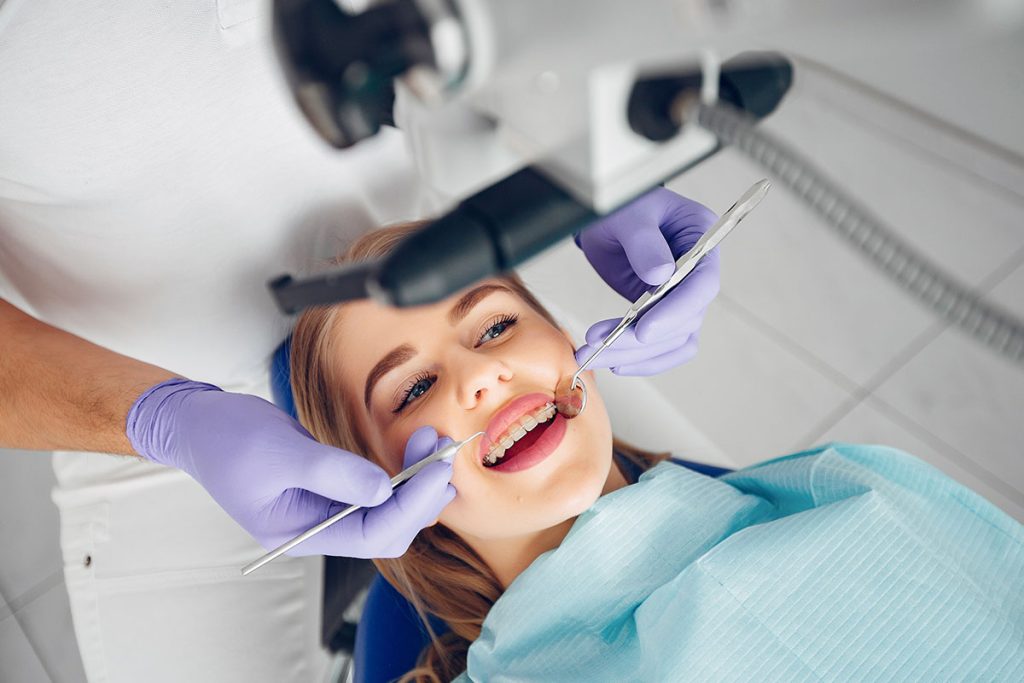
After the evaluation, your dentist will explain whether porcelain veneers are a suitable option and what treatment may involve. You will also have the opportunity to discuss the number of teeth that may need treatment, possible preparation, the expected timeline, maintenance and factors that affect cost.
If veneers are not the best fit, the Reeves team may recommend another approach, such as professional whitening, cosmetic bonding, clear aligners or dental crowns. The goal is not simply to place veneers, but to help you choose a treatment that supports your dental health and creates a result that feels natural to you.
Every veneer case is planned around the patient’s smile, oral health and treatment goals. While the exact process may vary, treatment generally follows these steps:
Your first visit is a conversation about what you would like to change about your smile. Your dentist evaluates your teeth, gums, bite and overall oral health to determine whether veneers are an appropriate option.
If veneers are a good fit, the next step is planning the details of your new smile. Tooth shape, proportion, shade and the relationship between your teeth and surrounding features are considered before treatment begins.
Photography, digital imaging, scans or impressions may be used to document your smile and communicate the treatment plan. When preparation is needed, a conservative amount of tooth structure may be reshaped to create room for the veneers.
Depending on the treatment plan, temporary restorations may be placed while your final veneers are being created. Temporaries can help protect prepared teeth and provide an early sense of the planned shape and proportions.
Your final veneers are created to match the treatment plan developed with your dentist. Shade, contour, translucency and surface characteristics are selected with the goal of creating a natural-looking result.
Before final bonding, your dentist evaluates the fit, color and appearance of the veneers. Once the result is approved, the teeth are prepared for bonding and the veneers are carefully secured in place.
After placement, your bite and overall result are evaluated. Your dentist will explain how to care for your veneers and may recommend routine follow-up visits to help protect both the restorations and your natural teeth.
The number of appointments, amount of tooth preparation and use of temporary veneers can vary from one patient to another. Dr. Reeves will explain the recommended sequence before treatment begins.
Every veneer case begins with a different concern. This patient wanted to improve the color, shape and overall balance of their smile while keeping the final result natural.
After evaluating the patient’s teeth, gums, bite and cosmetic goals, the Reeves team created a personalized treatment plan designed around the patient’s features and existing smile.
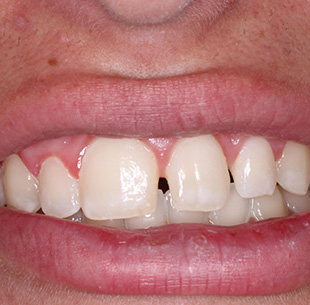
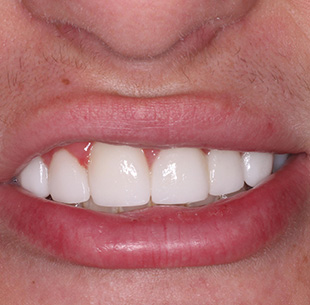
Natural-looking veneers depend on more than choosing a shade. Careful planning helps the dentist evaluate tooth proportions, surrounding teeth, bite, facial features and the details that make each smile unique. Depending on your treatment needs, the Reeves team may use photography, digital imaging, scans and other planning tools to design veneers that fit comfortably and complement your appearance.
Clinical photographs and digital planning tools may be used to study tooth shape, proportions and symmetry before treatment begins.
Digital scans or impressions create an accurate record of your teeth and help guide the design and fit of your veneers.
When appropriate, a mock-up, digital preview or temporary restorations may help you better understand the proposed shape and appearance of your new smile.
Each veneer is created to match the treatment plan, with attention to shade, translucency, surface texture and the surrounding natural teeth.
The specific technology and planning process used will depend on your teeth, goals and recommended treatment.
The cost of porcelain veneers varies from one patient to another because every treatment plan is different. During your consultation, the Reeves team will evaluate your smile, discuss your goals and explain the factors that may influence the total cost of treatment.
Customized To You
Every treatment plan is based on your smile, goals and clinical needs.
Clear Cost Estimate
You will receive a personalized estimate before treatment begins.
Payment Options
Ask the Reeves team about available payment or financing options.
Schedule a consultation to find out whether porcelain veneers are right for you and receive a personalized treatment recommendation.
Porcelain veneers should look like they belong to you—not like a one-size-fits-all smile. At Reeves Cosmetic Dentistry, treatment planning begins with your goals, dental health and natural features so every recommendation is made with both appearance and long-term function in mind.

Dr. Todd Reeves takes a detail-focused approach to cosmetic dentistry, considering tooth shape, color, proportion and the way each restoration fits within the patient’s overall smile.

Dr. Coleman Reeves brings a restorative perspective to treatment planning, helping ensure cosmetic improvements also support the strength, function and long-term health of the teeth.
“Our goal is not simply to change the appearance of a tooth. We want to understand the patient, plan carefully and create a smile that feels natural, comfortable and true to them.”
– Dr. Todd & Dr. Coleman Reeves
Choosing a dentist is personal. Hear directly from patients about their experiences with our doctors, team and approach to care.
HEAR FROM OUR REAL PATIENTS
Hear directly from patients about the care they received, the confidence they gained, and what made their experience at Reeves feel different.
What Patients Value Most
Feeling listened to, having treatment explained clearly, and knowing their care is being planned around what’s right for them—not a one-size-fits-all approach.
Clear answers to common questions about porcelain veneers, treatment planning, longevity, maintenance and cost.
Questions 1–10 cover what veneers are, what they can change, preparation, comfort, timing and longevity.
Porcelain veneers are thin, custom-made shells that are bonded to the front surfaces of selected teeth. They are designed to change the visible color, shape, size or proportion of a tooth while preserving more natural tooth structure than a full dental crown.
Veneers are commonly made from dental porcelain because it can be shaped and shaded to resemble natural enamel. Before recommending treatment, the dentist evaluates your teeth, gums, enamel, bite and cosmetic goals to determine whether veneers are an appropriate long-term option.
Porcelain veneers may improve teeth that appear permanently discolored, chipped, worn, uneven, too small or slightly out of proportion with the surrounding smile. They can also reduce the appearance of small spaces and create better balance when neighboring teeth differ in shape or size.
Veneers do not treat every cosmetic or functional concern. Whitening may be more appropriate when color is the only issue, while bonding, clear aligners or crowns may be recommended when a different approach would be healthier or more conservative.
Yes. Well-planned porcelain veneers can closely reproduce the translucency, surface texture and color variation found in natural teeth. The final result depends on more than selecting a bright shade.
The dentist also considers tooth shape, proportions, surrounding teeth, gum line, facial features and the way the teeth appear when you speak and smile. Natural-looking results are usually created by avoiding an overly uniform or opaque appearance and by designing each veneer to fit the individual patient rather than using the same smile design for everyone.
In most traditional porcelain veneer cases, a small amount of enamel is removed so the veneer can fit naturally and bond securely without making the tooth appear bulky. The amount of preparation varies according to the position, shape and condition of the tooth, as well as the type of veneer being used.
Some cases may require very little preparation, but “minimal-prep” does not mean that every patient can avoid enamel removal. Your dentist should explain the planned preparation and how it will affect your teeth before treatment begins.
Traditional porcelain veneers are generally considered irreversible because enamel is usually removed before the restorations are bonded in place. Once a tooth has been prepared, it will normally continue to need a veneer or another restoration in the future.
Even minimal-preparation cases should be viewed as a long-term commitment rather than a temporary cosmetic change. Before moving forward, your dentist should discuss more conservative alternatives, such as whitening, bonding or orthodontic treatment, when those options could reasonably accomplish your goals.
Most patients tolerate veneer treatment well. When tooth preparation is needed, local anesthetic may be used to keep the area comfortable. You may notice pressure during treatment and temporary sensitivity afterward, especially to hot or cold temperatures.
Temporary veneers can also feel different from natural teeth while you are waiting for the final restorations. Sensitivity usually improves, but persistent pain, an uneven bite or a loose temporary should be reported to the dentist. Your individual experience will depend on the number of teeth treated and the amount of preparation required.
The number of veneers depends on what you want to change, how many teeth show when you smile and whether the surrounding teeth can be blended naturally through whitening, bonding or another treatment.
Some patients may need one veneer for a damaged or unusually shaped tooth. Others may treat several front teeth to create more consistent color and proportion. More veneers are not automatically better. The dentist should recommend the smallest number that can create a balanced result while protecting healthy tooth structure and staying within your goals and budget.
Porcelain veneer treatment usually takes more than one appointment. A typical sequence includes a consultation and treatment-planning visit, an appointment to prepare the teeth and take digital scans or impressions, and a final visit to evaluate and bond the completed veneers.
Temporary veneers may be worn while the final restorations are being created. The total timeline can range from a few weeks to longer depending on the number of teeth, the laboratory schedule, additional dental treatment and whether adjustments are needed. The Reeves team will provide a case-specific schedule before treatment begins.
Porcelain veneers often last 10 years or longer, and many remain successful well beyond that point. Their lifespan depends on the quality of the bond, how much healthy enamel is available, the patient’s bite, oral hygiene, grinding habits and how the veneers are used and maintained.
Veneers are not lifetime restorations and may eventually need repair or replacement. Regular dental examinations help identify small concerns before they become larger problems. Avoiding ice, pens and other hard objects can also reduce the risk of damage. Individual results vary considerably.
Porcelain is highly resistant to the types of surface staining that commonly affect natural enamel, but veneers are not completely maintenance-free. Stain can collect around the edges of a restoration, and the natural teeth beside or behind the veneers may still darken over time.
The porcelain itself also will not respond to bleaching products. Brushing, flossing, professional cleanings and limiting tobacco or heavily staining habits can help preserve a consistent appearance. If the surrounding natural teeth change color, the dentist can discuss whitening or other options.
Questions 11–20 cover durability, grinding, alternatives, whitening, maintenance, cost, insurance and scheduling.
Yes. Porcelain veneers are strong, but they can chip, crack, loosen or debond, particularly when exposed to excessive force. Biting ice, opening packages with the teeth, chewing hard objects or grinding and clenching may increase the risk.
A very small defect may sometimes be polished or repaired, while a larger fracture may require replacement of the veneer. Contact the dentist if a veneer feels loose, develops a rough edge or changes the way your bite feels. Prompt evaluation may help prevent additional damage to the veneer or underlying tooth.
Possibly, but grinding and clenching must be evaluated carefully. Bruxism places repeated force on teeth and restorations and can increase the risk of veneer chipping, fracture or debonding.
Some patients can still receive veneers after the dentist evaluates the bite, addresses contributing problems and recommends protection such as a custom night guard. Severe or uncontrolled grinding may make another treatment more appropriate. Tell your dentist about jaw soreness, worn teeth, broken restorations or a history of grinding so the treatment plan can account for those risks.
Veneers can visually improve the appearance of mildly rotated, uneven or spaced teeth, but they do not move teeth or correct the way the upper and lower teeth fit together.
When misalignment is minor, reshaping the visible surfaces may create a straighter-looking smile. More significant crowding, rotation or bite problems are often better treated with orthodontics before cosmetic restorations are considered. The dentist should evaluate whether veneers can create the desired result without removing too much healthy tooth structure or compromising the long-term function of your bite.
Dental bonding uses tooth-colored composite resin that is applied and shaped directly on the tooth, often in a single visit. It can be a conservative and sometimes reversible option for smaller chips, gaps or shape changes.
Porcelain veneers are custom-made restorations that generally provide greater stain resistance, strength and long-term color stability, but they usually require enamel preparation and more than one appointment. Bonding may need more frequent polishing, repair or replacement. The better choice depends on the size of the desired change, your bite, budget and long-term expectations.
A veneer covers only the visible front surface of a tooth, while a crown surrounds most or all of the tooth above the gumline. Veneers are primarily used to improve appearance when the underlying tooth is healthy enough to support a conservative restoration.
Crowns are more often recommended when a tooth has extensive decay, a large filling, a fracture, significant wear or another condition requiring structural protection. Because crowns generally require more tooth reduction, the dentist should choose the most conservative restoration that can safely meet both cosmetic and functional needs.
Sometimes. If natural teeth will remain visible beside the veneers and you would like them lighter, whitening may be completed before the final veneer shade is selected. This allows the veneers to be matched to the brighter surrounding teeth.
Porcelain does not respond to bleaching after it has been placed, so planning the final color in advance is important. Whitening is not necessary for every patient, especially when discoloration is limited to the teeth being covered. Your dentist can recommend the right sequence based on your smile, desired shade and overall treatment plan.
Care for veneers much like natural teeth. Brush twice daily with a soft-bristled toothbrush and nonabrasive fluoride toothpaste, floss around each veneer and maintain routine dental examinations and cleanings.
Avoid chewing ice, biting pens, opening packages with your teeth or using your front teeth on very hard foods. If you grind or clench, wear any night guard recommended by your dentist. Porcelain cannot decay, but the natural tooth underneath and the margins around the veneer still require careful cleaning. Report looseness, sensitivity, rough edges or changes in your bite promptly.
There is no single price for porcelain veneers in Birmingham because the fee depends on the number of teeth being treated, the complexity of the case, the materials and laboratory process, tooth preparation, existing dental work and any treatment needed beforehand.
A patient treating one tooth will have a very different plan from someone redesigning several visible teeth. The most useful estimate comes after an examination and discussion of your goals. Reeves Cosmetic Dentistry can provide a written treatment plan, review the total fee and explain available payment or financing options once those arrangements are confirmed.
Dental insurance usually does not cover veneers placed only to improve appearance because they are generally classified as cosmetic treatment. Coverage can vary by plan, and the way a procedure is considered may differ when a tooth also has documented damage or another restorative need.
Before treatment, review your benefits and ask whether a pre-treatment estimate can be submitted. The Reeves team can explain what documentation is available, but the insurance company makes the final coverage decision. Patients should also ask about available payment and financing options.
To schedule a porcelain veneer consultation, call Reeves Cosmetic Dentistry at (205) 991-9997 or submit the appointment-request form on the website. Let the team know that you are interested in cosmetic dentistry or porcelain veneers and briefly describe what you would like to change about your smile.
Bring questions, information about previous dental treatment and any inspiration photos that help communicate your preferences. During the visit, the dentist can evaluate your oral health, discuss realistic options and explain the recommended process, timeline and cost.
A consultation gives you the opportunity to ask questions about your teeth, your goals and whether porcelain veneers are the right option for you.
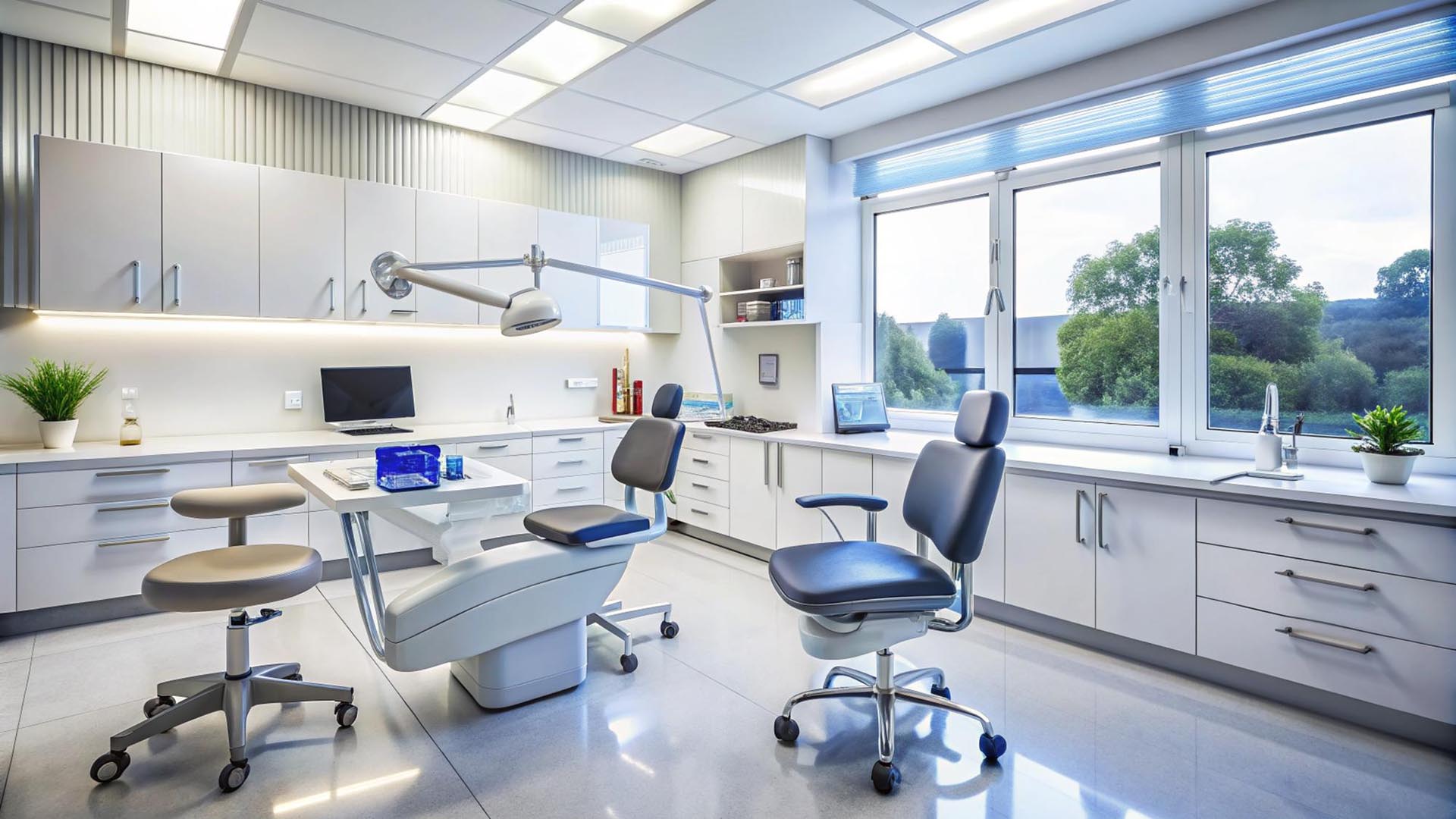
Reeves Cosmetic Dentistry is located in the heart of Greystone, one of Birmingham’s premier professional communities. Our office is easily accessible from Highway 280 and serves patients from across the Greater Birmingham area who want expert cosmetic care in a comfortable, modern environment.
Greystone, Hoover, Mountain Brook, Vestavia Hills, Chelsea, Homewood, Indian Springs Village, and surrounding communities across Birmingham.
8040 Hugh Daniel Drive
Birmingham, AL 35242
Our office is conveniently located just off Highway 280 in Greystone. Free parking is available directly in front of our building with step-free access to our entrance.
8:00 AM – 5:00 PM
Call our office with questions or to schedule a consultation.


Personalized cosmetic, restorative, implant and family dentistry in Greystone, Birmingham, Alabama.
Copyright © 2027 All Rights Reserved.