
Greystone, Birmingham•Serving patients since 1997

Dental pain has a way of changing the rest of the day very quickly. A tooth can break during a meal, swelling can appear unexpectedly or a problem that was manageable yesterday can suddenly become difficult to ignore.
Dr. Todd Reeves and Dr. Coleman Reeves evaluate urgent dental problems from Reeves Cosmetic Dentistry in Greystone. The first priority is understanding what happened, determining how urgently the problem needs attention and deciding what treatment or referral is appropriate.
You do not need to know whether the tooth needs a filling, crown, root canal or extraction before you call. The emergency visit begins with the problem, not with a predetermined procedure.
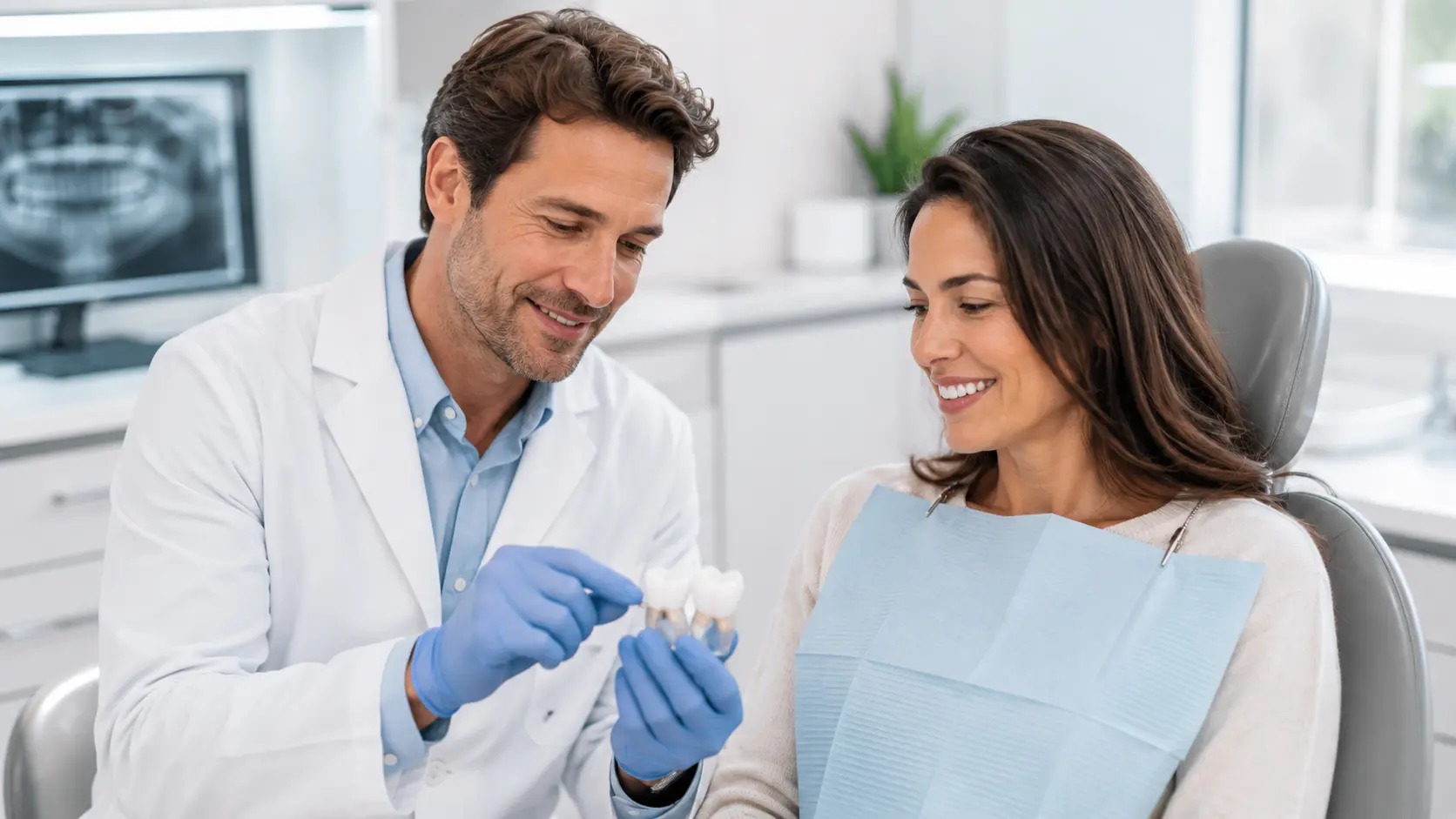
Broken teeth, swelling, pain and trauma can require very different next steps even when they all feel urgent.
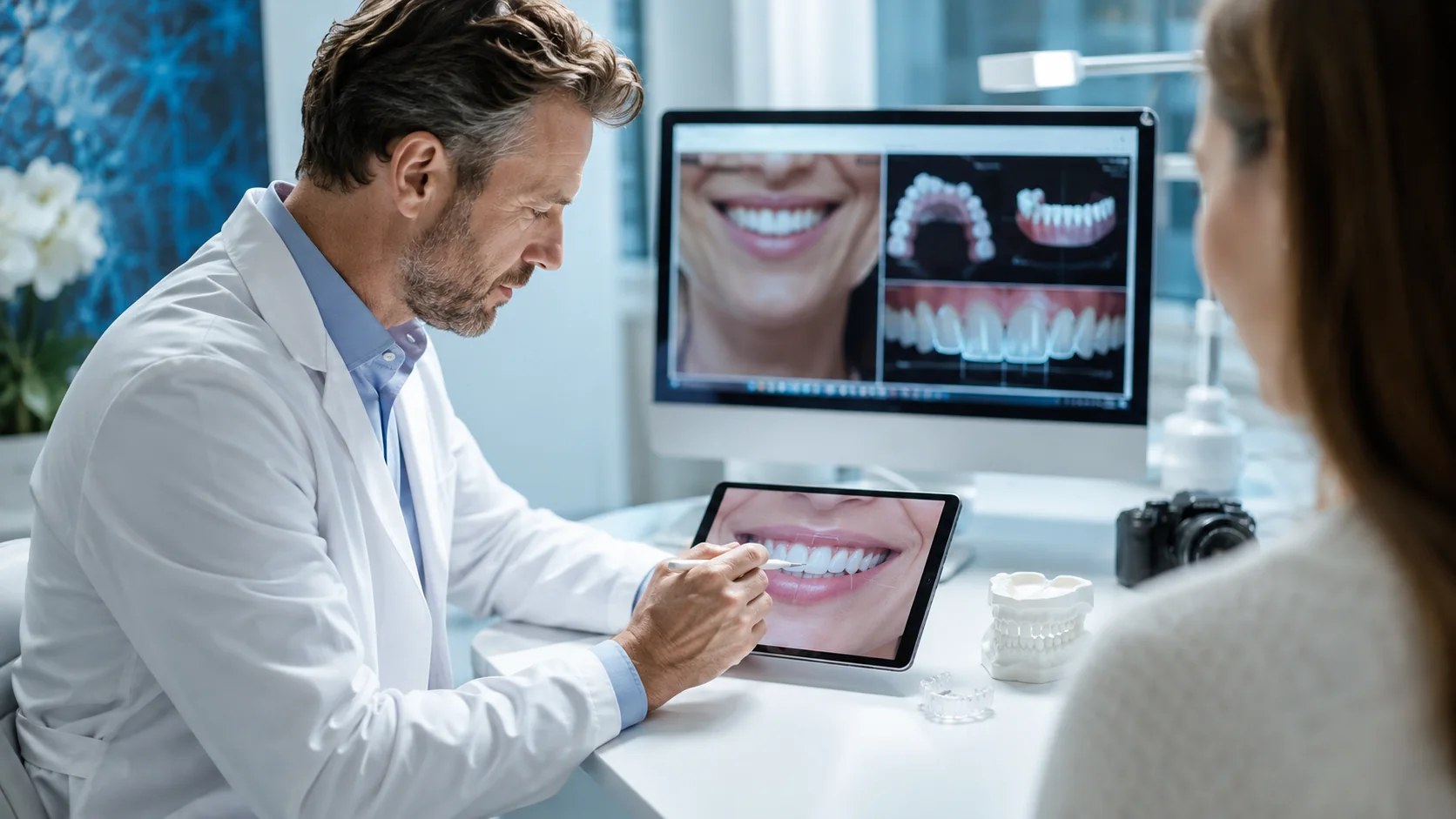
A dental emergency can involve severe pain, swelling, trauma, bleeding or damage that threatens a tooth or makes normal function difficult. The urgency depends on what is happening, because a small chip and a rapidly increasing facial swelling are very different situations.
Severe dental pain, localized infection, painful tooth fractures and dental trauma can all require urgent dental care. If something has changed suddenly and you are unsure whether it can wait, contacting the dental office is a reasonable first step.
Most toothaches and broken teeth are best evaluated in a dental setting because a dentist can treat the tooth itself. Certain symptoms, however, can signal a potentially life-threatening problem that belongs in an emergency department rather than waiting for a dental appointment.
Call 911 or seek emergency medical care for difficulty breathing or swallowing, uncontrolled bleeding, major facial trauma or rapidly spreading swelling that may threaten the airway. A hospital can address immediate medical danger, but definitive treatment of the tooth may still require dental follow-up afterward.
Difficulty breathing or swallowing, uncontrolled bleeding and major facial trauma belong in emergency medical care rather than a routine dental-office visit.
A broken tooth can range from a small enamel chip to a fracture that exposes deeper tooth structure. The amount of tooth lost, location of the fracture, symptoms and condition of the remaining tooth all influence what treatment is possible.
Rinse the mouth gently with warm water and use a cold compress on the outside of the face if swelling develops. If you can locate a broken piece of tooth, keep it and bring it with you because the fragment may be useful during evaluation.
A broken tooth does not automatically mean a crown or extraction. The treatment should follow how much healthy tooth remains and whether the pulp, root or surrounding structures have been affected.
A small chip, a cracked cusp and a fracture extending into the pulp are different problems. The amount of healthy structure remaining determines which restorative options are realistic.
A very small chip without pain may not carry the same urgency as a deeply fractured tooth, but the tooth should still be evaluated. What looks minor from the outside does not always reveal how far the fracture extends or whether another tooth was injured at the same time.
Some chipped teeth can be restored with tooth-colored composite, while larger fractures may require broader restorative treatment. The type, location and severity of the injury matter more than the fact that a piece of tooth is missing.
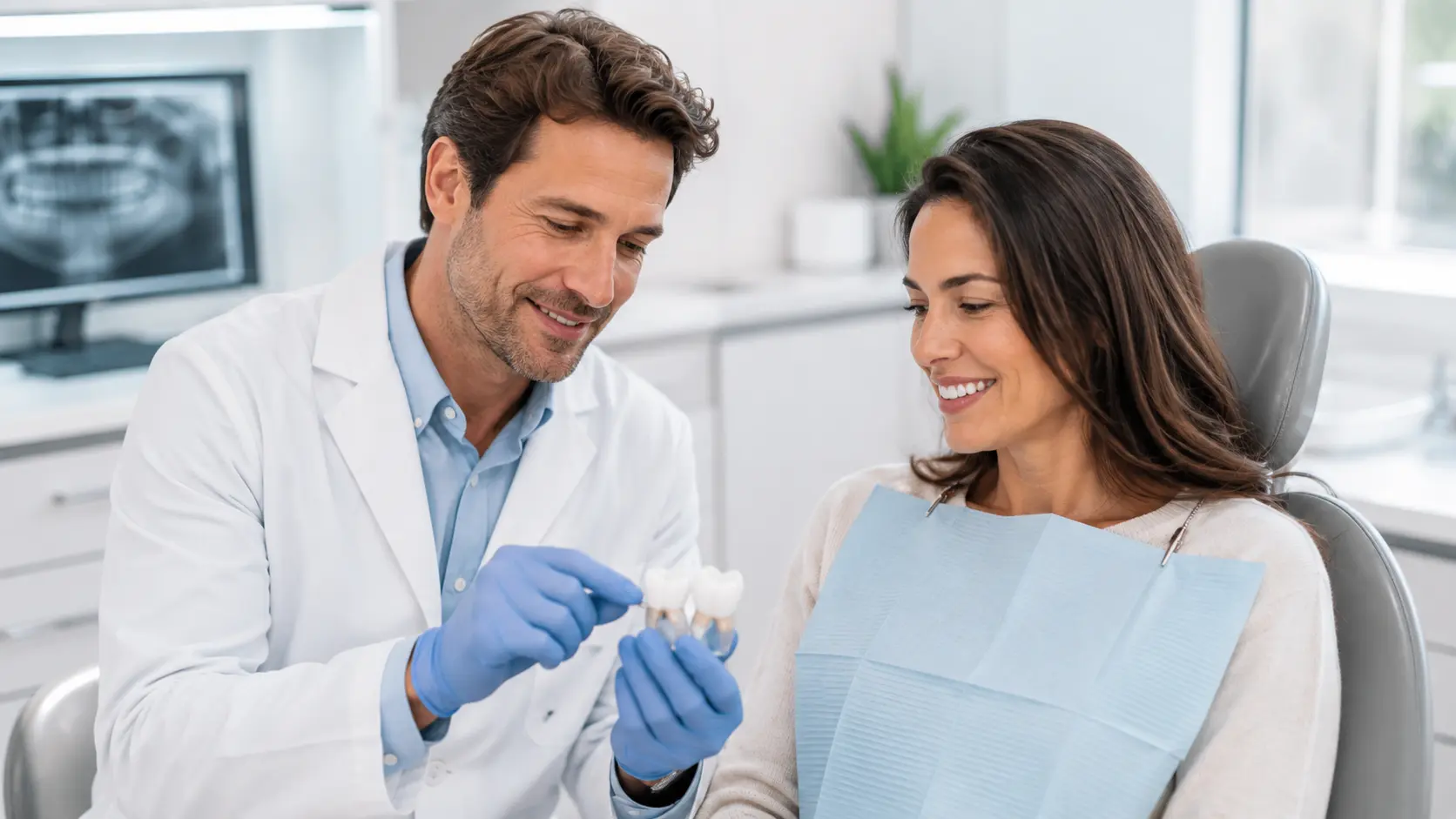
Cracked teeth do not always produce constant pain. Some patients notice discomfort when chewing, sensitivity to temperature or a sharp sensation that appears and disappears depending on how pressure reaches the tooth.
A crack can involve different depths and parts of the tooth, so treatment may range from restorative protection to endodontic treatment or, in more severe cases, removal of a tooth that cannot be predictably saved. The visible size of the crack does not tell the entire story.
A tooth that hurts only on release from biting or reacts unpredictably to temperature can deserve evaluation even when the pain is not constant.
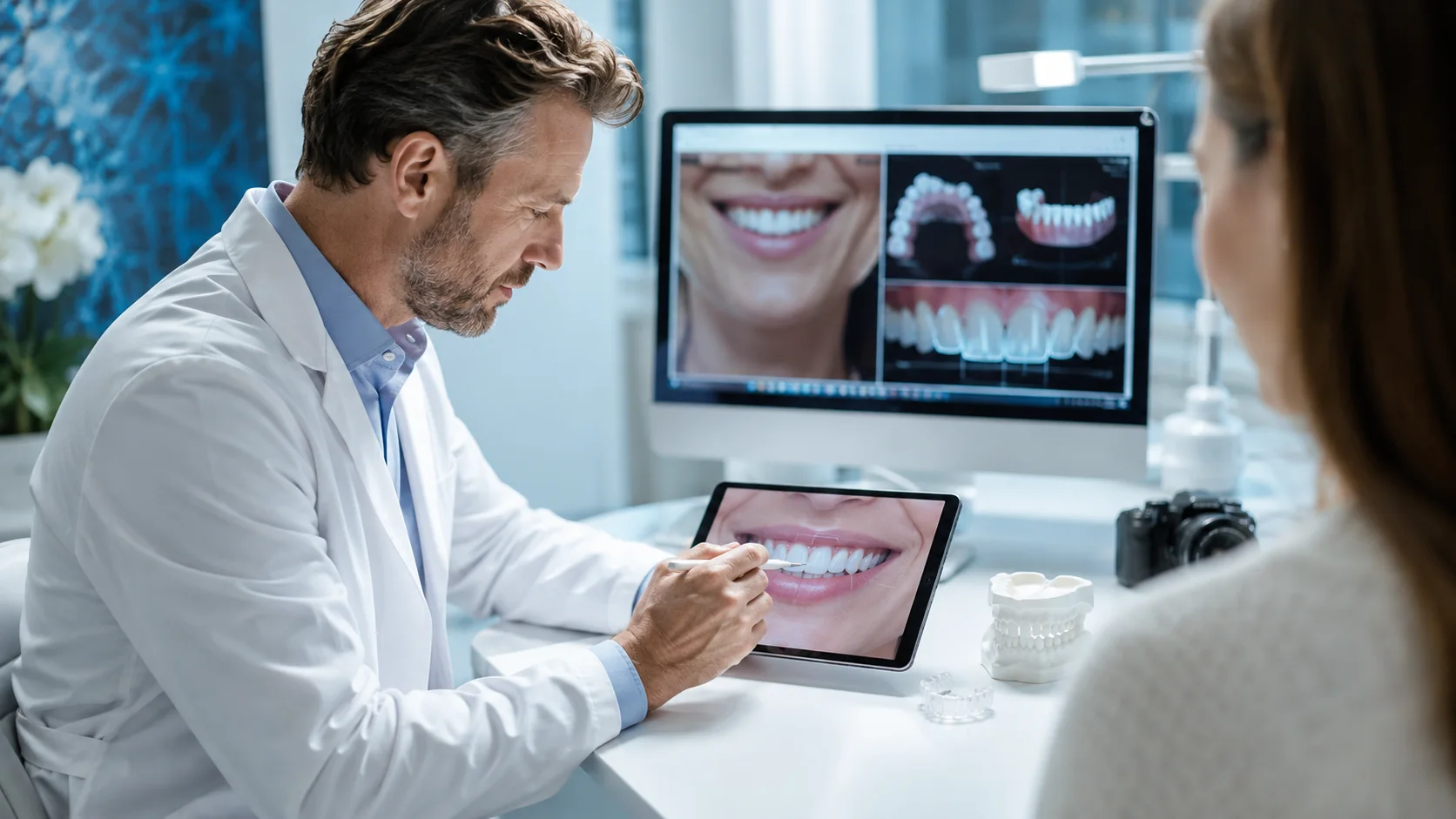
Dental pain can develop from several different problems, including decay, inflammation within the tooth, a crack, infection, trauma or a failing restoration. Two patients describing the same level of pain can therefore require completely different treatment.
Dr. Reeves needs to identify where the pain is coming from before deciding how to treat it. Pain relief matters, but identifying and treating the source is what allows the dental problem itself to be addressed.
Persistent or severe dental pain deserves prompt evaluation rather than repeatedly masking the symptoms while the underlying condition continues.
Swelling around a tooth or in the gum can be associated with a dental infection, although the cause and severity have to be determined clinically. Localized swelling and rapidly spreading facial swelling are not the same situation, which is why the location, progression and presence of other symptoms matter.
A localized dental abscess may require definitive dental treatment to address the source of infection. Increasing facial swelling, fever, significant malaise, difficulty swallowing or difficulty breathing can indicate a more serious situation and should not be managed by simply waiting for a routine dental appointment.
Rapid progression, difficulty breathing or swallowing, and significant systemic illness require a different level of urgency than a small localized area.
No. Antibiotics are not a substitute for treating the tooth that is causing the problem, and many common pulpal and localized dental conditions are managed with definitive dental treatment rather than antibiotics alone.
Antibiotics can become appropriate in selected situations, particularly when infection has produced systemic involvement such as fever or malaise. The decision should follow the diagnosis rather than the assumption that every painful tooth needs an antibiotic prescription.
The source of the infection still has to be addressed. Medication may support treatment in selected cases, but it does not replace definitive dental care.
A knocked-out permanent tooth is one of the dental emergencies where acting quickly can directly affect the opportunity to save the tooth. Immediate dental care offers the best opportunity for successful replantation, so this is not a situation to watch overnight.
Pick the tooth up by the crown, the part normally visible in the mouth, rather than the root. If it is dirty, gently rinse it with water without scrubbing or drying it, and keep it moist while seeking dental care immediately.
If possible, a permanent tooth may be gently repositioned in its socket without touching the root. If that cannot be done, place it in milk or an appropriate tooth-preservation solution and bring it with you.
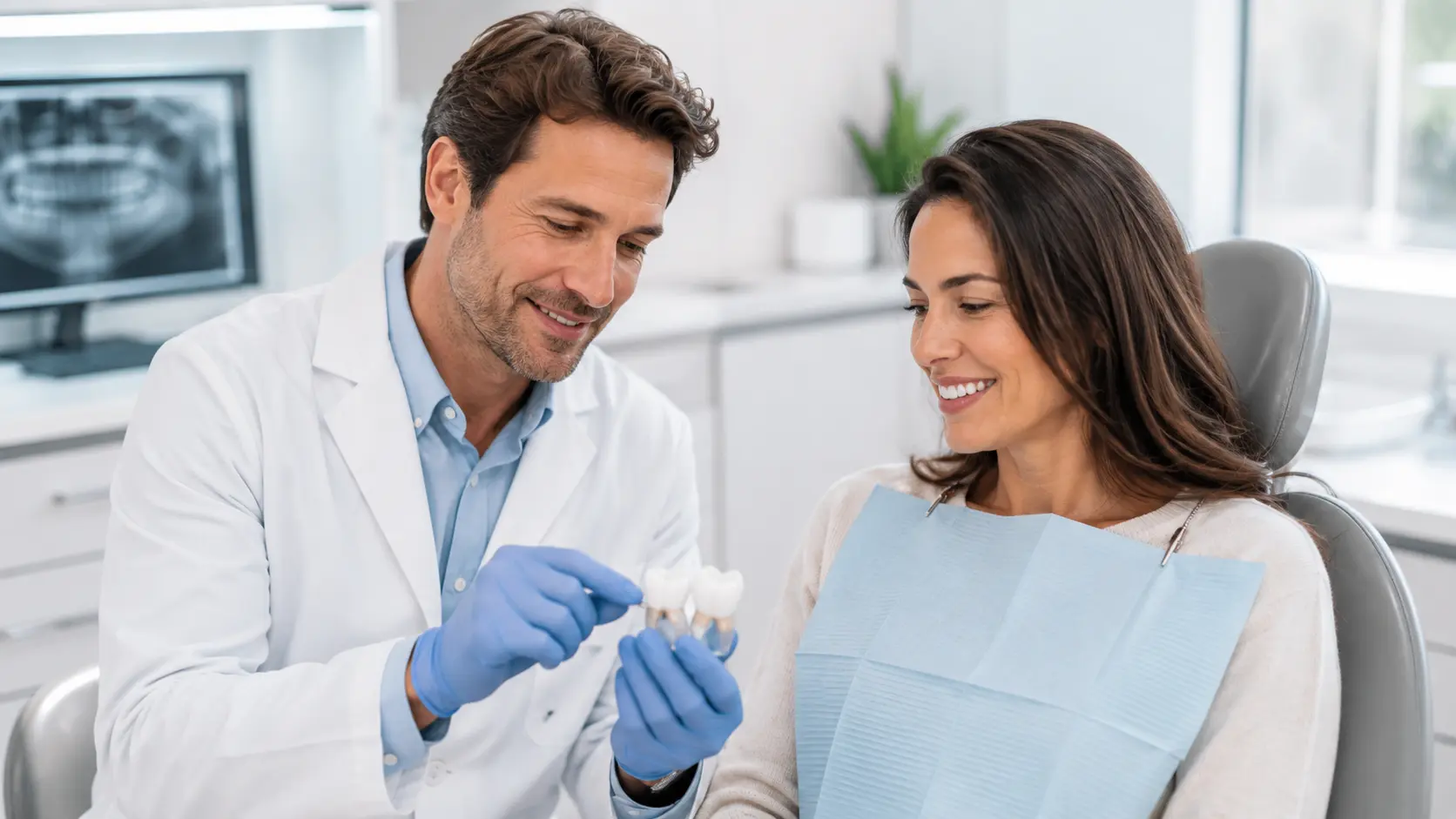
A primary tooth that has been completely knocked out should generally not be placed back into the socket. Replanting a baby tooth can damage the developing permanent tooth underneath it.
The child should still be evaluated because the injury may involve the surrounding tissues, neighboring teeth or underlying permanent teeth. The fact that the lost tooth was temporary does not mean the injury itself should be ignored.
The child’s age, the tooth involved and the surrounding injury all affect what the next step should be.
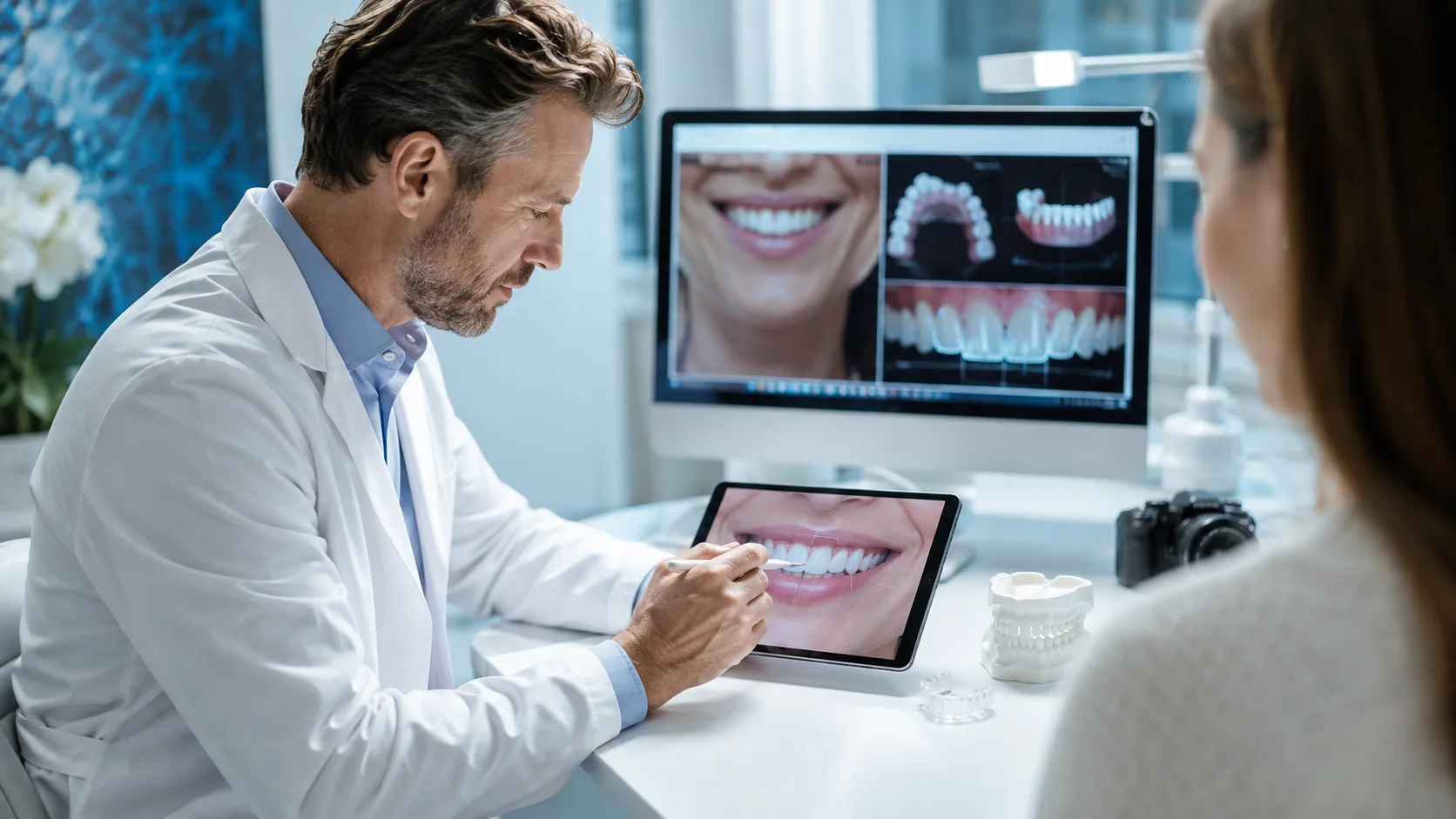
Dental trauma can push a tooth sideways, deeper into the socket or partially out of its normal position without knocking it out completely. These injuries deserve prompt evaluation because both the tooth and surrounding supporting tissues may have been damaged.
Treatment depends on the type of displacement, whether the tooth is permanent or developing and what has happened to the pulp and supporting structures. Do not try to force a significantly displaced tooth back into position without professional guidance.
A lost filling can expose tooth structure that was previously protected and may leave the tooth sensitive or vulnerable to additional fracture. The urgency depends on the amount of tooth remaining, discomfort and why the restoration failed.
Dr. Reeves can evaluate whether the tooth simply needs another direct restoration or whether the underlying problem has become larger. Replacing the missing filling should follow the current condition of the tooth rather than assuming the previous treatment is automatically still the right treatment.
A replacement filling can be appropriate when enough healthy tooth remains, while a larger structural problem may require broader restoration.
A crown can become loose or separate from the tooth for several reasons, including changes in the cement, the tooth underneath or the restoration itself. Keep the crown if you still have it and contact the dental office so the tooth can be evaluated.
The crown may sometimes be reusable, while another situation may require repair or a new restoration. Do not assume that putting the old crown back on is the complete solution until Dr. Reeves understands why it came off.
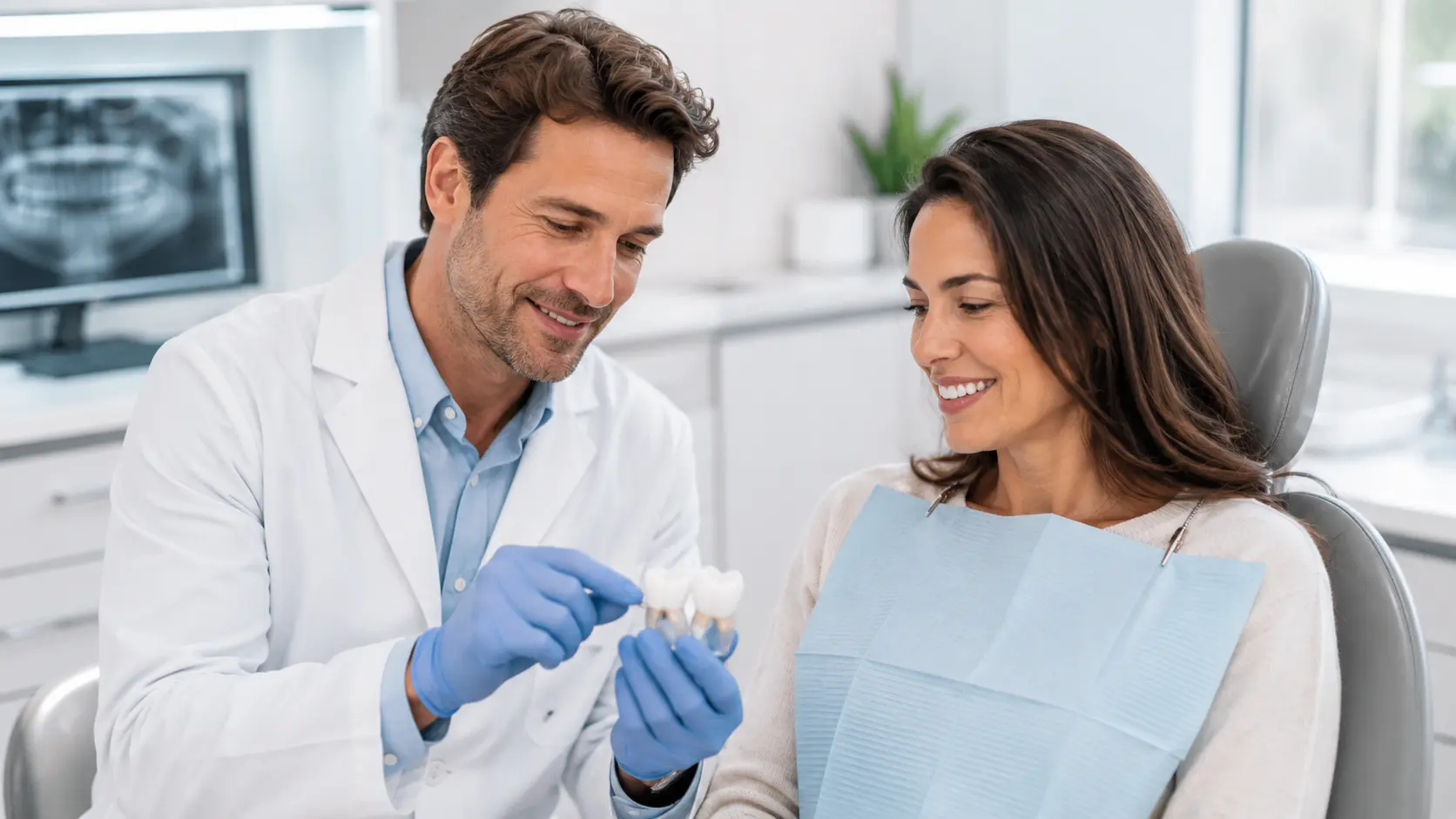
Front-tooth trauma can affect appearance immediately, but the first concern is still the condition of the tooth. Dr. Reeves needs to determine how much structure was lost, whether the pulp has been affected and whether the root or surrounding bone sustained injury.
Selected smaller fractures can sometimes be restored with tooth-colored composite, while more extensive damage can require a crown or endodontic treatment. The cosmetic result matters, but it has to be built on an appropriate diagnosis first.
Restoring a visible tooth means considering both the biological injury and the shape, color and contour of the final restoration.

Sometimes the immediate priority is controlling pain, stabilizing a damaged tooth or addressing active infection. Definitive restorative treatment may be completed at the same visit in selected situations, while other problems require a second stage after the emergency has been stabilized.
That distinction prevents urgency from turning into rushed restorative planning. The first appointment should accomplish what the tooth needs now while preserving the ability to make an appropriate long-term decision afterward.
Modern restorative and endodontic treatment can save many teeth that are painful, fractured or injured. Whether the tooth can be predictably maintained depends on the fracture pattern, remaining structure, periodontal support, pulp condition and other clinical findings.
A severely compromised tooth may sometimes require extraction, but that decision should follow an evaluation of whether the tooth remains restorable. The emergency is the reason to evaluate the tooth quickly, not a reason to assume the most aggressive treatment is necessary.
The decision to save or remove a tooth should be based on restorability and prognosis rather than urgency alone.
The pulp contains the soft tissue, nerves and blood vessels inside the tooth. Deep decay, fractures and traumatic injuries can damage that tissue enough that endodontic treatment becomes part of saving the tooth.
Dr. Reeves can evaluate the tooth and determine whether restorative care alone is enough or whether root canal treatment or specialist endodontic evaluation is appropriate. Referral is part of comprehensive care when the tooth needs expertise beyond the treatment being provided in the general dental office.
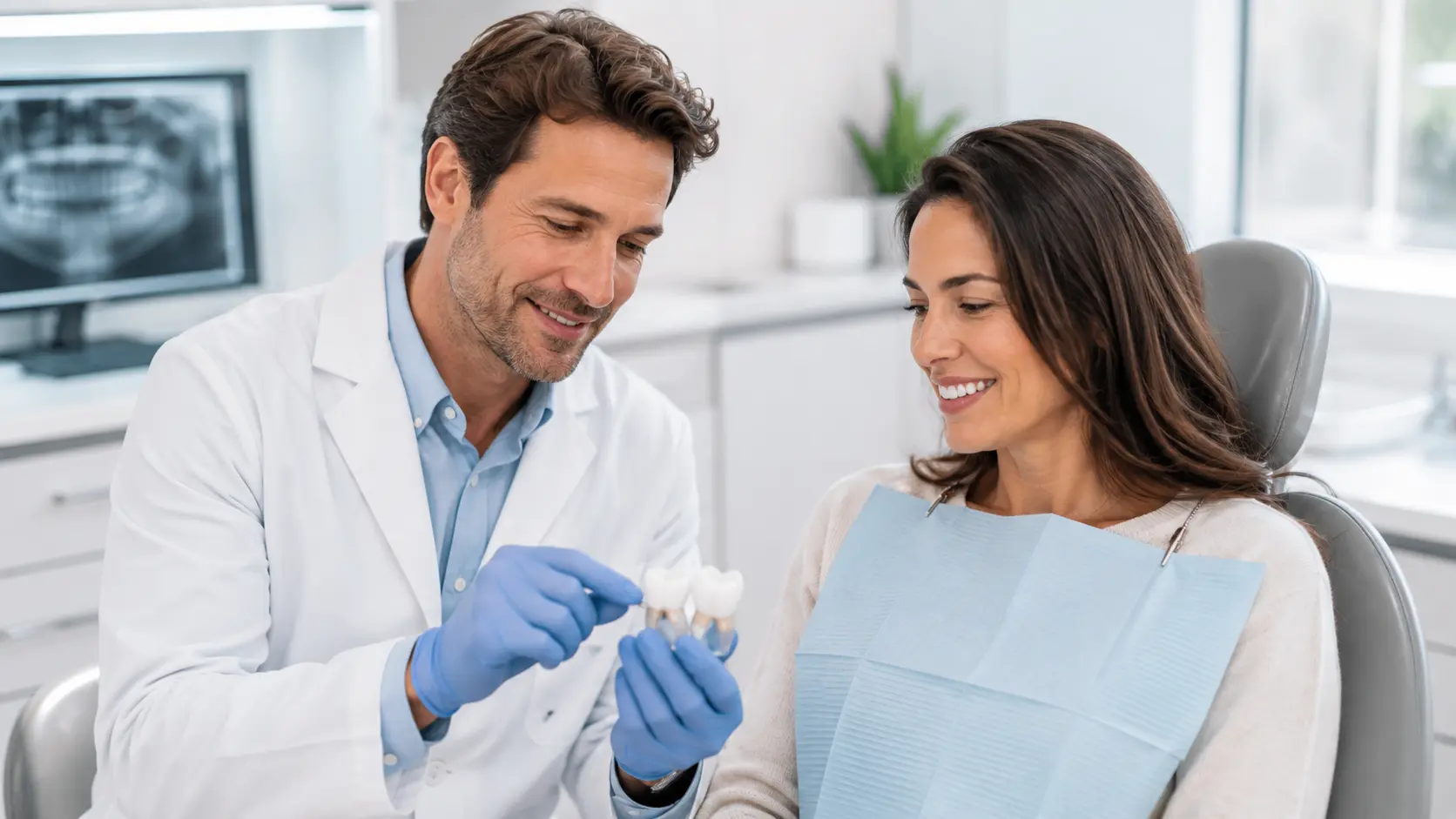
After an accident, one chipped or displaced tooth may naturally attract all of the attention. Neighboring teeth, supporting tissues and facial structures can also be injured even when the damage is not immediately obvious.
Prompt examination after traumatic dental injuries matters because additional damage may only become apparent through a thorough dental evaluation. Treating the visible fracture without evaluating the surrounding area can miss an important part of the injury.
Trauma can affect neighboring teeth, soft tissues, bone and the bite. The examination should consider the entire injured area.
Simple first-aid steps can protect the injured area while you arrange care. The right action depends on the type of emergency, so avoid forcing a tooth or restoration into place when you are unsure what has happened.
Rinse gently with warm water and use a cold compress outside the face if swelling develops. Keep any tooth fragments you can find and bring them with you for evaluation.
Handle the tooth only by the crown and keep it moist while seeking care immediately. Do not scrub the root or allow the tooth to dry out.
Gently rinse the mouth and carefully clean between the teeth if food may be trapped in the area. Do not place aspirin directly on the tooth or gum tissue because it can injure the soft tissue.
Contact a dentist promptly when swelling appears around a tooth or gum. Seek emergency medical attention when swelling is rapidly spreading or is accompanied by difficulty breathing or swallowing.
Gently clean an injured lip or tongue with water and use a cold compress for swelling. Persistent or uncontrolled bleeding requires urgent medical attention.

Dr. Todd Reeves established the Greystone practice in 1997 after earning his dental degree from UAB in 1995 and graduating second in his class. Decades of comprehensive and restorative care give him a broad clinical perspective when an urgent problem has to be considered alongside the patient’s existing dentistry.

Dr. Coleman Reeves earned his dental degree from UAB and has a restorative focus that includes crowns, implants and more comprehensive restorative treatment. That background becomes especially relevant when a broken or damaged tooth needs to move from emergency stabilization into a longer-term restorative plan.
A dental emergency can be the first appointment at Reeves or a sudden change in a patient the doctors already know. Either way, the diagnosis determines what happens next.
A toothache does not automatically mean a root canal, and a broken tooth does not automatically mean a crown. Dr. Reeves can first determine what structure has been affected and what is actually causing the symptoms.
Fractures can range from minor chips to damage extending into the pulp or root. The treatment plan should reflect the depth and location of that injury rather than simply the fact that the tooth broke.
Direct composite fillings, crowns and broader restorative treatment can all become relevant after an emergency. The right option depends on how much healthy tooth remains and what the tooth needs to function again.
Dr. Todd Reeves and Dr. Coleman Reeves both provide care within the Greystone practice. Urgent evaluation therefore exists within the same practice that can address broader restorative needs.
Traumatic injuries, difficult endodontic problems, major facial trauma or other complex conditions can require specialist or hospital care. Referral allows the part of the problem requiring additional expertise to be treated by the appropriate clinician.
Dr. Todd Reeves established the practice in Greystone in 1997. Patients with urgent problems can receive evaluation within a practice built around comprehensive dental care rather than a stand-alone emergency clinic.
The cost of an emergency dental visit depends heavily on what happened and what care is required. An examination of a small chip, treatment of a fractured crown and management of an infected tooth can involve very different procedures.
The emergency evaluation helps establish the diagnosis before a meaningful treatment estimate can be provided. A useful financial conversation should separate the cost of evaluating the problem from whatever definitive treatment the tooth may ultimately require.
Dental-benefit coverage varies by plan and procedure. Current CareCredit availability and terms can be confirmed directly with our office.
Reeves Cosmetic Dentistry is located at 8040 Hugh Daniel Drive in Birmingham, Alabama 35242, in the Greystone area near the Highway 280 corridor. The office is open Monday through Thursday from 8:00 AM to 5:00 PM and can be reached at (205) 991-9997.
If you have a broken tooth, significant dental pain, swelling or another urgent concern, call the office and describe what happened. You do not need to determine the treatment yourself before contacting Reeves because the first step is deciding what the problem is and how urgently it needs to be addressed.
For a potentially life-threatening emergency, including difficulty breathing or swallowing, uncontrolled bleeding or major facial trauma, call 911 or seek emergency medical care rather than waiting for a dental office visit.
8040 Hugh Daniel Drive
Birmingham, AL 35242
(205) 991-9997
Monday–Thursday, 8:00 AM–5:00 PM
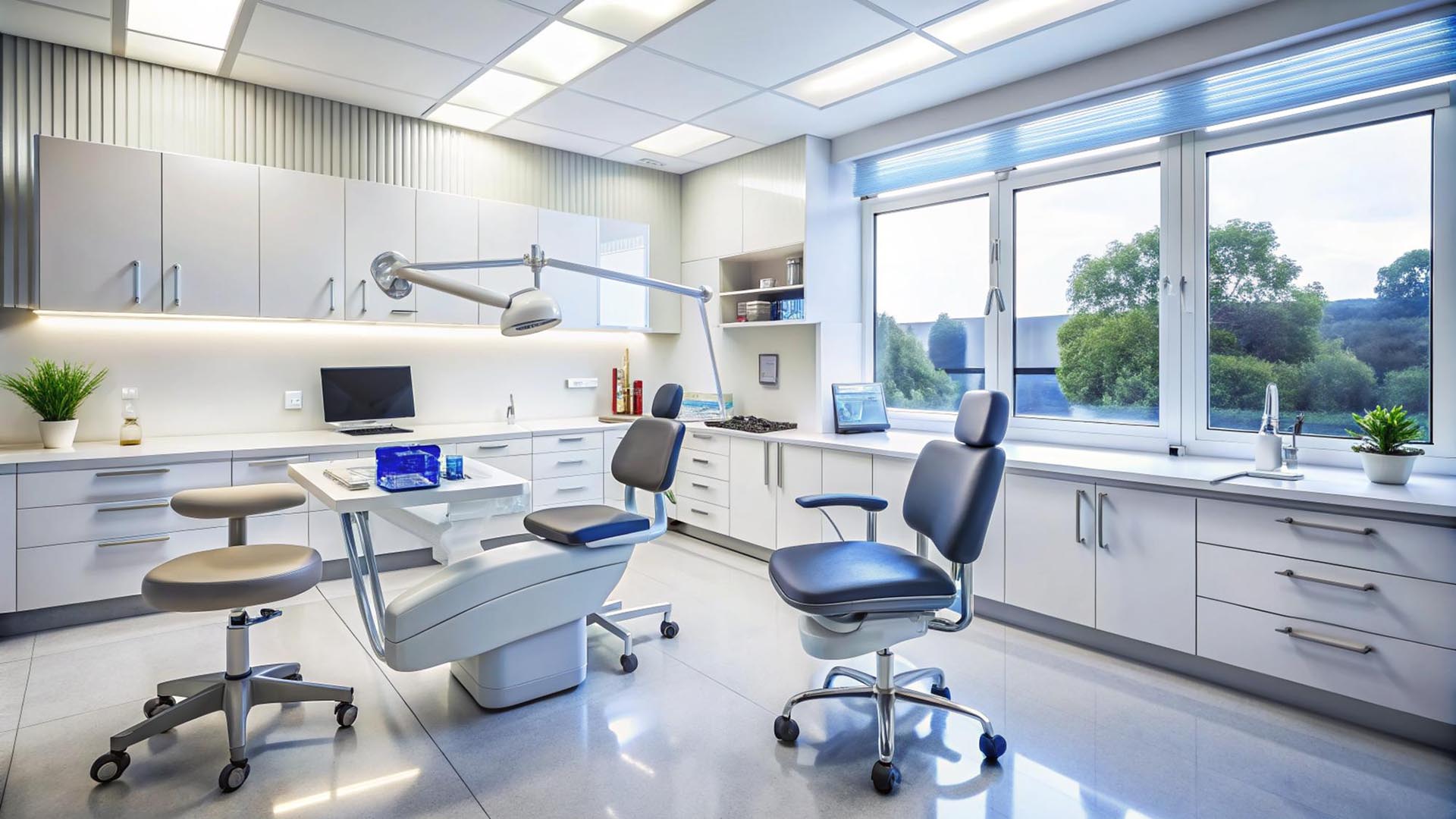
Severe tooth pain, dental infection, painful fractures and traumatic dental injuries can all require urgent dental evaluation. The urgency depends on the severity of the symptoms and whether the problem threatens the tooth, surrounding tissues or the patient's general health.
Contact a dentist so the source of the pain can be evaluated rather than relying only on temporary symptom relief. Persistent or severe dental pain can result from several different conditions, and the correct treatment depends on the diagnosis.
A painful or significantly fractured tooth deserves prompt evaluation, particularly if deeper tooth structure is exposed or the fracture causes soft-tissue injury. A very small chip without pain may be less urgent, but it should still be examined because the visible damage does not always reveal the full extent of the injury.
Rinse the mouth gently with warm water and apply a cold compress outside the face if swelling occurs. Save any tooth fragments you can find and bring them to the dental appointment.
Many fractured teeth can be restored, but the answer depends on how deeply the tooth is damaged and how much healthy structure remains. Treatment may involve bonding, a filling, a crown, root canal treatment or another approach depending on the fracture.
A minor chip without pain may not have the same urgency as a severe fracture. The tooth should still be evaluated to determine whether the damage is limited to enamel or extends deeper.
Handle it only by the crown, gently rinse it if dirty without scrubbing the root and keep the tooth moist. Seek dental care immediately because prompt treatment gives the best opportunity to save a knocked-out permanent tooth.
Milk can be used to keep a permanent tooth moist if the tooth cannot be safely repositioned in its socket. A tooth-preservation solution is another option, and dental treatment should be sought immediately.
No. A knocked-out primary tooth generally should not be replanted because doing so can damage the developing permanent tooth beneath it.
Contact a dentist promptly because displaced teeth can have injuries to the pulp and supporting tissues even when they remain in the mouth. Treatment depends on the type and severity of the displacement.
Swelling around a tooth or gum deserves prompt evaluation because it can be associated with infection. Rapidly spreading swelling, difficulty breathing or difficulty swallowing can represent a medical emergency and requires immediate hospital-level care.
Seek emergency medical care for difficulty breathing or swallowing, uncontrolled bleeding, major facial trauma or swelling that may threaten the airway. Most tooth-specific problems still require dental follow-up once immediate medical danger has been addressed.
Not every dental abscess or toothache requires antibiotics. Definitive dental treatment is often the priority for localized dental infections, while antibiotics can become more appropriate when systemic involvement such as fever or malaise is present.
Antibiotics can be important in selected infections, but they do not correct the underlying structural or pulpal problem inside a tooth. Definitive dental treatment may still be required to address the source.
Keep the crown if you can locate it and contact the dental office for evaluation. Dr. Reeves needs to determine why it came off and whether the restoration or underlying tooth requires additional treatment.
A missing filling can expose tooth structure and may cause sensitivity or allow further damage. Contact the office so the tooth can be evaluated and the appropriate restoration can be determined.
Yes, particularly when a fracture damages or exposes the dental pulp. The need for root canal treatment depends on the depth of the injury and condition of the tissue inside the tooth.
No. Some smaller fractures can be treated with direct restorative material, while more heavily damaged teeth may require broader protection.
No. Many injured or infected teeth can be treated and maintained, depending on the amount of remaining structure, root condition, periodontal support and type of damage.
Yes. Referral can become appropriate when a dental problem requires specialist endodontic, periodontal, surgical or other care, allowing the complex portion of treatment to be handled by the clinician best suited to it.
Yes. Problems involving the pulp, root, cracks or infection may produce significant symptoms without an obvious visible defect.
Yes. A traumatic injury can affect more than the tooth that looks visibly damaged, which is one reason a complete examination after dental trauma is important.
No. Aspirin should not be placed directly on the tooth or gum tissue because it can injure the soft tissues.
Reeves provides dental care for both children and adults. The treatment of a child's dental injury still depends on whether the affected tooth is primary or permanent and how the developing structures have been affected.
Yes. Reeves has cared for urgent dental problems involving both children and adults, and emergency evaluation is part of the practice's broader family and restorative care.
Reeves is not presented as a 24-hour emergency dental office. During a life-threatening emergency, call 911 or seek care at the nearest emergency department.
Reeves Cosmetic Dentistry is located at 8040 Hugh Daniel Drive in Birmingham, AL 35242, in the Greystone area. The office can be reached at (205) 991-9997.
Maybe a tooth broke during dinner, pain kept you awake last night or swelling appeared where nothing seemed wrong a few days ago. You may also have lost a crown, damaged a front tooth or simply know that something feels different enough that waiting does not seem reasonable.
You do not have to decide whether you need a crown, filling, root canal or extraction before you call. Dr. Todd Reeves or Dr. Coleman Reeves can first determine what happened, what needs attention now and what longer-term treatment is appropriate.
Urgency should make the evaluation happen sooner, not make the treatment less thoughtful. Treat the immediate problem first, then rebuild the tooth according to what remains.
Call the Greystone office or request an appointment online.

Personalized cosmetic, restorative, implant and family dentistry in Greystone, Birmingham, Alabama.
Copyright © 2027 All Rights Reserved.