
Greystone, Birmingham•Serving patients since 1997

ClearCorrect uses a sequence of removable, transparent aligners to guide selected teeth toward planned positions over time. The trays are made specifically for your teeth, and Dr. Reeves manages the treatment from evaluation through follow-up.
The important question is not simply whether clear aligners can move teeth.
It is whether they make sense for your particular case.
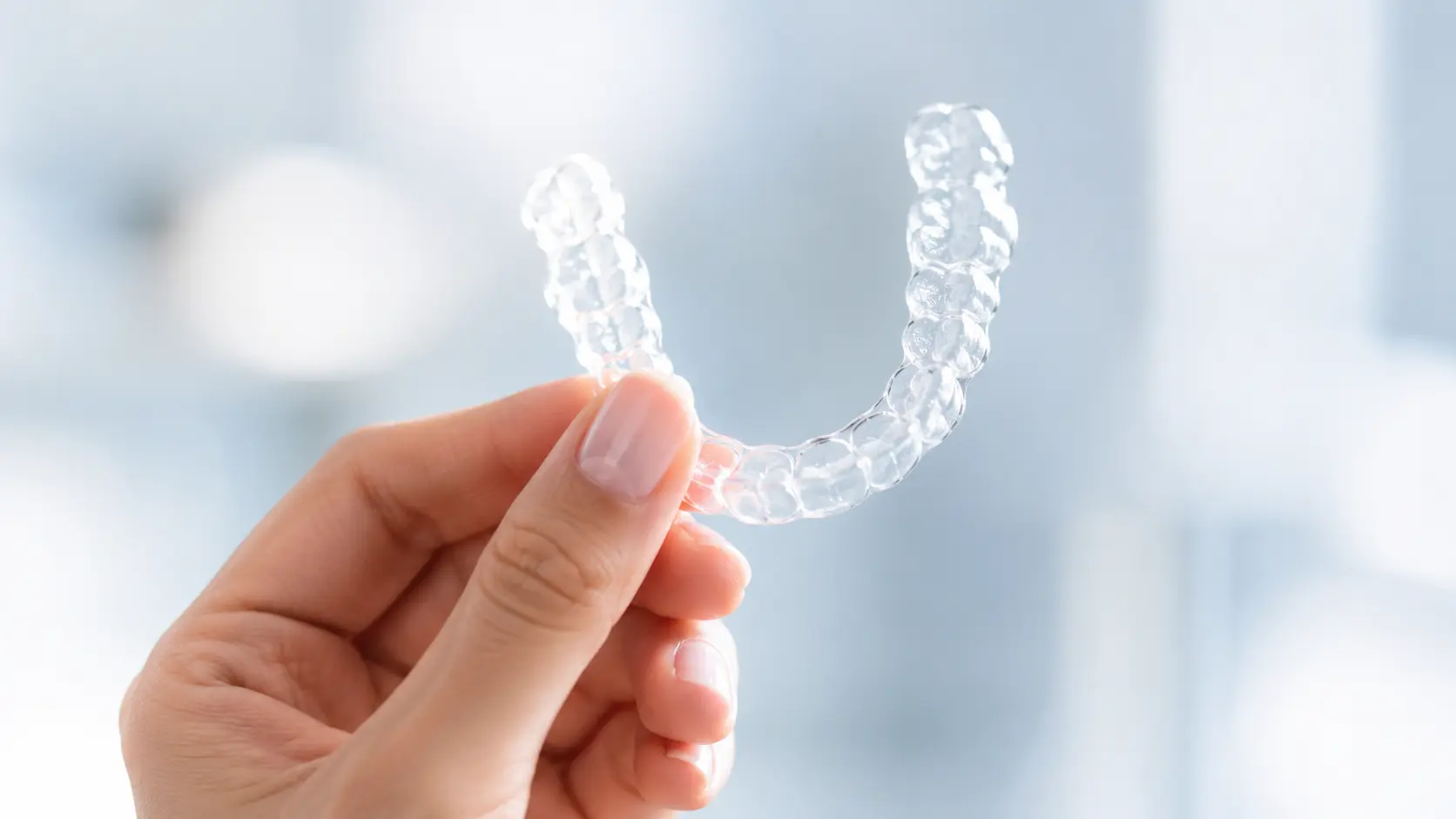
Dr. Reeves evaluates the movement required before recommending an aligner plan.

Clear aligners are easy to understand from the outside: clear trays, no visible brackets, removable when needed.
The planning underneath them is more important.
Every tooth does not move equally easily. Crowding differs from spacing. Rotating a tooth is different from tipping it. Bite relationships, available space, previous dental work and the health of the teeth and gums can all affect whether ClearCorrect is a sensible option.
That is why treatment begins with an examination rather than a promise.
Dr. Reeves looks at what needs to move, how much movement is being requested and whether clear aligner treatment can reasonably accomplish the goal.
ClearCorrect treatment uses a sequence of clear appliances shaped around the teeth. Each stage is designed to apply controlled pressure that contributes to planned tooth movement.
The trays can be removed for meals and normal brushing and flossing. ClearCorrect recommends removing aligners for food and beverages other than water.
ClearCorrect’s current aligners use ClearQuartz material and a high, flat trimline designed around force delivery and tooth control.
ClearCorrect manufactures the aligners according to that prescription. The aligner system supports the plan; it does not replace clinical judgment.
ClearCorrect has been used clinically for many types of tooth movement. That does not mean every alignment or bite problem should be treated with clear aligners—or that Reeves treats every condition shown in ClearCorrect’s broader case library.
Common reasons Dr. Reeves may evaluate someone for ClearCorrect include:
Small or moderate spaces can sometimes be reduced by gradually moving neighboring teeth into better positions.
When teeth overlap or lack enough room, aligner treatment may be considered depending on the degree of crowding, tooth position and available space.
Certain teeth that have turned or tilted out of position may respond to aligner-guided movement.
Moving a tooth into a better position can sometimes improve the foundation for veneers, bonding, crowns or other restorative treatment.
ClearCorrect has documented treatment involving several types of bite relationships. Those examples show what the system can be used for clinically; they are not a promise that every such case is appropriate for treatment at Reeves.
ClearCorrect itself notes that some cases remain better suited to traditional braces or combined techniques.
If Dr. Reeves believes the amount or type of movement you need is outside the appropriate scope for clear aligner treatment in this office, the conversation should change—not the diagnosis.
Clear aligners appeal to many adults because the treatment hardware is considerably less noticeable than traditional brackets and wires. But appearance is only one advantage.
The trays come out when you eat, so there are not brackets and wires around which food has to be navigated.
Because the aligners are removable, routine brushing and flossing can continue without cleaning around fixed brackets.
ClearCorrect trays are transparent and shaped closely around the teeth, making them less conspicuous during everyday conversation.
Each set represents another part of the planned movement rather than attempting to move everything at once.
ClearCorrect advises that successful treatment depends heavily on consistent wear. Removable does not mean optional.
A tooth can look crooked for several reasons.
It may be rotated. There may not be enough room for it. Its neighboring teeth may be contributing to the problem. The bite may place forces on it that are not obvious when you simply look at a photograph.
Moving the visible tooth without understanding those relationships can miss the real problem.
Dr. Reeves evaluates the teeth as part of the complete smile—not simply the one spot you would like to look straighter.
Sometimes that leads to ClearCorrect. Sometimes it leads to a different conversation.
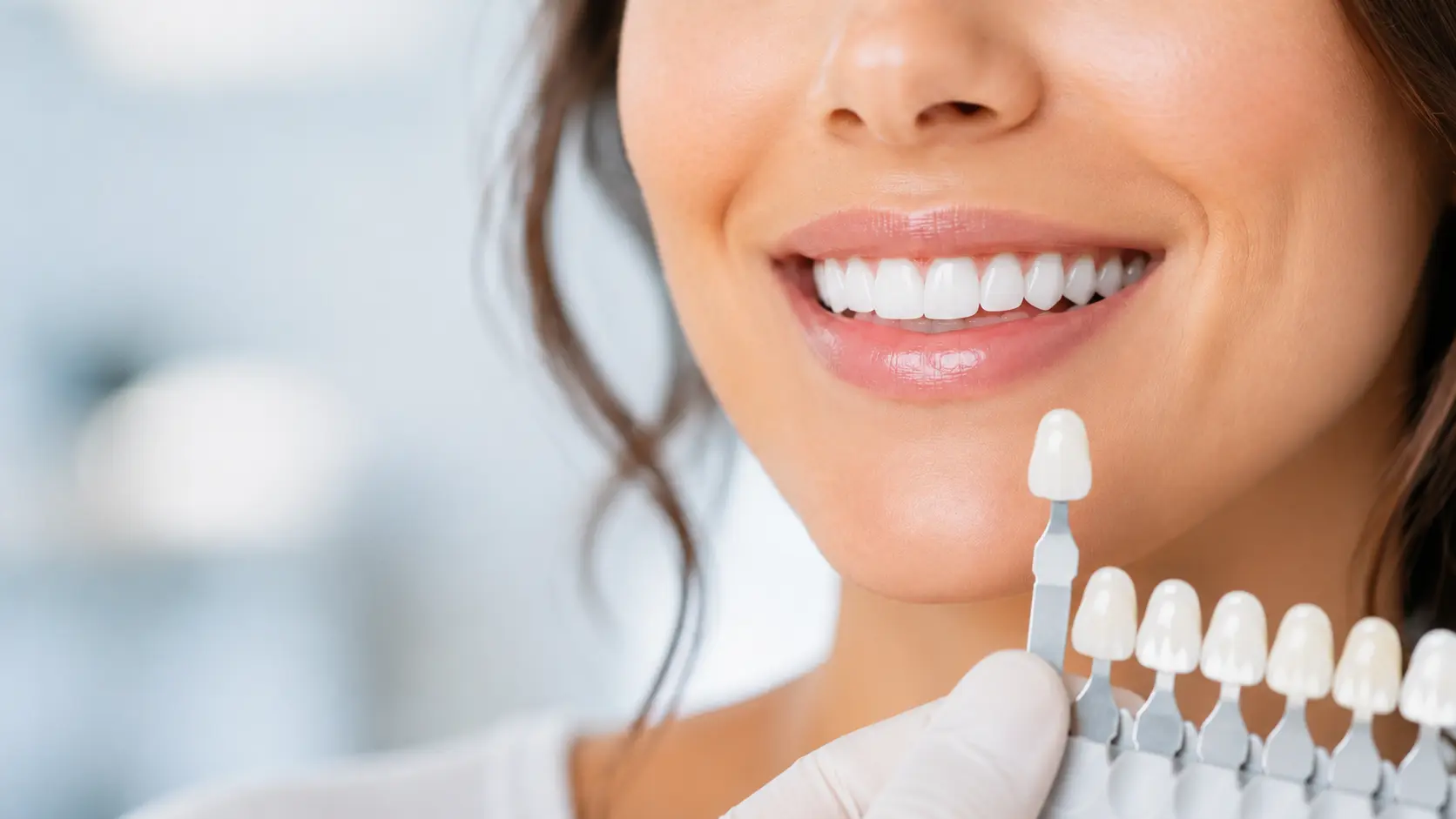
Suppose a front tooth sits farther inward than the teeth beside it.
A veneer might visually change its position, but doing so could require more restorative alteration than necessary. Moving the tooth first may create a much better starting point.
The same principle can apply when spacing, rotations or crowding are part of a larger cosmetic plan.
ClearCorrect may be used before porcelain veneers, cosmetic bonding, crowns, whitening and final shade selection, or a more comprehensive smile makeover.
Not: “How can we make this tooth look straight?”
Better: “Should this tooth be moved before we change anything else?”
You may be concerned about one rotated tooth, a small space or the overall way the front teeth line up. Start there.
Dr. Reeves examines tooth position, spacing, crowding, bite relationships, gums, existing dental work and general oral health.
Not every tooth movement has the same level of predictability or difficulty. Dr. Reeves determines whether ClearCorrect is appropriate for the movements being requested.
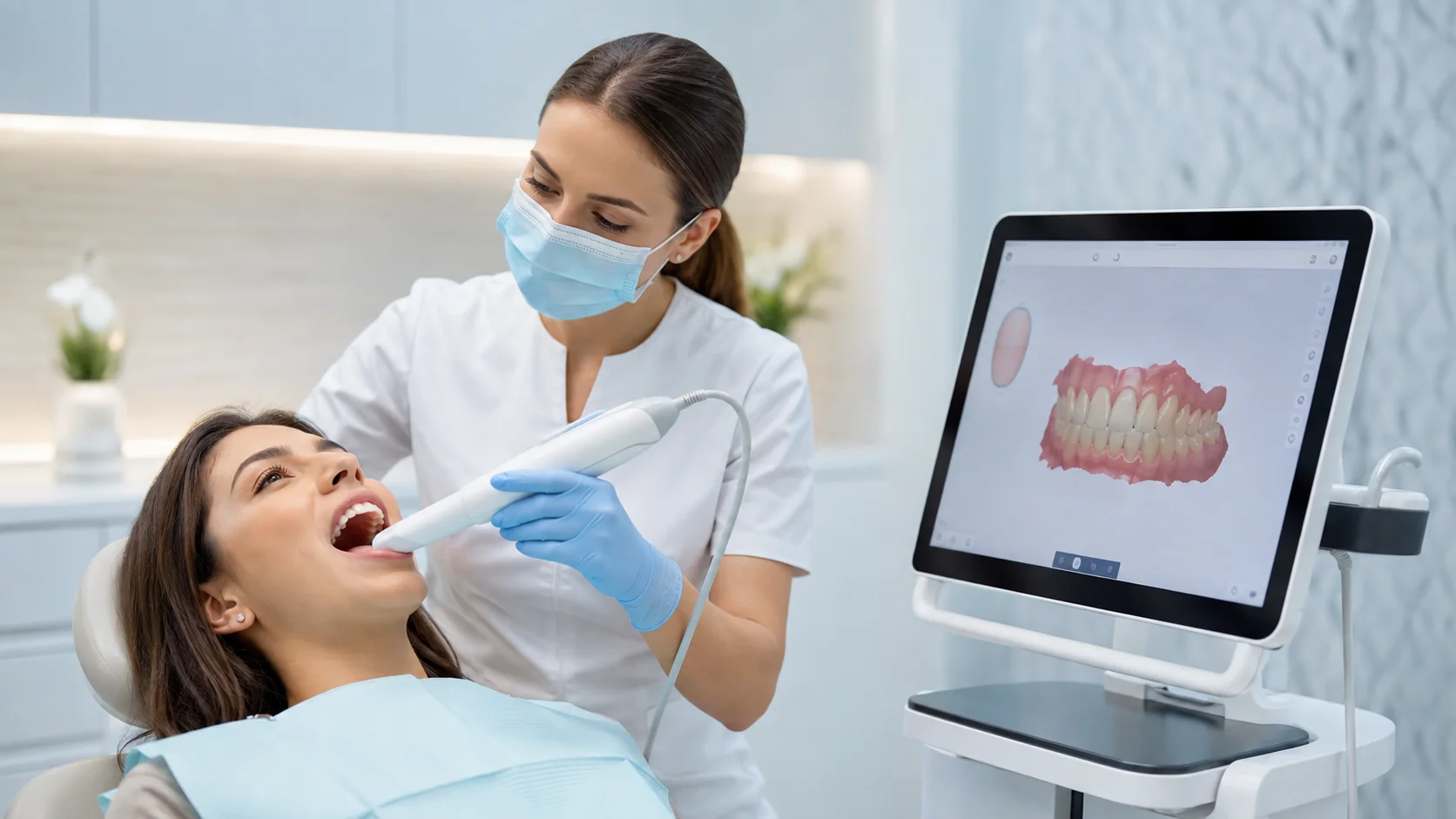
Digital records are used to develop the prescribed sequence of tooth movement. Depending on the case, treatment may involve tooth-colored attachments or creating small amounts of space between selected teeth.
You move through the prescribed aligner sequence while Dr. Reeves monitors how the teeth are responding.
Once active movement is complete, retention is generally needed to help maintain the new tooth positions. Retainers may need to be worn for an extended period after treatment.
ClearCorrect moves teeth.
It does not whiten enamel. It does not rebuild a chipped edge. It does not replace missing tooth structure. It does not change an old crown simply because its color no longer matches.
This becomes important when several cosmetic concerns exist at the same time.
A patient may benefit from clear aligners to improve tooth position and then whitening to address color. Someone else may need movement followed by bonding or porcelain veneers to refine shape or repair damaged tooth structure.
Dr. Reeves can separate the problems that require movement from the ones that require something else.
That prevents clear aligner treatment from being asked to solve a problem it was never designed to solve.
There is no universal ClearCorrect timeline.
A limited alignment concern involving a small amount of movement is different from a case involving multiple rotations, crowding or bite changes.
The total time depends on the teeth being moved, how far they need to move, the complexity of those movements, the number of aligner stages, how consistently the trays are worn and whether additional refinement is needed.
ClearCorrect publishes cases ranging widely in treatment time, which is exactly why a case-specific estimate is more useful than advertising a single number.
Once Dr. Reeves has evaluated your teeth and treatment goals, the proposed plan can give you a much more meaningful timeline.
ClearCorrect treatment is customized to the case, so there is not one useful fee that applies to everyone.
A small alignment correction may require a different number of aligners and appointments than a more involved case.
Cost can be influenced by the extent of treatment, number of aligner stages, additional clinical procedures that may be required and whether refinement is necessary.
Following the examination and treatment-planning process, the Reeves team can explain the recommended treatment and associated fees.
That is the point at which the number actually means something.
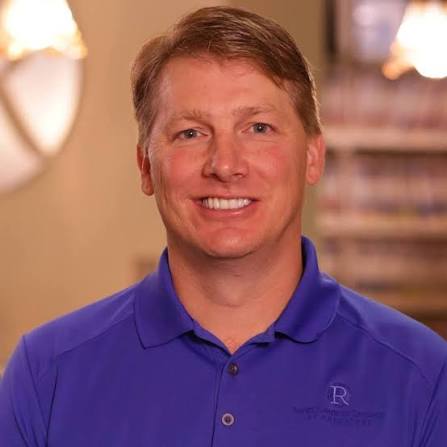
Dr. Todd Reeves established the Greystone practice in 1997 after earning his dental degree from UAB. His continuing education has included cosmetic training through the Las Vegas Institute.
ClearCorrect fits naturally into that broader approach because alignment can affect far more than the appearance of a single tooth.
Dr. Reeves can consider tooth movement alongside whitening, bonding, veneers, crowns and the overall condition of your teeth rather than treating alignment as an isolated cosmetic problem.
The practice’s ClearCorrect care is built around Dr. Reeves assessing candidates and monitoring progress throughout treatment.
Being interested in ClearCorrect does not automatically make it the right treatment. Dr. Reeves evaluates the movement required before recommending an aligner plan.
If alignment is only one part of the concern, it can be coordinated with whitening, veneers, bonding or restorative care.
Dr. Reeves established the practice in 1997, giving Reeves Cosmetic Dentistry longstanding roots in the Birmingham community.
ClearCorrect aligners are manufactured from Dr. Reeves’ prescription, while the clinical decisions and ongoing management remain with the practice.
Reeves Cosmetic Dentistry is located at 8040 Hugh Daniel Drive, in Birmingham’s Greystone area near the Highway 280 corridor.
If you have been researching ClearCorrect in Birmingham because something about the spacing or position of your teeth bothers you, you do not need to diagnose the problem first.
Show Dr. Reeves what you notice.
He can determine whether the movement is appropriate for clear aligner treatment and explain what the plan would involve.
8040 Hugh Daniel Drive
Birmingham, AL 35242
(205) 991-9997
Free parking is available directly in front of the office.
Answers about candidacy, wear, attachments, timing, cost and how ClearCorrect fits into broader cosmetic planning.
ClearCorrect is a clear aligner system that uses a sequence of removable trays prescribed to gradually move selected teeth. The aligners are manufactured from the treatment plan prescribed by the treating clinician.
ClearCorrect has been used for cases involving crowding, spacing, rotations and selected bite relationships. That does not mean every such case is appropriate for aligner treatment with Reeves. Dr. Reeves first evaluates the amount and type of movement required before recommending treatment.
Possibly in some circumstances, but “severely crooked” is too broad to answer online. Complexity depends on which teeth are involved, the available space, roots, bite relationships and the movements required. Some cases remain better suited to braces or combined techniques.
Both are brands of clear aligner treatment, but they are separate systems made by different companies. Reeves uses ClearCorrect, so this page stays focused on the system Dr. Reeves provides.
Yes. The trays are removable for meals, brushing and flossing. ClearCorrect recommends removing them for eating and for beverages other than water.
ClearCorrect’s patient guidance commonly recommends approximately 22 hours per day. Dr. Reeves will give you the wear instructions for your specific treatment.
New trays may produce temporary pressure or soreness as the teeth respond to a new stage of movement. Discomfort is commonly most noticeable for a brief period after a new aligner is started.
Some treatment plans use small tooth-colored attachments or other auxiliaries to help produce particular movements. Their use depends on the case rather than being required for every ClearCorrect patient.
Yes. Tooth movement can sometimes create a better starting position before veneers, bonding, crowns or other cosmetic treatment. Whether that sequence is useful depends on the individual smile and treatment goals.
Treatment length varies with the amount and complexity of tooth movement and how consistently the aligners are worn. Dr. Reeves can provide a more meaningful estimate after evaluating the case.
The fee depends on the treatment prescribed rather than a universal ClearCorrect price. After the examination and treatment planning, the Reeves team can explain the recommended treatment and associated cost.
Call (205) 991-9997 or request a consultation online. Dr. Reeves can evaluate the tooth movement you want to address and determine whether ClearCorrect is an appropriate option.
You may already know exactly which tooth bothers you.
Or you may simply feel that your front teeth look crowded, uneven or more spaced than you would like.
You do not need to know whether ClearCorrect can fix it before you come in.
That is what the evaluation is for.
Dr. Reeves can look at the teeth, the bite and the amount of movement involved, then explain whether clear aligners make sense—and what the alternatives are if they do not.
Request a ClearCorrect consultation online or call the Greystone office directly.

Personalized cosmetic, restorative, implant and family dentistry in Greystone, Birmingham, Alabama.
Copyright © 2027 All Rights Reserved.