
Greystone, Birmingham•Serving patients since 1997

A dental examination should look beyond cavities, fillings and gum health. The lips, tongue, cheeks, floor of the mouth, palate, throat and surrounding tissues can also show changes that deserve attention.
Oral cancer screening is part of preventive and family dental care at Reeves Cosmetic Dentistry in Greystone. The purpose is to look and feel for abnormalities that may warrant closer evaluation, while recognizing that a screening examination by itself cannot diagnose cancer.
A normal screening can become part of the patient’s continuing dental history. An unusual finding creates a different question: does this area simply need observation, or does it need further evaluation or biopsy?
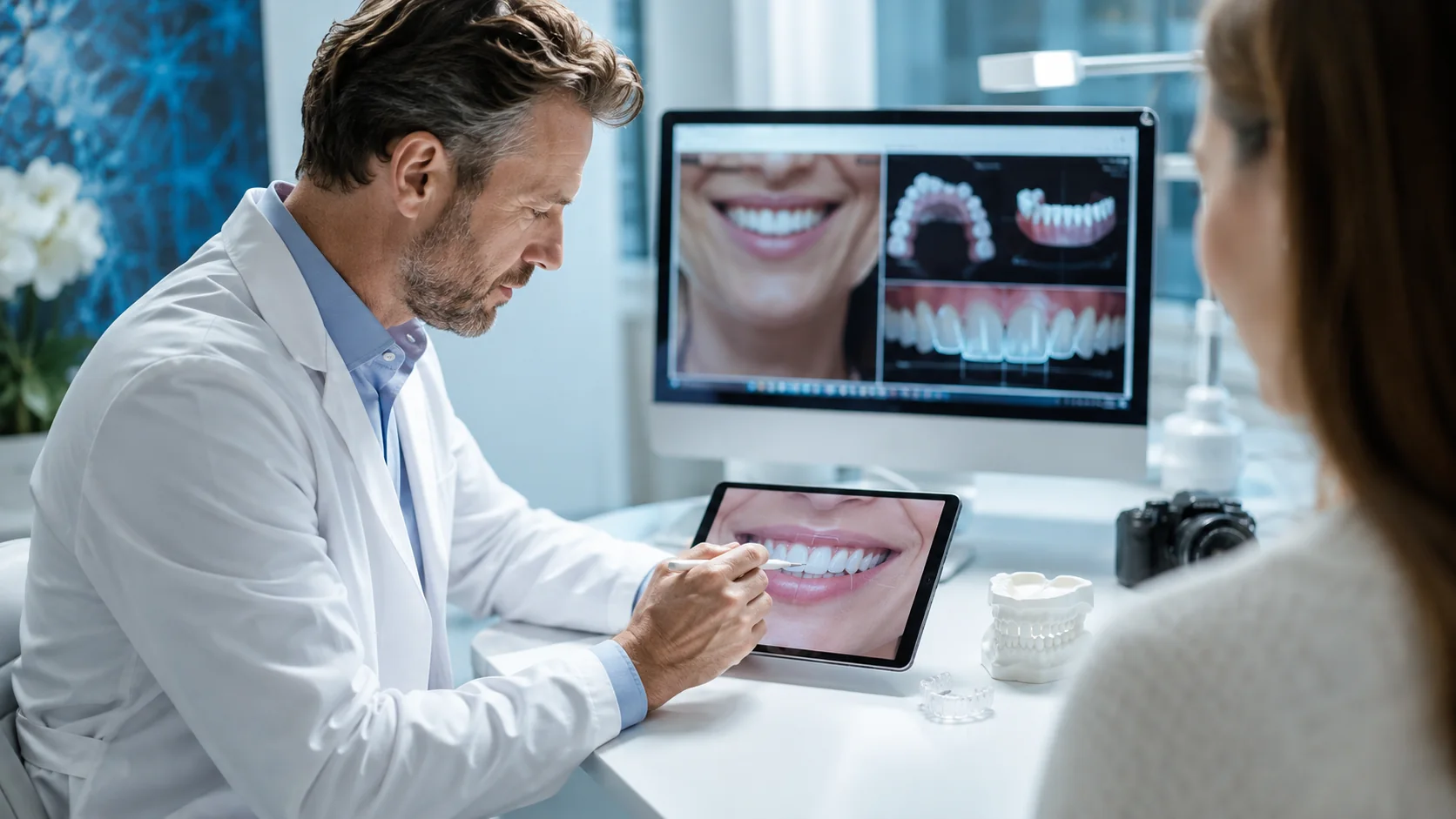
The examination identifies what deserves a closer look. Diagnosis may require biopsy or specialist evaluation.
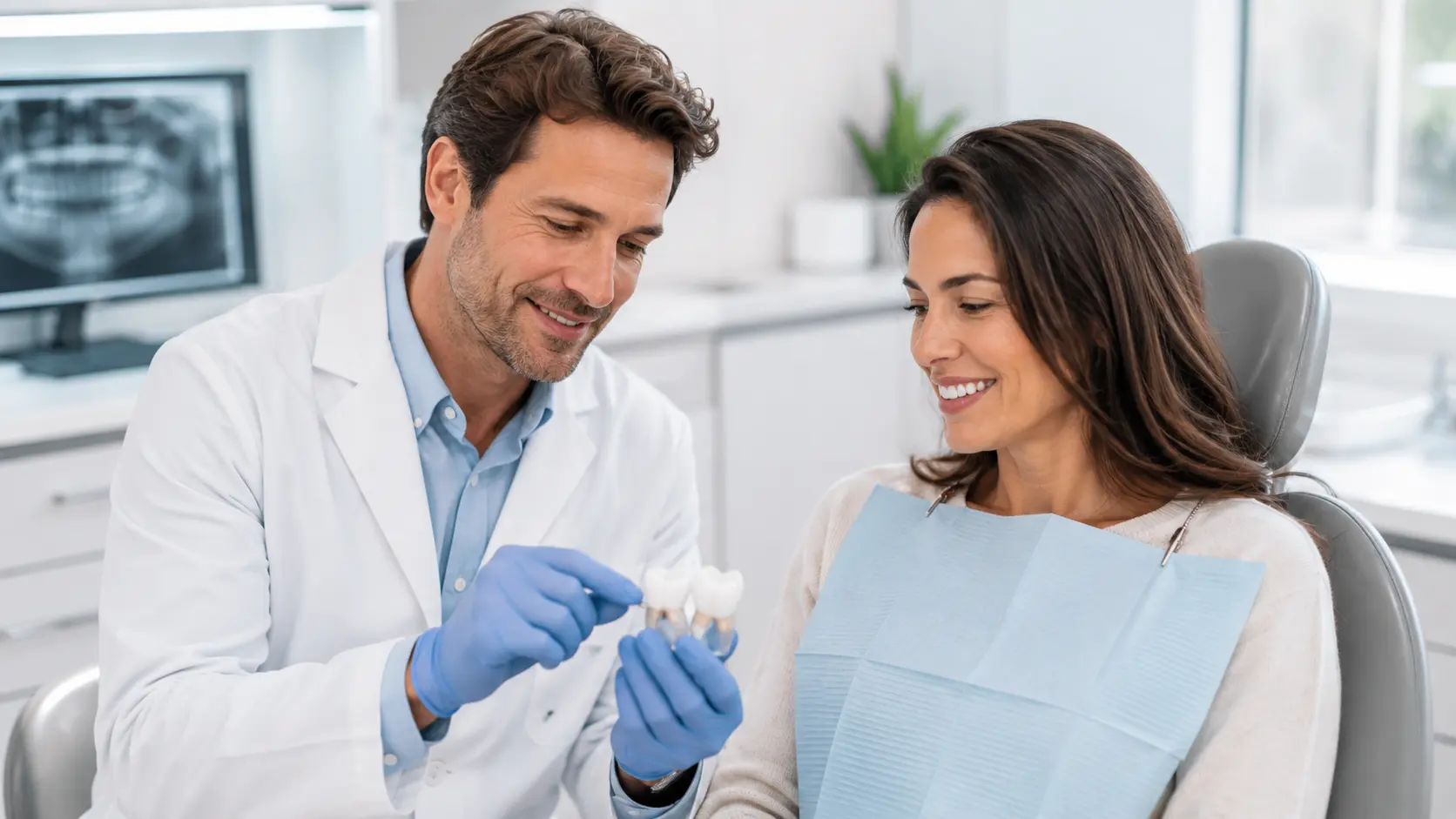
An oral cancer screening is an examination of the tissues of the mouth and nearby structures for abnormalities that could deserve further attention. During a conventional screening, the clinician uses both visual inspection and touch rather than relying on symptoms alone.
The face, neck, lips, mouth and visible areas toward the back of the throat can all provide useful information during an oral examination. The screening looks for something unusual, but it does not decide what that abnormality is.
Diagnosis may require additional testing or biopsy when a finding deserves more definitive evaluation.
Many changes inside the mouth are not cancer. Irritation, trauma, infections and other benign conditions can create sores, color changes or areas that look different from the surrounding tissue.
A screening helps identify which findings deserve attention, but a visual examination cannot establish a cancer diagnosis. When an area is suspicious, biopsy remains the reference standard for determining what the tissue actually is.
An unusual spot should not automatically create panic, but a suspicious or persistent lesion should not simply be ignored.
The lips can be examined for persistent sores, changes in color, crusting, thickening or other abnormalities. The outer lip also receives sun exposure, which can contribute to cancer risk.
The top, sides and underside of the tongue can all be examined. Changes along the lateral borders and underside may be especially difficult for patients to notice on their own.
The tissue beneath the tongue is another area included in a thorough oral examination. Both appearance and texture can provide useful information.
The lining of the cheeks and the gum tissues can develop red, white, ulcerated or thickened areas. An abnormality should be interpreted in context rather than diagnosed from appearance alone.
The roof of the mouth and visible portions toward the back of the oral cavity can also be examined. Some cancers arise farther into the oropharynx, where a routine dental visual examination has natural limitations.
The examination can extend beyond the inside of the mouth. The face and neck may be observed and gently palpated for swelling, asymmetry or enlarged areas that deserve further evaluation.
Some abnormalities are visible as changes in color, contour or surface texture. Others may be easier to appreciate by gently feeling the tissues for firmness, thickening, asymmetry or a lump.
That is why conventional oral cancer screening uses both visual and tactile examination rather than a quick visual glance alone. No single feature makes an area cancer, because the finding has to be interpreted with the patient’s history, location of the abnormality and how the tissue behaves over time.

Many of these findings can have benign causes. Their importance comes from persistence, progression and the surrounding clinical picture rather than from one symptom alone.
A mouth sore can develop for many ordinary reasons, including trauma. A sore or irritated area that persists beyond roughly two weeks deserves evaluation rather than indefinite observation.
Changes in tissue color can have several explanations. Persistent red or white areas should be examined because appearance alone cannot determine their cause.
A new lump, firm area or patch of tissue that feels thicker than the surrounding area deserves attention. The location and duration help determine the appropriate next step.
Bleeding or pain inside the mouth can result from dental and periodontal problems as well as soft-tissue conditions. Persistent symptoms should be evaluated rather than assumed to have one specific cause.
Unexplained numbness of the tongue, lip or another area of the mouth can warrant evaluation. Neurologic symptoms should be interpreted with the rest of the clinical findings.
Persistent changes in chewing or swallowing can have dental and nondental causes. Symptoms that continue should be discussed with an appropriate dental or medical clinician.
A persistent lump in the neck, hoarseness or the feeling that something is caught in the throat can deserve medical or dental evaluation. Some head-and-neck cancers occur beyond the areas readily visible inside the mouth.
Mouth sores are common and often resolve after an irritation or minor injury heals. A persistent area becomes more important because tissue that does not return to normal deserves an explanation.
A sore, irritation, lump, red or white patch, hoarseness or other unexplained change that lasts for more than about two weeks deserves evaluation. Persistence does not mean cancer, but it is a useful reason not to keep waiting.
A lesion that appears suspicious even before two weeks may warrant earlier evaluation. The clinical appearance and the patient’s history still matter.
A persistent finding deserves an explanation even when it does not hurt or has an obvious benign possibility.
A sharp tooth, cheek bite, hot food or another identifiable injury can create an ulcer or irritated area inside the mouth. When the cause is obvious and the tissue heals as expected, the finding may be considerably less concerning.
The problem is persistence. An area that repeatedly returns, fails to heal or no longer fits the expected pattern of a simple injury should be evaluated.
Dr. Reeves can consider what the tissue looks like, whether there is an obvious source of trauma and whether further examination is appropriate.
Cigarettes, cigars, pipes and smokeless tobacco are established oral-cancer risk factors. Tobacco history therefore belongs in the medical and social history considered during an oral examination.
Heavy alcohol use is another important risk factor. Tobacco and alcohol together can increase risk more than either exposure alone.
Human papillomavirus, particularly HPV-16, is an important cause of many cancers of the oropharynx. These cancers can develop around structures such as the tonsils and base of the tongue, where not every relevant abnormality is easily visible during a routine mouth examination.
Risk increases with age, and oral cancers occur more commonly in older adults. Age is one part of risk assessment rather than a reason to assume younger adults cannot develop disease.
Ultraviolet exposure contributes particularly to cancer of the lip. Changes involving the outer lip therefore deserve the same thoughtful attention as changes inside the mouth.
Tobacco and heavy alcohol use remain important risk factors, but the absence of those exposures does not make every persistent oral abnormality unimportant. HPV-related disease has also changed the risk landscape for cancers of the throat and oropharynx.
A useful screening history considers known risk factors without using them as a shortcut. The tissue still deserves to be evaluated based on what Dr. Reeves sees and feels.
That approach keeps the examination focused on the individual rather than on a single stereotype of who develops oral cancer.

Oral cavity cancers can arise on structures such as the tongue, floor of the mouth, gums, lips and lining of the cheeks. Oropharyngeal cancers develop farther back, including areas around the tonsils and base of the tongue.
That distinction is especially relevant because HPV is strongly associated with many oropharyngeal cancers. A dental examination can include visible and accessible areas of the mouth and throat, but it cannot make every part of the oropharynx directly visible.
Persistent throat symptoms, neck lumps or swallowing changes can therefore require medical or specialist evaluation even when the visible oral examination appears normal.
The mouth and oropharynx are related, but a dental examination cannot directly visualize every structure farther back in the throat.
A conventional visual and tactile examination remains the foundation of oral cancer screening. Light-based adjuncts should not replace clinical judgment or be treated as the deciding factor for whether an oral abnormality needs biopsy or specialist evaluation.
That does not mean technology can never have a role in evaluating oral tissue. It means a screening should not be presented as more accurate simply because a light or device is involved.
When an abnormality is genuinely suspicious, the important next step is appropriate diagnostic evaluation rather than reassurance from an adjunctive device.
Research continues into tests that may help clinicians evaluate oral abnormalities, including salivary and cellular testing. These technologies do not change the fundamental distinction between identifying a suspicious area and establishing a diagnosis.
Biopsy remains the reference standard when tissue diagnosis is required. A patient with a suspicious lesion should not be falsely reassured because a noninvasive screening test appears normal.
The appropriate test depends on the finding, which is why the conventional examination comes first.
An unusual area does not automatically mean cancer. Dr. Reeves first considers the appearance, location, duration, symptoms and clinical history before deciding what level of follow-up is appropriate.
When a lesion appears suspicious for a potentially malignant disorder or cancer, prompt biopsy or referral can become the appropriate next step. The purpose of referral is to obtain a diagnosis, not to imply that cancer has already been found.
Some areas can be monitored. Others need biopsy or specialist evaluation because visual inspection alone cannot establish the diagnosis.
A biopsy involves removing a sample of tissue so it can be examined microscopically. That tissue evaluation is what allows a suspicious area to be diagnosed rather than judged solely from appearance.
Not every sore, patch or lump requires biopsy. When the clinical finding is sufficiently concerning, however, biopsy remains the reference standard for diagnosing potentially malignant disorders and oral squamous cell carcinoma.
Dr. Reeves can recommend referral when biopsy or a level of specialty evaluation beyond routine general dental care is appropriate.
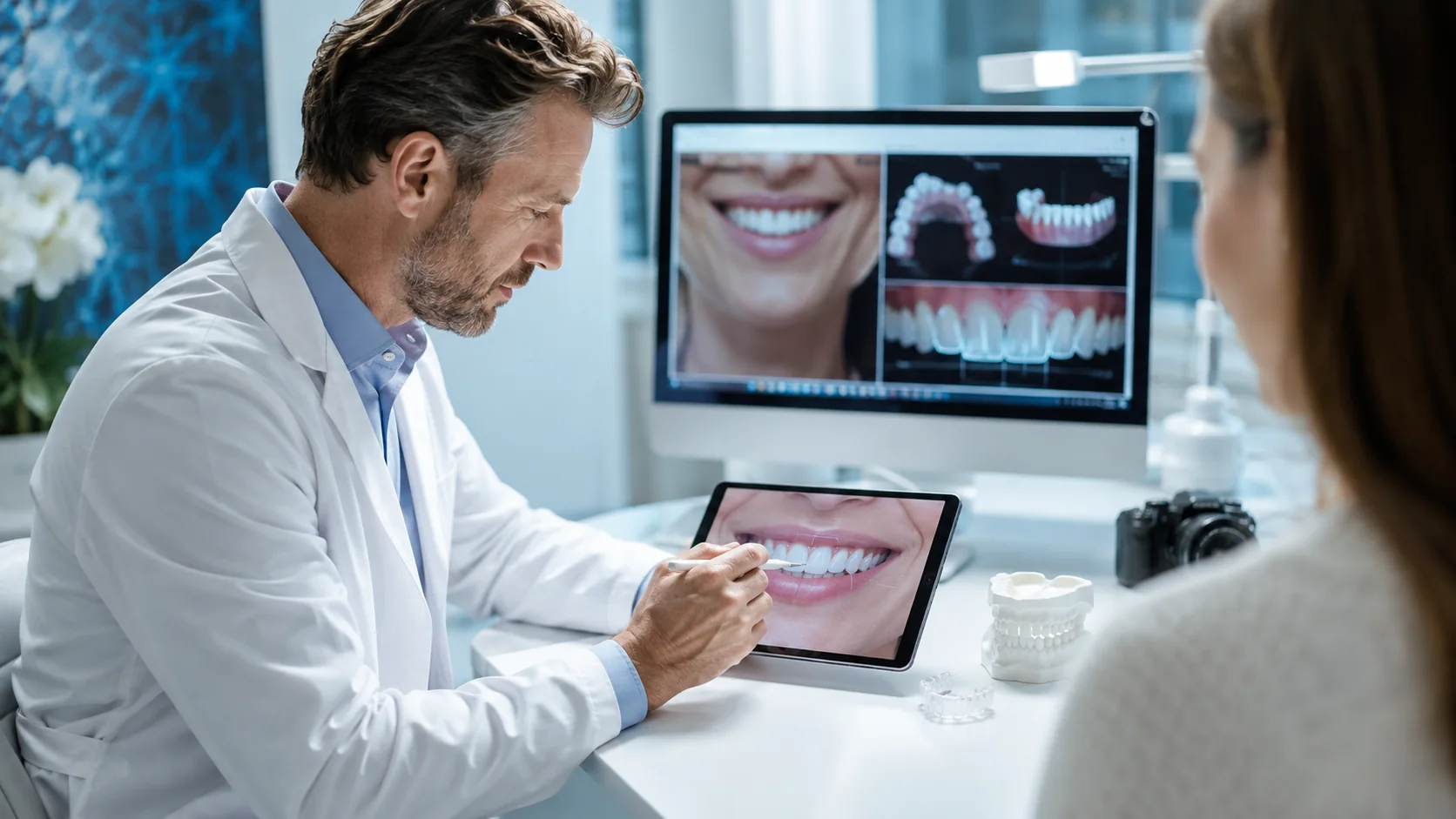
The appropriate specialist depends on where the abnormality is located and what type of evaluation is required. Referral may involve an oral and maxillofacial surgeon, an ear, nose and throat physician, a head-and-neck specialist or another clinician experienced in diagnosing oral and oropharyngeal disease.
Specialty referral does not mean the patient leaves the Reeves practice for all dental care. It allows a focused diagnostic question to be answered by the clinician best equipped to answer it.
Routine preventive, restorative and other dental care can continue to be coordinated as appropriate.
The goal is to get the right diagnostic question in front of the clinician who has the training and tools to answer it.
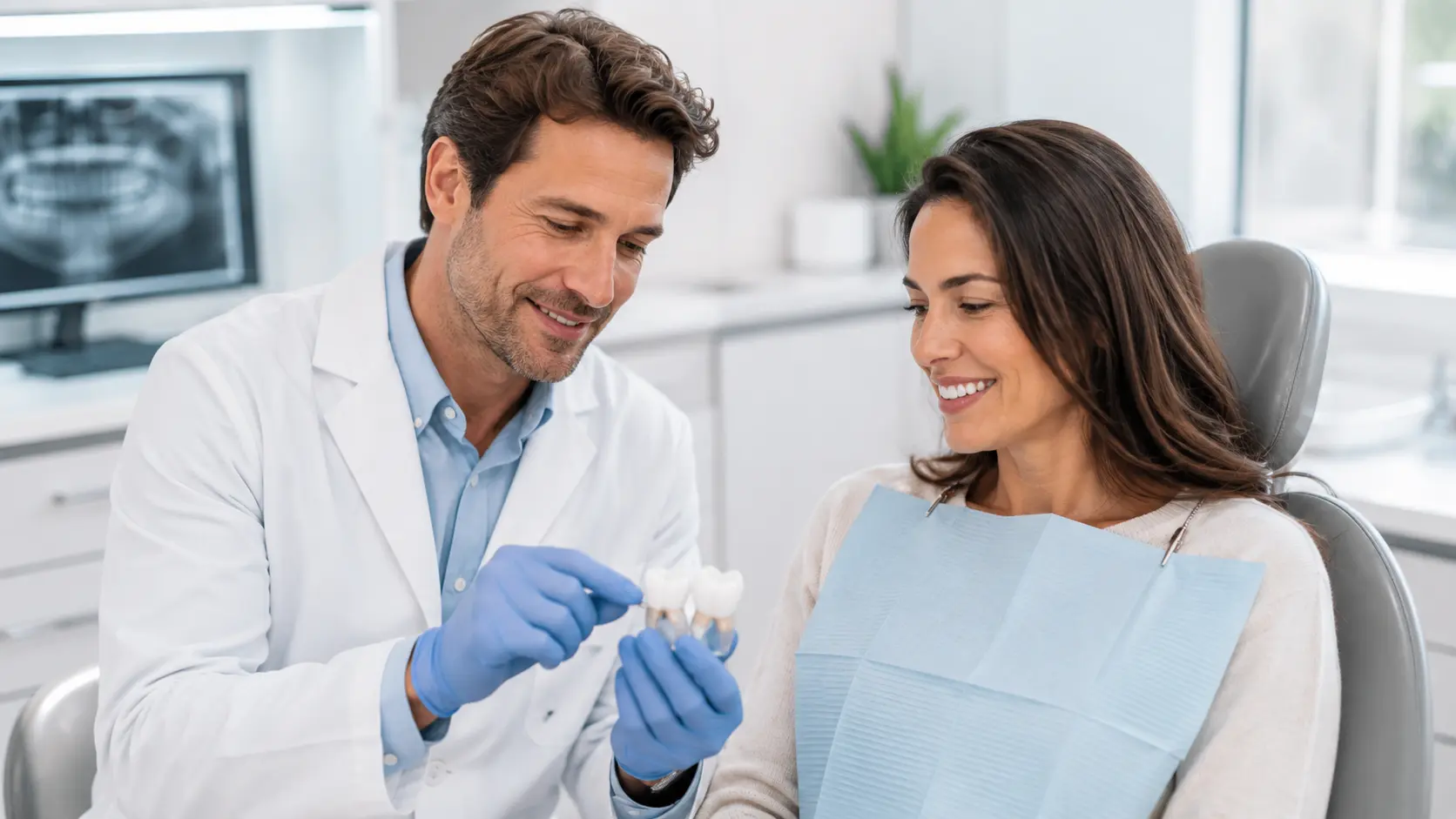
Some surfaces of the tongue, floor of the mouth and posterior oral cavity are difficult to inspect without proper lighting and positioning. A professional examination also adds tactile assessment that cannot be reproduced by simply looking in a bathroom mirror.
A regular dental visit creates a recurring opportunity for oral cancer examination. That does not mean every patient will have an abnormal finding; it means preventive care creates another opportunity to notice change.
Knowing what looks normal today can make future changes easier to recognize.
Patients often notice a sore, lump, rough area or change in sensation before the next routine appointment. Mentioning those changes can help direct Dr. Reeves to the area that is concerning you.
Self-awareness does not replace a professional oral examination. The mouth contains areas that are difficult to see, and patients are not expected to decide whether an abnormality is benign or suspicious on their own.
If something persists or concerns you, the useful next step is an examination rather than repeatedly trying to diagnose it in the mirror.
The patient’s observations and the clinical examination are useful together, especially when an area has persisted or changed over time.
A preventive dental visit is already an opportunity to examine more than the teeth being cleaned. Gum tissues, existing restorations, soft tissues and changes the patient has noticed can all become part of the broader evaluation.
Reeves includes oral cancer screening within its preventive and family dental care. That allows soft-tissue evaluation to remain part of ongoing care rather than something considered only after a patient develops a dramatic symptom.

No screening examination can promise that every cancer will be found at its earliest possible stage. Some abnormalities are subtle, some cancers occur in locations that are difficult to visualize, and changes can develop between dental visits.
That limitation does not make the examination pointless. Oral cancer screening is best understood as a careful visual and tactile evaluation that can identify abnormalities deserving further attention, not as a guarantee.
A normal examination is useful information, but it cannot promise that every oral or oropharyngeal cancer is absent.

Dr. Todd Reeves established the Greystone practice in 1997 after earning his dental degree from UAB in 1995 and graduating second in his class. His decades of comprehensive care provide continuity when a new finding needs to be compared with a patient’s established oral-health history.

Dr. Coleman Reeves earned his dental degree from UAB and practices alongside his father within the same Greystone office. Preventive evaluation, restorative care and referral when specialist assessment is appropriate can therefore remain parts of one continuing dental relationship.
A suspicious oral lesion may ultimately require expertise outside a general dental practice. Reeves can continue coordinating routine preventive and restorative care while the diagnostic question is handled appropriately.
A dental examination should include more than the hard surfaces of the teeth. Soft tissues, the tongue, lips and surrounding structures can also provide clinically important information.
Conventional examination remains the foundation of oral-cancer screening. Looking at the tissues and gently palpating appropriate areas provides information without pretending that a screening device can make the diagnosis.
Areas that have remained unchanged over time provide different information from a new lesion that appeared recently. An established dental relationship can give Dr. Reeves useful context when something changes.
Screening is not presented as a guarantee or a biopsy substitute. Patients deserve a clear explanation of what an examination can identify and what requires further testing.
Suspicious lesions may require biopsy or specialist evaluation. Reeves can coordinate referral when the finding calls for a level of diagnostic care beyond routine dentistry.
Dr. Todd Reeves established the practice in Greystone in 1997. Preventive dentistry has remained part of the broader comprehensive care provided from the Reeves office.
Oral cancer evaluation is commonly incorporated into comprehensive or periodic dental examinations rather than treated as an isolated diagnostic procedure for every patient. The exact services and insurance benefits associated with an appointment can still vary according to the type of examination and the patient’s dental plan.
If an abnormality requires specialist evaluation, imaging or biopsy, those services become separate parts of the diagnostic process. The office can explain what is included in the planned dental visit and help patients understand the next step if additional evaluation is recommended.
A screening visit can identify the need for further evaluation, while specialist consultation, imaging or biopsy may involve separate services and costs.
Reeves Cosmetic Dentistry is located at 8040 Hugh Daniel Drive in Birmingham, Alabama 35242, in the Greystone area near the Highway 280 corridor. Oral cancer screening is included within the practice’s broader preventive and family dental care.
If you have noticed a persistent sore, red or white patch, lump, unexplained change or another area that concerns you, you do not need to decide whether it is serious before scheduling. The first step is allowing Dr. Reeves to examine the area and determine whether it appears routine, deserves follow-up or requires referral for further evaluation.
8040 Hugh Daniel Drive
Birmingham, AL 35242
(205) 991-9997
Monday–Thursday, 8:00 AM–5:00 PM

An oral cancer screening is a visual and tactile examination of the mouth and nearby structures for abnormalities that may deserve further evaluation. It is a screening examination rather than a test that can diagnose cancer by itself.
Dentists are well positioned to examine the oral cavity during routine dental care. Conventional visual and tactile examination can be part of a comprehensive oral evaluation.
Yes. Reeves includes oral cancer screening within its preventive and family dental care.
The examination can include the lips, tongue, cheeks, gums, floor of the mouth, palate and visible portions of the throat as well as appropriate areas of the face and neck. Both visual inspection and palpation can be part of the examination.
A conventional visual and tactile screening is generally noninvasive. The dentist examines and gently feels relevant tissues rather than cutting or removing tissue during the screening itself.
The examination can be incorporated into a routine dental evaluation and does not usually require a lengthy separate appointment. The amount of time can increase when a patient has a specific lesion or symptom that needs closer evaluation.
No. Appearance can tell a dentist that an area deserves additional attention, but it cannot establish a cancer diagnosis. Suspicious lesions may require biopsy or specialist evaluation.
A biopsy removes a sample of tissue so it can be examined microscopically. Biopsy remains the reference standard when tissue diagnosis is required for a potentially malignant oral lesion.
No. Many oral abnormalities are benign or related to trauma and other common conditions, so the clinical context matters. A suspicious, persistent or progressive finding may require biopsy or specialist referral.
There is no single appearance that identifies oral cancer. Persistent ulcers, red or white patches, lumps, thickened areas or other unexplained changes can deserve evaluation.
Minor traumatic sores often improve as the underlying irritation resolves. A concerning oral or throat symptom that persists for more than about two weeks deserves evaluation.
Not necessarily. White patches can have several causes, so appearance alone cannot establish the diagnosis.
Not automatically. Persistent red tissue changes deserve evaluation because several benign and potentially significant conditions can produce a red appearance.
Yes. An abnormal lesion can be present without significant pain, so discomfort is not required before an area deserves evaluation.
A persistent neck lump can be associated with head-and-neck conditions, including cancer. It can also have other causes, so the finding should be evaluated rather than self-diagnosed.
HPV, especially HPV-16, is strongly associated with many cancers of the oropharynx. These cancers often involve structures farther back in the throat rather than only the easily visible surfaces of the mouth.
Yes. Tobacco use is a major established risk factor for cancers of the oral cavity.
Heavy alcohol consumption increases oral-cancer risk, and combined alcohol and tobacco exposure can increase risk further.
Yes. Tobacco is an important risk factor, but it is not present in every case, and HPV is particularly important in many oropharyngeal cancers.
No. Conventional visual and tactile examination remains the foundation of screening, and a light-based adjunct should not replace clinical judgment about whether an abnormality needs biopsy or referral.
No. A light-based device should not be used as proof that an abnormal area is benign when the clinical findings are concerning. Suspicious tissue requires appropriate diagnostic evaluation.
A saliva test does not replace tissue diagnosis when a suspicious lesion requires definitive evaluation. Biopsy remains the diagnostic reference standard for potentially malignant oral lesions.
The next step depends on the finding. A suspicious lesion may warrant prompt referral to a specialist for biopsy or another appropriate diagnostic evaluation.
Specialty care can involve oral and maxillofacial surgeons, ear-nose-and-throat physicians, head-and-neck surgeons and oncology specialists depending on the diagnosis and location.
No. Referral means an area requires more definitive evaluation than a screening examination can provide, not that cancer has already been diagnosed.
It can be incorporated into the broader examination associated with preventive dental care. The cleaning and oral cancer examination perform different jobs even when they occur during the same visit.
Paying attention to persistent changes can be useful, particularly if you notice a new sore, patch or lump. Self-examination cannot replace professional visual and tactile evaluation.
No. Screening can identify suspicious abnormalities, but no oral examination can guarantee that every cancer will be detected at the earliest stage.
Conventional visual and tactile examination is a routine part of comprehensive adult dental evaluation. Individual risk factors and specific findings can influence how closely an area is followed.
Reeves is located at 8040 Hugh Daniel Drive in Birmingham, AL 35242, in Greystone near the Highway 280 corridor. The office can be reached at (205) 991-9997.
Maybe you noticed a sore that has not healed, a patch of tissue that looks different or a lump that was not there before. You may also simply be coming in for routine preventive care and want the soft tissues of the mouth evaluated along with your teeth and gums.
The first step is not assuming the worst. Dr. Reeves can examine the area, consider how long it has been present and determine whether it looks routine, needs follow-up or deserves specialist evaluation.
Screening and diagnosis are different jobs. A careful examination identifies what deserves attention, and biopsy or specialist care provides the next level of certainty when the finding requires it.
Request an appointment online or call the Greystone office directly.

Personalized cosmetic, restorative, implant and family dentistry in Greystone, Birmingham, Alabama.
Copyright © 2027 All Rights Reserved.