
Greystone, Birmingham•Serving patients since 1997

A chipped corner. An uneven edge. A narrow space between two teeth. One tooth that looks shorter or slightly out of proportion beside the others.
Cosmetic dental bonding gives Dr. Reeves a way to make targeted changes with tooth-colored composite resin rather than automatically moving toward a porcelain restoration.
The material is placed directly on the tooth, shaped carefully, hardened and refined to blend with the surrounding smile.
The important part is deciding where bonding is enough—and where it is not.

Bonding is most useful when the size of the treatment matches the size of the problem.
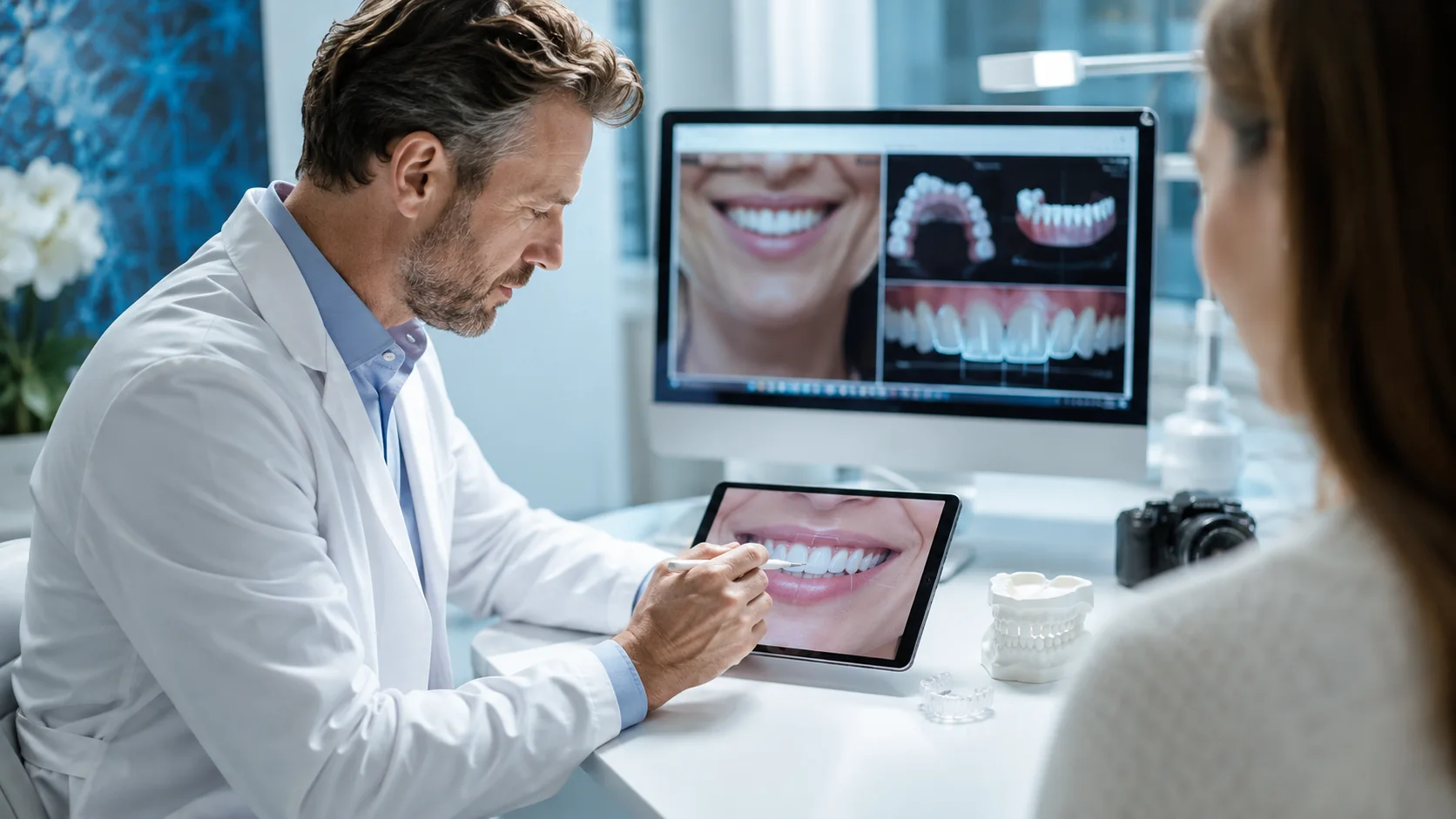
It is easy to look at a chipped or uneven tooth and jump straight to veneers.
That may be unnecessary.
Composite bonding can be especially useful when the change being requested is localized and the underlying tooth is otherwise a good candidate for a direct restoration.
Dr. Reeves looks at the size of the defect, position of the tooth, surrounding enamel, bite forces and the amount of cosmetic change you want before deciding what makes sense.
Sometimes bonding is the answer. Sometimes porcelain offers advantages that composite cannot.
Good cosmetic dentistry begins with knowing the difference.
Dental bonding uses a tooth-colored resin material placed onto the natural tooth and hardened with a curing light. Unlike a laboratory-made porcelain veneer, composite is sculpted directly in the mouth.
Composite can be shaped to restore or refine a selected edge when the tooth and bite make bonding appropriate.
Adding a controlled amount of material can sometimes make a short tooth relate more naturally to the teeth beside it.
A missing or asymmetrical corner can sometimes be rebuilt directly with tooth-colored resin.
Small additions can sometimes help neighboring teeth relate more naturally in width and contour.
Shade is only one part of the result. Contour, polish and how the restoration catches light matter too.
Matching color is only one part of making bonding look natural. Proportion, surface contour, edge shape and the relationship between one tooth and the next can matter just as much.
Dr. Reeves may evaluate cosmetic bonding when concerns include:
A small missing corner or chipped edge can make an otherwise balanced smile feel uneven. Composite may be used to rebuild that portion of the tooth when the condition of the tooth and bite make bonding appropriate.
Front teeth do not always wear at the same rate. Selected edges may sometimes be reshaped or rebuilt with composite to create a more balanced appearance.
Bonding can add width to selected teeth and may help close certain spaces without physically moving the teeth. Larger or more complicated spacing may call for clear aligners or another approach instead.
A tooth that appears too narrow, short or differently shaped from its neighbor may sometimes be modified with composite.
Composite can mask certain localized color concerns, but bonding is not simply a substitute for whitening. If natural enamel would respond predictably to whitening, that may be a more conservative first discussion.
Being able to add composite to a tooth does not mean composite is the best answer.
Bonding may be less suitable when the requested change involves a large portion of the visible tooth, substantial tooth-position problems, significant structural damage or forces that could repeatedly stress the restoration.
It also cannot move a tooth. It cannot whiten the natural enamel around it. It cannot correct every bite relationship.
It should not be asked to compensate for a dental problem that needs another kind of treatment instead.
That distinction matters because Dr. Reeves should recommend the treatment that fits the tooth—not simply the material that can be placed on it.
Composite bonding and porcelain veneers can sometimes address similar visible concerns, but they accomplish them differently.

Composite is applied and shaped directly on the tooth.
It may make sense when the change is relatively small, only part of the tooth needs modification, a chipped edge needs rebuilding, a small gap or proportion issue is involved, and Dr. Reeves believes a direct composite restoration is suitable.
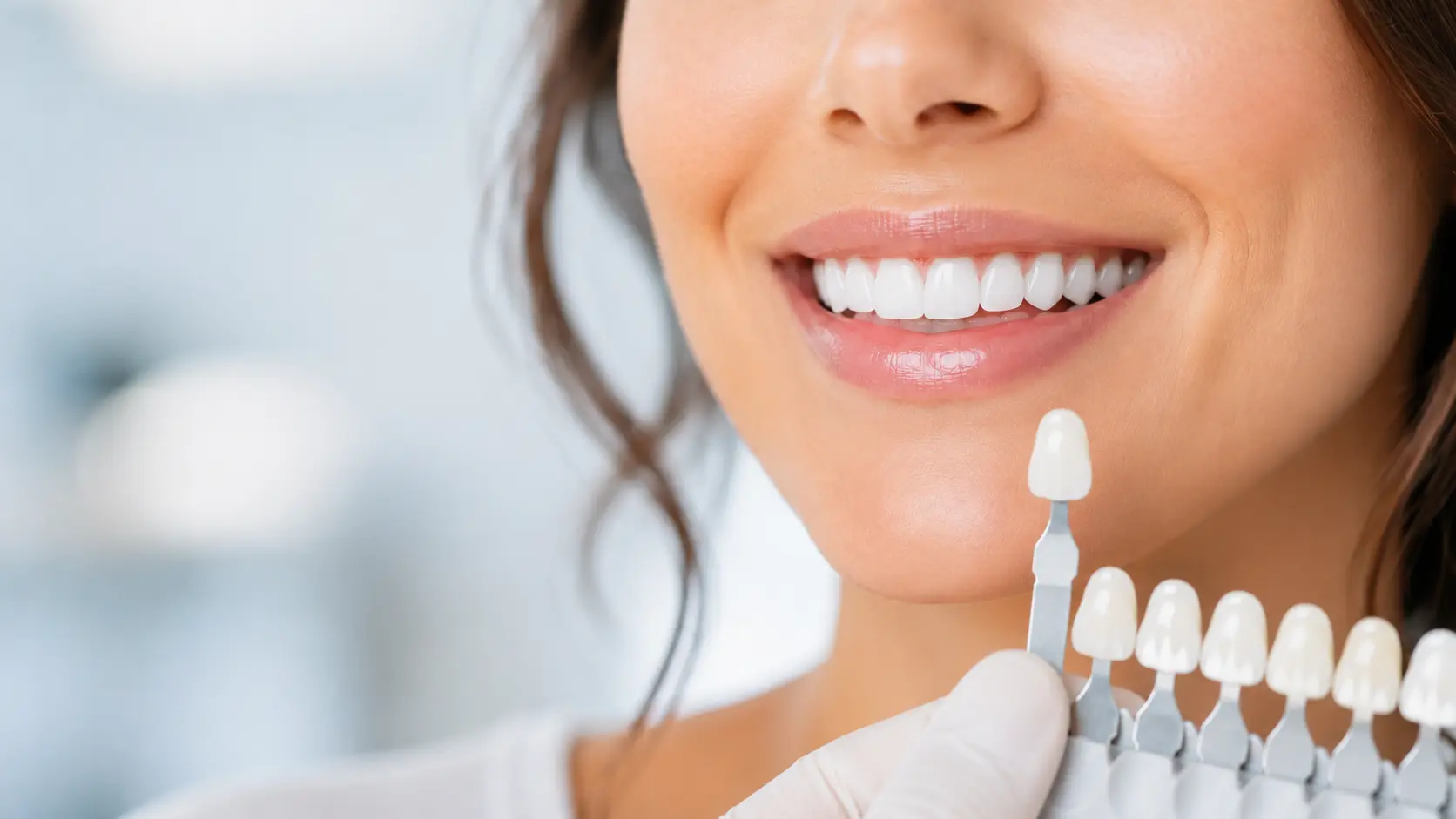
A veneer is a custom-made ceramic restoration designed to cover the visible front portion of a tooth.
Porcelain may become part of the discussion when the amount of change is greater, several characteristics need to be altered simultaneously or material considerations make porcelain more appropriate.
Cosmetic dentistry does not have to mean rebuilding an entire smile.
Imagine that the front teeth are otherwise attractive, but one central incisor has a slightly chipped edge.
Changing ten teeth would not necessarily make the dentistry better. Correcting the one detail that interrupts the smile may be enough.
The same can be true of a narrow space, a short lateral incisor or a single asymmetrical edge.
Dr. Reeves can look at the problem within the context of the complete smile and determine how much treatment is actually justified.
The objective is not to see how many teeth can be altered. It is to understand which change creates the result.

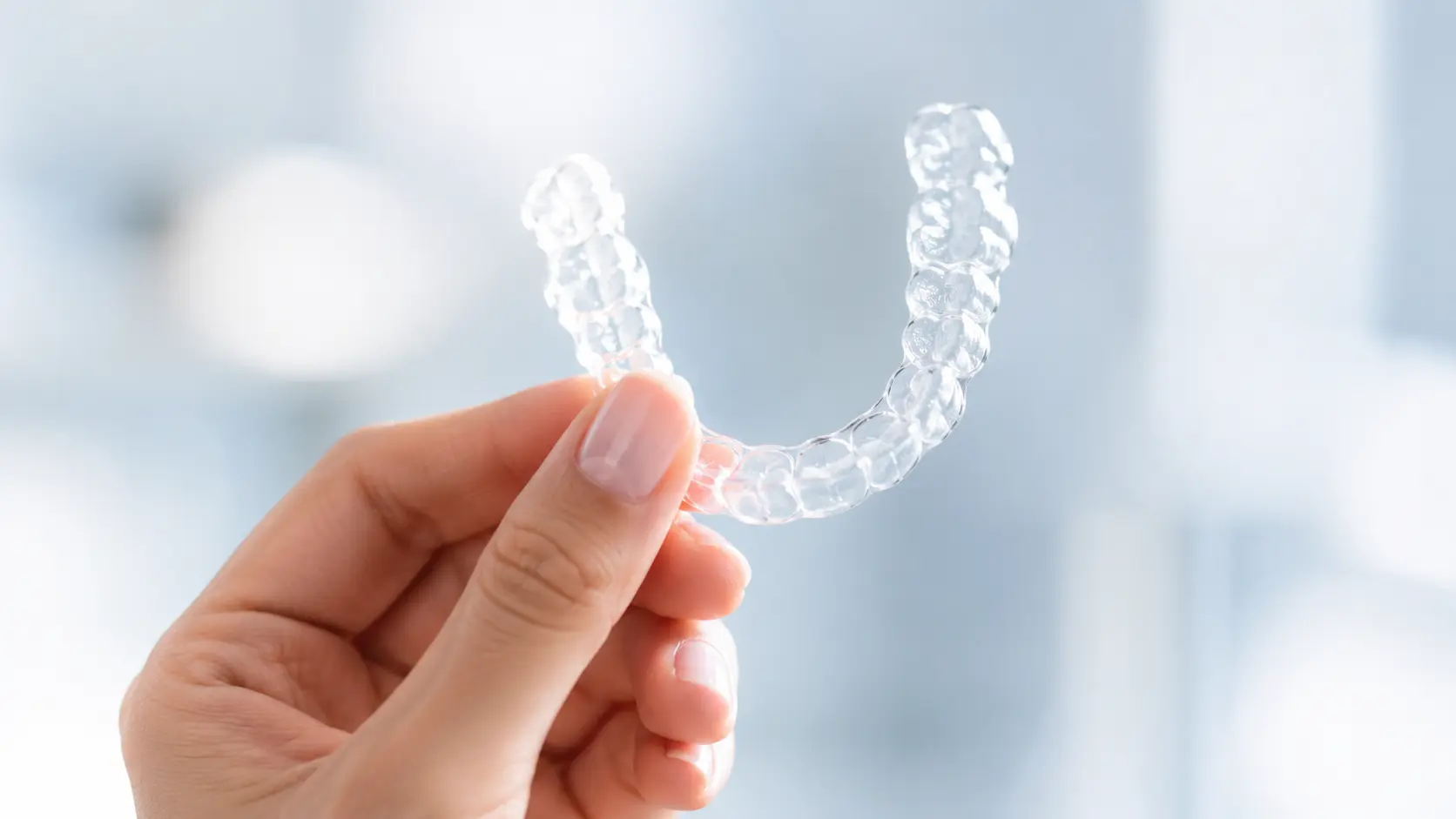
Not every smile makeover requires porcelain on every visible tooth.
A broader cosmetic plan might involve whitening the natural teeth first, moving selected teeth with ClearCorrect, replacing an older restoration, using porcelain where greater change is necessary, and adding composite only where a small shape correction remains.
That sequence can matter.
A bonding shade selected before whitening, for example, may no longer relate to the surrounding natural teeth in the same way afterward because restorative materials do not whiten like natural enamel.
Clear aligner treatment may also reposition a tooth before Dr. Reeves decides whether any bonding is still necessary.
Thinking through the order can prevent one treatment from creating a problem for the next.
Point to it. A chip. A space. A tooth that looks short. An edge that catches your eye every time you see a photograph. You do not need to diagnose it.
Dr. Reeves looks at the condition of the tooth, surrounding enamel, existing restorations, gum health, tooth position and bite.
A small defect may lend itself to bonding. Another concern may be better addressed with whitening, clear aligners, a veneer or restorative treatment. Understanding those alternatives matters before anything is changed.
When bonding is appropriate, tooth-colored resin is placed and sculpted directly against the tooth.
The material is hardened with a curing light, then adjusted and polished.
The finished restoration should be considered as part of the surrounding smile—not as an isolated tooth.
Teeth are not flat white rectangles.
They curve. Edges differ in thickness. Light moves through enamel differently from one area of the tooth to another.
The two front teeth relate closely to each other, while smaller teeth beside them create another set of proportions.
That is why simply placing “tooth-colored material” does not automatically produce a natural result.
Dr. Reeves considers the shape of the restoration and how it relates to neighboring teeth in addition to selecting a shade.
A small change should look like it always belonged there.

Composite bonding is not permanent. The material can wear, stain, chip or require repair over time. How it behaves depends on where it is placed and what will be asked of it.
A small edge restoration experiences different forces than a restoration covering a larger area of the tooth.
The amount of composite exposed during everyday function can influence how the restoration behaves over time.
Where the teeth contact can matter when composite is placed on a front edge or other stress-bearing area.
Using front teeth as tools or intentionally biting hard objects can place unnecessary stress on bonded areas.
Regular brushing, flossing and professional care help support both the bonded tooth and surrounding tissues.
Composite can change over time, and habits involving staining foods or beverages can affect appearance.
It means the choice should account for where the material is being placed and what will be asked of it. If a particular situation would place composite under forces Dr. Reeves considers unfavorable, another treatment may make more sense.
Bonded teeth are still meant to function.
Normal brushing, flossing and professional dental care remain important.
A few habits deserve more thought once composite has been placed on an edge or corner.
Avoid opening packages or gripping objects with bonded front teeth.
Do not intentionally bite extremely hard objects with the bonded area.
A rough edge, altered bite or visibly damaged composite deserves evaluation rather than waiting for it to worsen.
There is not one meaningful bonding price that applies to every tooth.
Adding a small amount of composite to repair one corner is different from reshaping several teeth or treating multiple spaces.
Cost can depend on the number of teeth, the amount of composite required, location of the restorations, complexity of the shaping and other dental treatment needed beforehand.
Once Dr. Reeves has examined the teeth and determined what treatment actually makes sense, the Reeves team can explain the proposed care and associated fees.
That is when the cost discussion becomes useful.

Dr. Todd Reeves established the Greystone practice in 1997 after earning his dental degree from the University of Alabama at Birmingham.
His continuing education has included cosmetic training through the Las Vegas Institute, supporting an approach that considers the appearance of the smile alongside the health and condition of the underlying teeth.
Bonding is a good example of why that broader perspective matters.
A tooth can be cosmetically imperfect and still need very little treatment. Another tooth that looks like a straightforward bonding case may have structural, positional or bite considerations that change the recommendation.
The material comes later. The decision comes first.
Bonding, porcelain veneers, whitening and ClearCorrect give Dr. Reeves multiple ways to approach different cosmetic concerns rather than making one procedure fit every problem.
A visible problem may turn out to involve tooth position, an old restoration, structural damage or another issue that changes the cosmetic plan.
The practice has served the Birmingham area since 1997.
The question starts with what the individual tooth needs—not what procedure needs to be sold.
Reeves Cosmetic Dentistry is located at 8040 Hugh Daniel Drive in Birmingham, in the Greystone area near the Highway 280 corridor.
If you have been searching for cosmetic dental bonding in Birmingham because one particular detail of your smile bothers you, you do not need to decide ahead of time that bonding is the answer.
Show Dr. Reeves the problem.
He can explain whether composite makes sense, how much change would be involved and what the alternatives are.
8040 Hugh Daniel Drive
Birmingham, AL 35242
(205) 991-9997
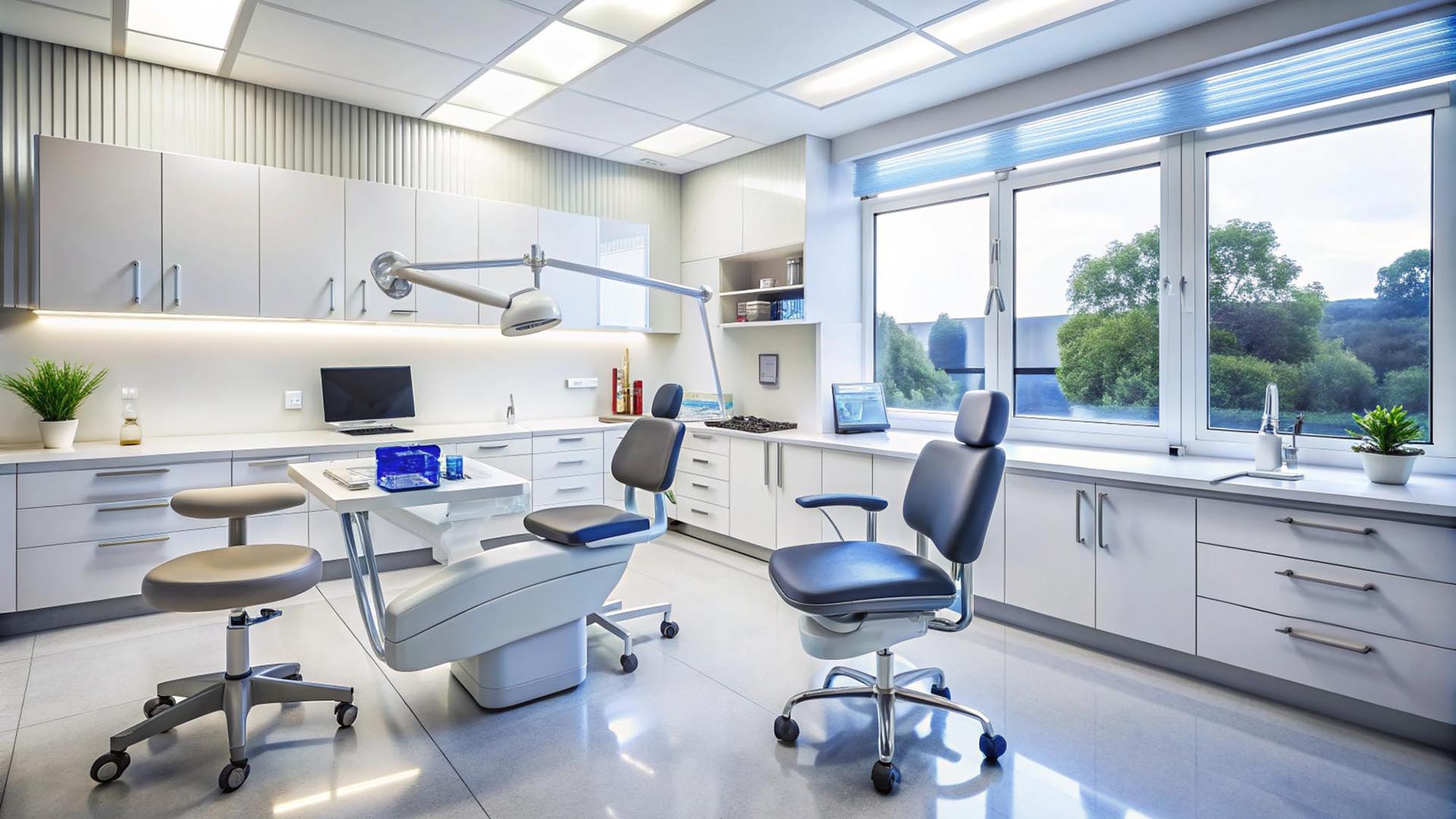
Free parking is available directly in front of the office.
Cosmetic dental bonding uses tooth-colored composite resin applied directly to the tooth and hardened with a curing light. The material can be shaped to address selected chips, spaces, contours and other cosmetic concerns.
Bonding may be considered for selected chipped edges, small spaces, uneven contours, tooth-proportion concerns and some localized discoloration. The size of the change, condition of the tooth and bite all influence whether composite is appropriate.
It can sometimes close smaller spaces by adding width to neighboring teeth. Larger spaces or spacing caused by tooth-position problems may be better approached with clear aligners or another treatment.
A chipped front tooth is a common reason composite bonding may be considered. Dr. Reeves still needs to evaluate the size of the chip, remaining tooth structure and forces on the tooth before recommending treatment.
Composite is available in tooth-colored shades and can be shaped and polished to relate closely to surrounding teeth. The result also depends on contour, proportion, surface form and the nature of the tooth being treated.
Neither treatment is universally better. Bonding may make sense for a smaller, targeted change. Porcelain may offer advantages when a greater portion of the visible tooth needs to be altered or the clinical situation favors a ceramic restoration. Dr. Reeves can explain the tradeoffs for the individual tooth.
Bonding is often considered for relatively conservative cosmetic changes, but the exact preparation required depends on the tooth and treatment. It would be misleading to promise that every bonding procedure is completely alteration-free.
No dental restoration should be described as permanent. Composite can wear, stain, chip or eventually need repair or replacement.
The natural teeth can respond to professional whitening, but existing composite does not whiten in the same way. That is one reason treatment sequencing and shade selection matter when whitening and bonding are both being considered.
Potentially. The important question is whether composite remains the appropriate material as the number of teeth and amount of planned change increase. Dr. Reeves may discuss veneers or another approach when the treatment becomes more extensive.
Cost depends on the number of teeth, amount of material, complexity and any other treatment required. An examination allows the office to provide a useful estimate based on the actual plan.
Schedule a cosmetic consultation and show Dr. Reeves what you would like changed. He can evaluate the tooth and explain whether bonding, veneers, whitening, clear aligners or another treatment makes the most sense.
Maybe it is one chipped corner. One space. One edge that sits slightly lower than the tooth beside it.
You do not need to know whether the answer is bonding.
Bring Dr. Reeves the detail that bothers you.
He can determine what is causing it, how much dentistry would actually be required and whether cosmetic bonding is the right way to address it.
Request a cosmetic consultation online or call the Greystone office directly.

Personalized cosmetic, restorative, implant and family dentistry in Greystone, Birmingham, Alabama.
Copyright © 2027 All Rights Reserved.