
Greystone, Birmingham•Serving patients since 1997

Finding a new dentist means more than locating an office close to home. You are choosing the people who may eventually help you maintain healthy teeth, repair something that breaks or make decisions about treatment that becomes much more involved.
Dr. Todd Reeves and Dr. Coleman Reeves welcome patients to a Greystone practice built around comprehensive dentistry and clear treatment conversations. Your first appointment is an opportunity for us to understand where things stand, what has brought you in and what deserves attention.
You do not need to know which procedure you need before scheduling. Start with what you have noticed, what concerns you or simply the fact that it is time to establish care with a dentist in Birmingham.
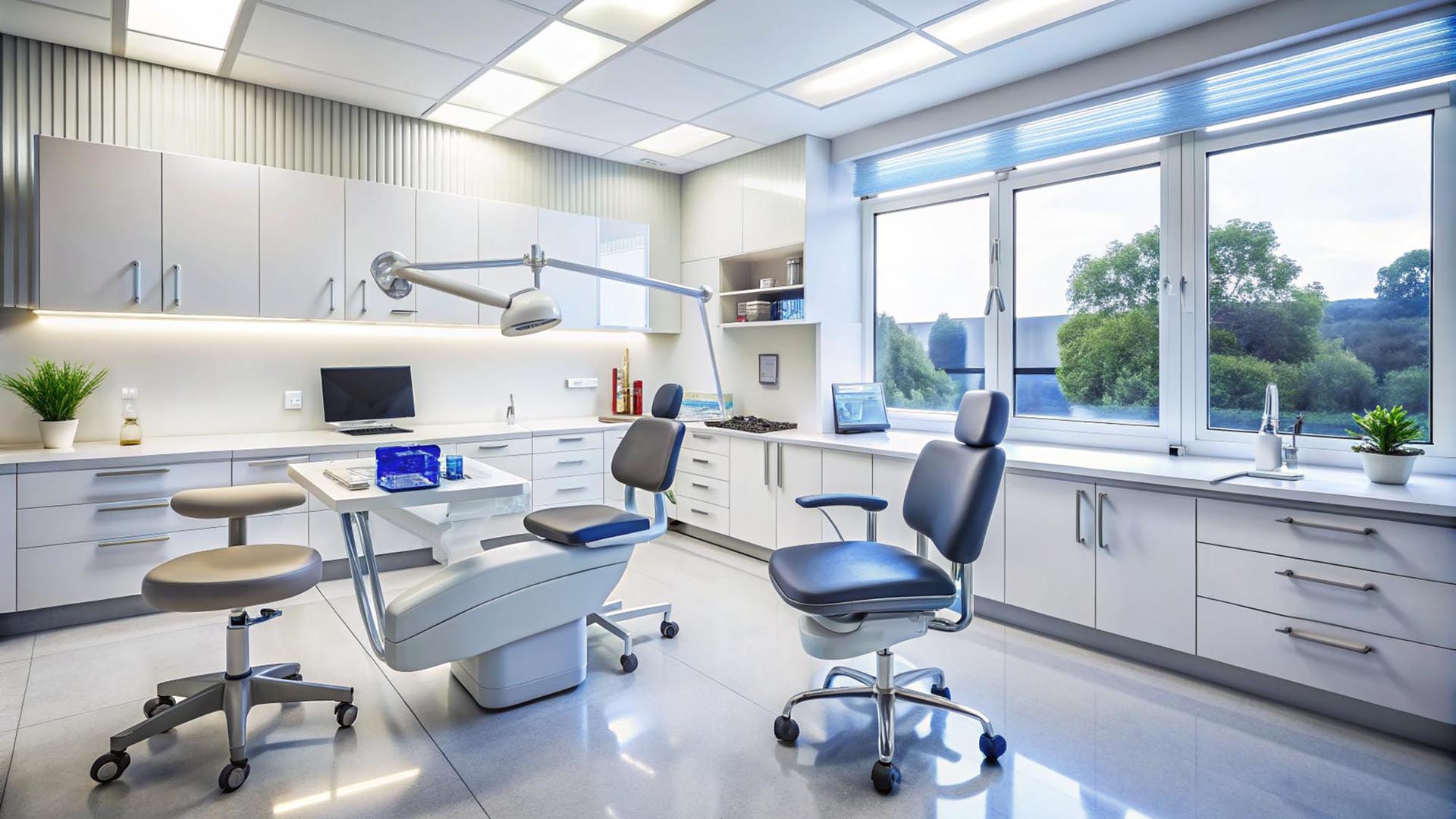
Tell us what brings you in, and the visit can begin with the information needed to understand your current dental health.
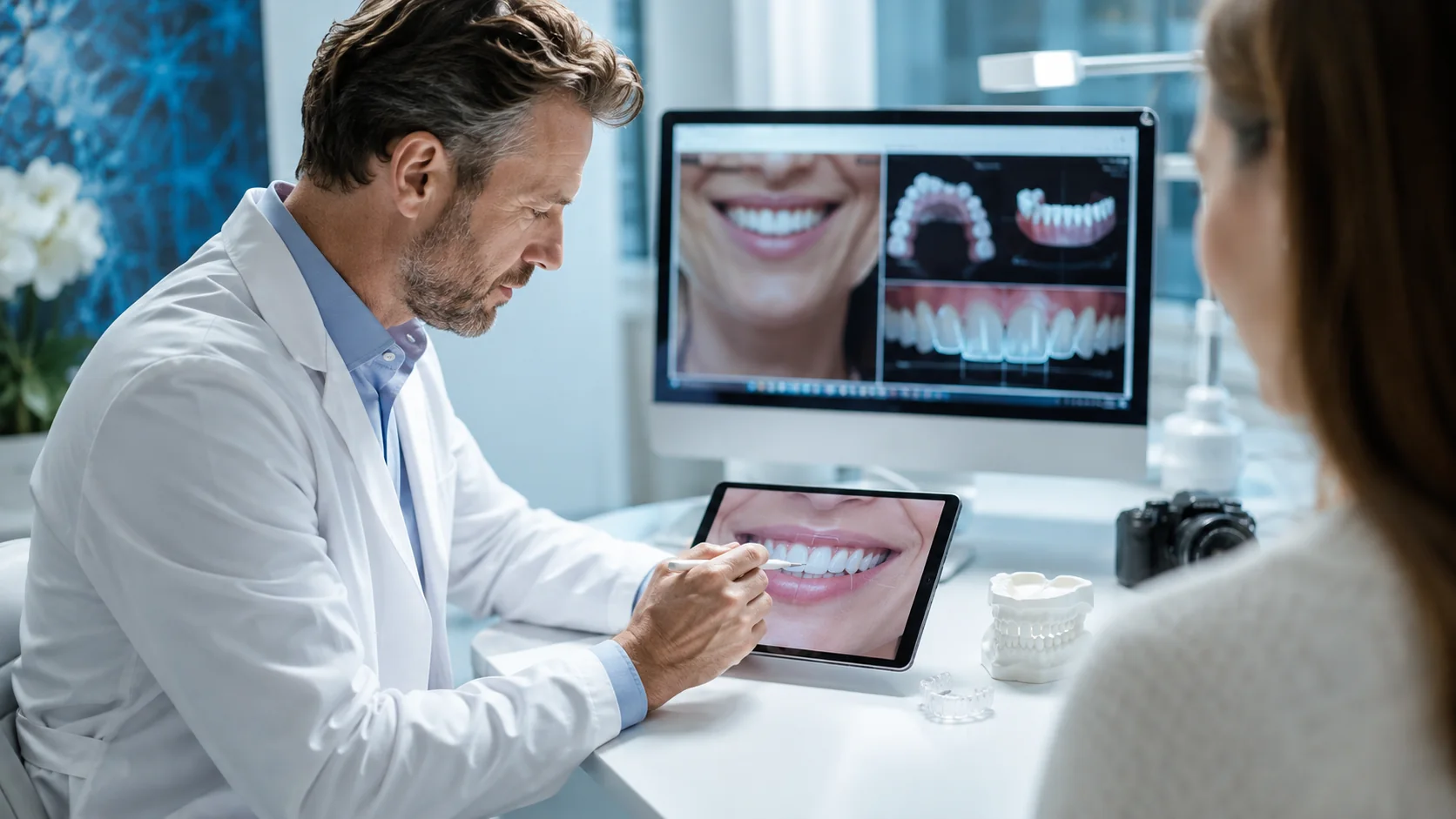
Every new patient arrives with a different dental history. Some people have stayed consistent with routine care, while others are returning after several years or changing dentists because they have a specific concern.
The first goal is understanding that history rather than assuming everyone needs the same appointment. Dr. Reeves can evaluate the current condition of your teeth and gums, listen to what you have noticed and determine what information is needed before recommendations are made.
A preventive visit may look different from an appointment for a broken tooth or a consultation involving several restorative or cosmetic concerns. The reason for your visit helps shape what deserves attention first.
Patients do not usually think in terms such as restorations, occlusion or periodontal disease. They notice that something hurts, a tooth feels rough, their gums bleed, an old crown feels different or they no longer like something they see when they smile.
Those observations are useful. You can describe the problem in ordinary language and let the examination determine what is actually happening.
You may also have no particular problem at all. Establishing routine care before something becomes uncomfortable is an equally reasonable reason to schedule.
The examination can translate what you notice into the dental information needed to plan appropriate care.
Your medical and dental history provide context for the examination. Medications, previous dental treatment, current health conditions and past experiences with dentistry can all influence the way care is planned.
Completing your new-patient information before the appointment can make that conversation more efficient. The purpose of the paperwork is not simply administrative; it gives Dr. Reeves information that may matter when evaluating your dental health.
Reeves provides patient forms for dental history, medical history, patient information and privacy information before the first visit.
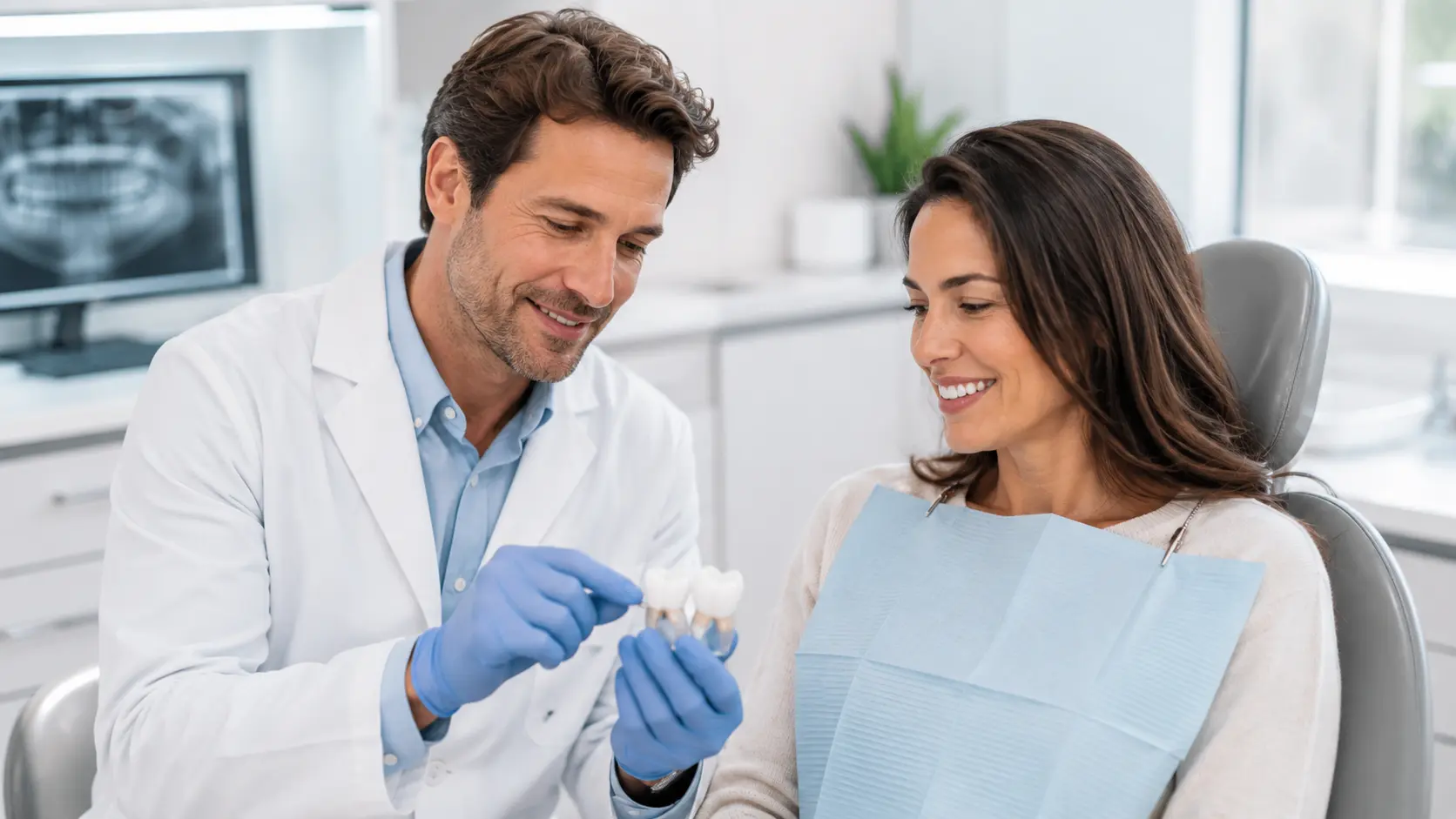
Bring or be prepared to provide an accurate list of current medications. Medications and medical conditions can affect the mouth and can also influence decisions surrounding dental treatment.
If you plan to use dental benefits, having your current insurance information available helps the office review the plan correctly. Benefits vary considerably, so coverage should be understood as part of the financial conversation rather than as the diagnosis itself.
Existing X-rays, treatment history or records from another dental office can provide useful context when they are available. You do not need to understand every previous procedure before sending those records.
If several things have been bothering you, write them down or bring them with you. A small concern can be easy to forget once an appointment begins, particularly when several other topics need to be discussed.
Moving, changing insurance, changing schedules or simply wanting a different dental relationship can all lead someone to find a new dentist. Your previous dentistry still matters even though the office providing your care has changed.
Records from a previous dentist can help establish that history when they are available. Old X-rays, information about crowns or implants and previous treatment plans can sometimes provide useful comparison points rather than forcing every observation to begin without context.
If records are unavailable, that does not mean you should postpone contacting Reeves. The office can help determine what information is needed for your current care.
Dental health includes the teeth, gums, existing restorations, bite and the tissues throughout the mouth. What deserves closer attention depends on the patient’s history, symptoms and what Dr. Reeves sees during the examination.
Existing dentistry matters too. Fillings, crowns, bridges, veneers and implants should be evaluated according to their current condition rather than assumed to need replacement simply because they have been there for years.
Sometimes the examination identifies something that needs treatment. Other times it confirms that an area can simply continue being monitored.
An exam should distinguish healthy, stable dentistry from areas that have changed or genuinely need attention.
Dental imaging can reveal information that is not visible during an examination alone. The images needed can vary depending on the patient’s dental history, previous records, symptoms and the type of treatment being considered.
A new patient does not necessarily need every possible image simply because it is the first appointment. Dr. Reeves can determine which records are appropriate for understanding your current dental health and planning care.
Previous images may also be useful when they are recent enough and show the areas that need evaluation.

For patients establishing routine care, examinations and cleanings provide more than a single snapshot in time. Continuing visits create a history that allows Dr. Reeves to compare changes in tooth structure, gums and existing restorations over the years.
That continuity can become valuable long before complicated dentistry is necessary. Knowing what has remained stable can be just as useful as recognizing what has begun to change.
Preventive care therefore becomes the foundation of the larger dental relationship rather than simply the appointment that happens between bigger procedures.
Routine visits establish a baseline that helps Dr. Reeves recognize meaningful change over time.
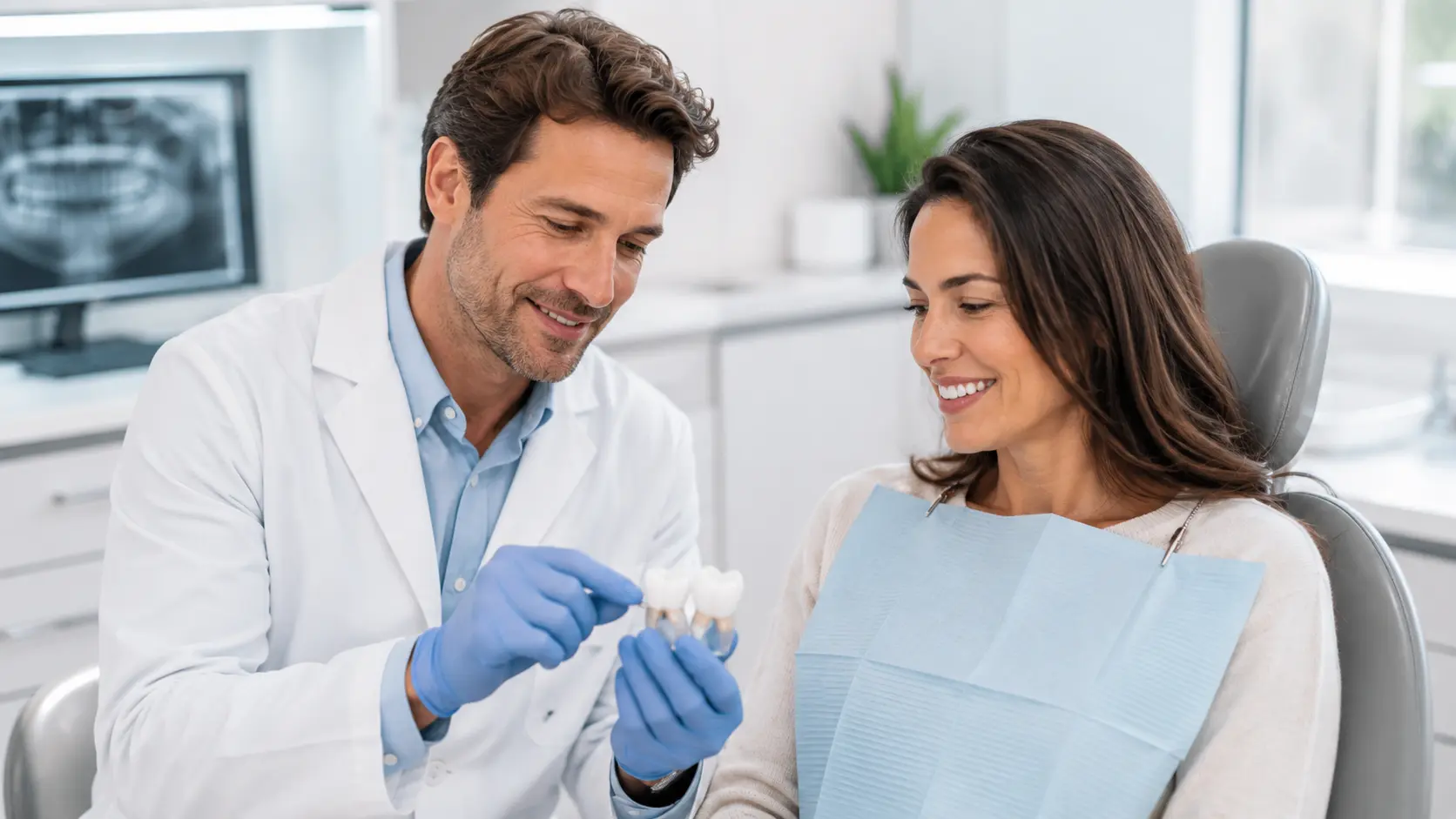
Some people begin with Reeves because they need a new dentist. Others begin because a tooth has broken, something hurts or an existing restoration has become a problem.
The immediate concern may need to be evaluated before routine care becomes the priority. Dr. Reeves can focus first on understanding the problem that brought you in and then determine what additional care should follow.
Once the urgent issue is understood, the broader dental picture can still become part of future care.
Some new patients arrive with a single issue. Others already know that several teeth, old restorations, missing teeth or cosmetic concerns may eventually need attention.
Larger treatment plans become easier to understand when the problems are separated into priorities. What needs attention soon, what can be monitored and what is elective do not have to be treated as though they carry the same urgency.
When the clinical situation allows it, treatment may also be approached in stages. The first step is understanding the complete picture before deciding on the sequence.
A larger plan becomes easier to understand when each problem has a clear priority instead of feeling like everything has to happen at once.
A treatment plan is more useful when the patient understands the problem behind it. Reeves has long emphasized educating patients about available options as part of its comprehensive-care philosophy.
Dr. Reeves can explain what he sees, what the treatment is intended to accomplish and what reasonable alternatives may exist. The decision should feel connected to the condition of your teeth rather than appearing as a list of procedures without context.
Sometimes more than one approach can be reasonable. Understanding the differences allows you to participate meaningfully in that decision.
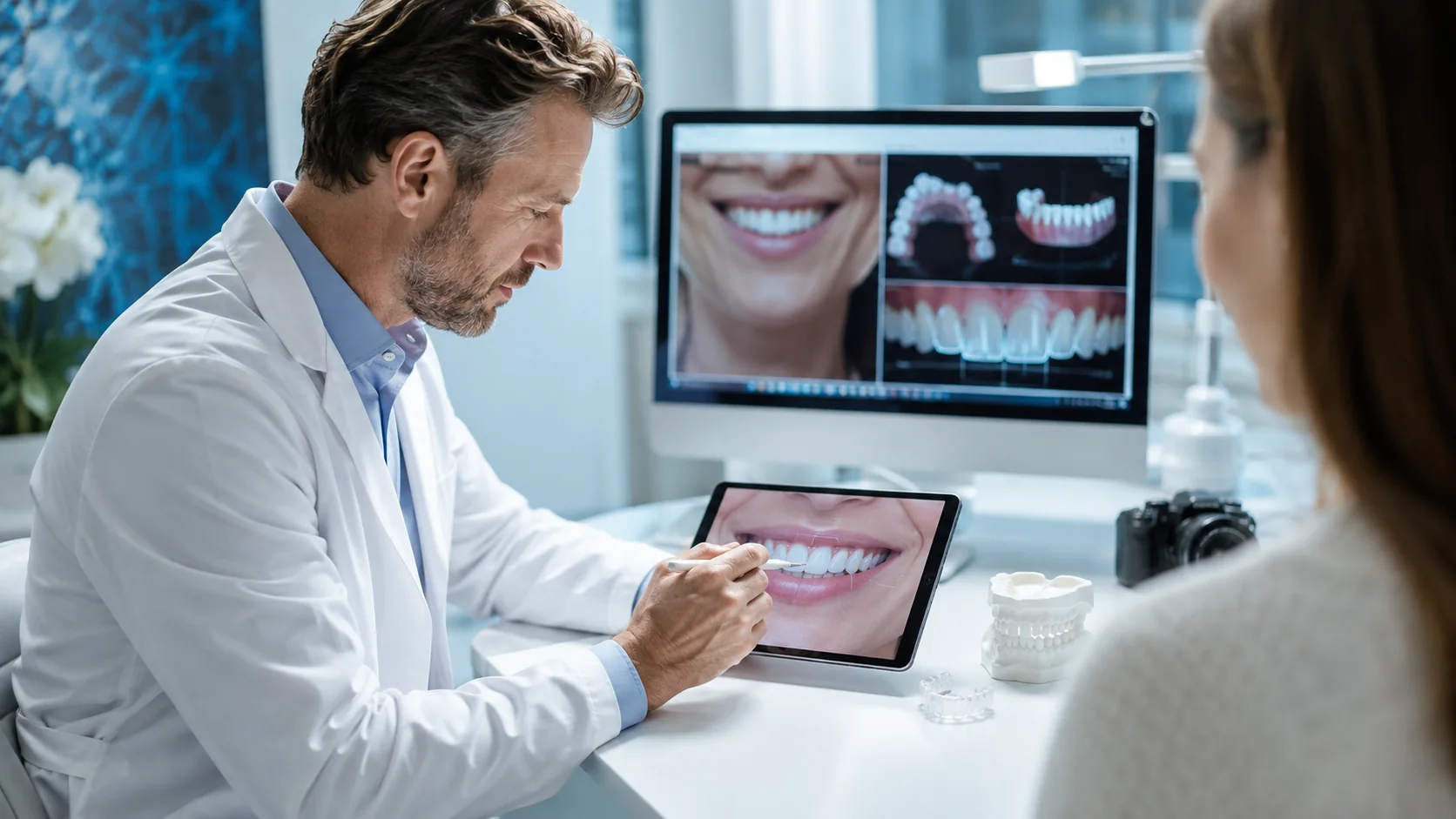
A new dental relationship may begin with routine care and remain simple for years. It may also eventually involve a damaged tooth, missing teeth or a cosmetic concern that requires a different kind of planning.
Reeves provides family, cosmetic and restorative dentistry from the same Greystone practice. That allows changing dental needs to be considered within the context of the same broader history rather than treating every new problem as an unrelated event.
When specialty care is appropriate, referral can still become part of that comprehensive plan.
Routine care, cosmetic concerns and restorative problems can all be considered within the same long-term dental relationship.
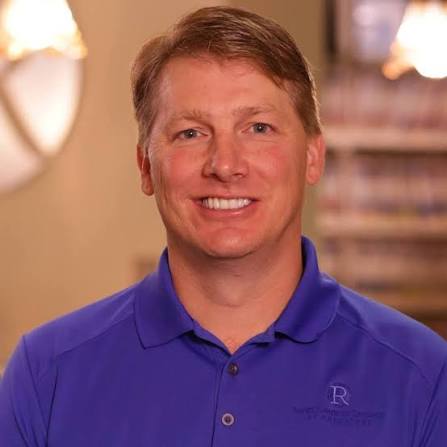
Dr. Todd Reeves established the Greystone practice in 1997 after earning his dental degree from UAB in 1995. His decades of comprehensive care and additional cosmetic-dentistry education have helped shape the Reeves approach to health, function and appearance.

Dr. Coleman Reeves earned his dental degree from UAB and now practices alongside his father. His restorative focus includes crowns, dental implants and full-arch treatment, adding another generation of Reeves dentistry to the same practice.
The two doctors bring different experience and clinical emphasis without dividing care into artificial categories. Your dental needs determine which perspectives become most useful.
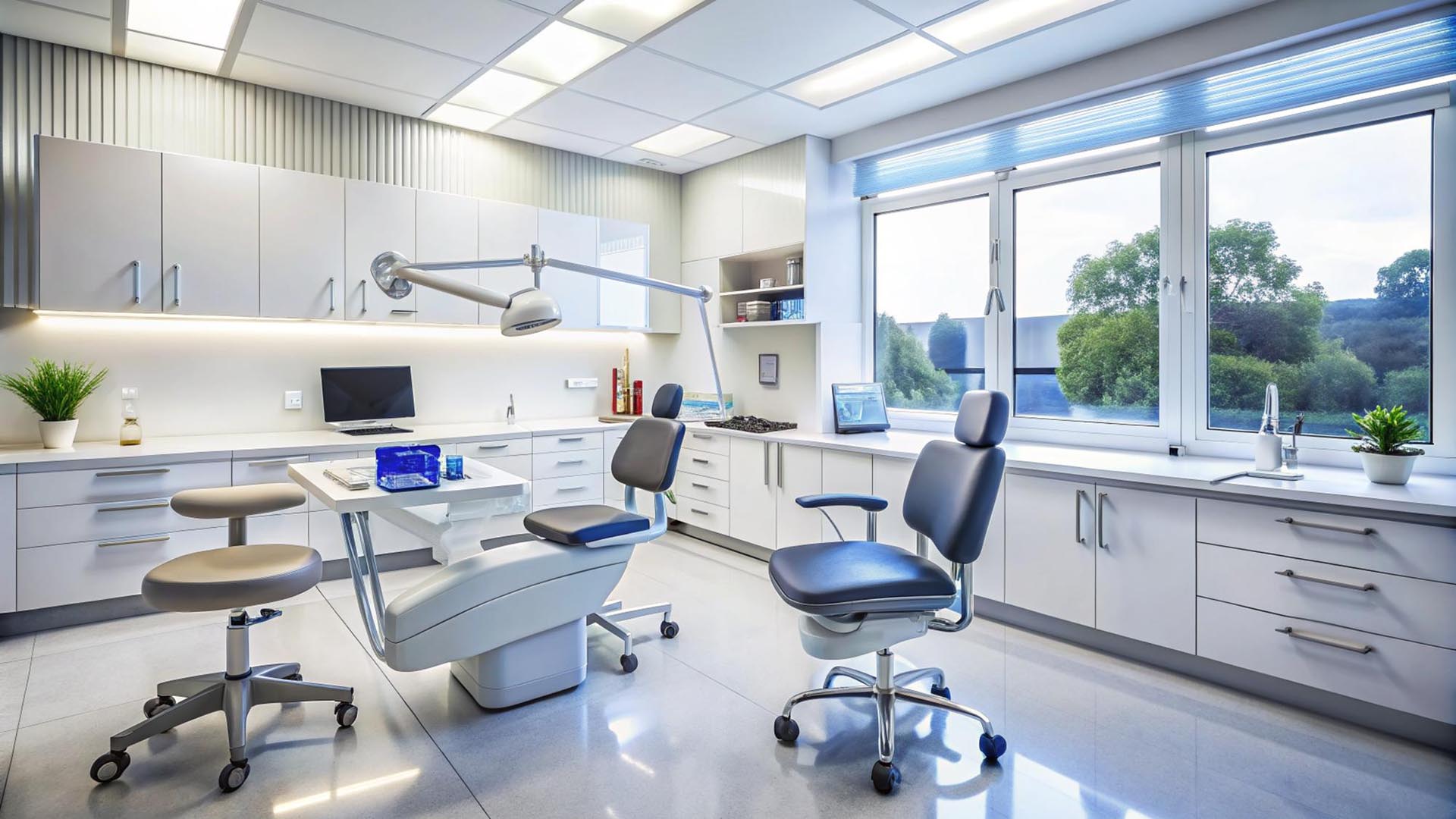
Dental needs change significantly with age, previous treatment and health history. A child coming for preventive care and an adult managing decades of existing restorations obviously do not require identical dentistry.
Reeves provides preventive and family care for both children and adults. Having several members of a family within the same practice can make routine dental care easier to coordinate while still treating every person as an individual patient.
Each person’s examination and treatment recommendations remain based on that patient’s own needs.
Dental insurance plans differ in deductibles, annual maximums, covered procedures and the percentage a plan contributes toward treatment. Two patients receiving similar dentistry can therefore have very different insurance benefits.
The clinical recommendation should still begin with the dental condition. Once treatment is understood, the office can help review available benefits so the financial portion of the plan is easier to understand.
Bring your current insurance information if you plan to use dental benefits. That gives the team the most accurate information available when discussing estimated coverage.
Insurance can influence the financial plan, but it should not determine which dental condition is present or which treatment is clinically appropriate.
Some treatment plans are straightforward enough to complete in one stage, while others may involve more extensive restorative or cosmetic care. Understanding the financial side before treatment begins can make larger decisions easier to plan.
Reeves currently offers CareCredit as a financing option. Financing should make an appropriate treatment plan easier to manage rather than determine which diagnosis is made.
Our office can discuss current payment and financing options when treatment is recommended.

People fall out of routine dental care for all kinds of reasons. Work, family responsibilities, finances, anxiety, moving or simply time passing faster than expected can turn one missed appointment into several years.
The useful question is where your dental health stands now. An examination can establish the current condition of the teeth and gums and separate what genuinely needs attention from what may simply need routine maintenance again.
You do not need to repair your entire dental history before making the appointment. Scheduling the visit is how the current picture begins to become clear.
The examination is there to establish the current condition and priorities, not to turn the time since your last visit into the focus of the appointment.
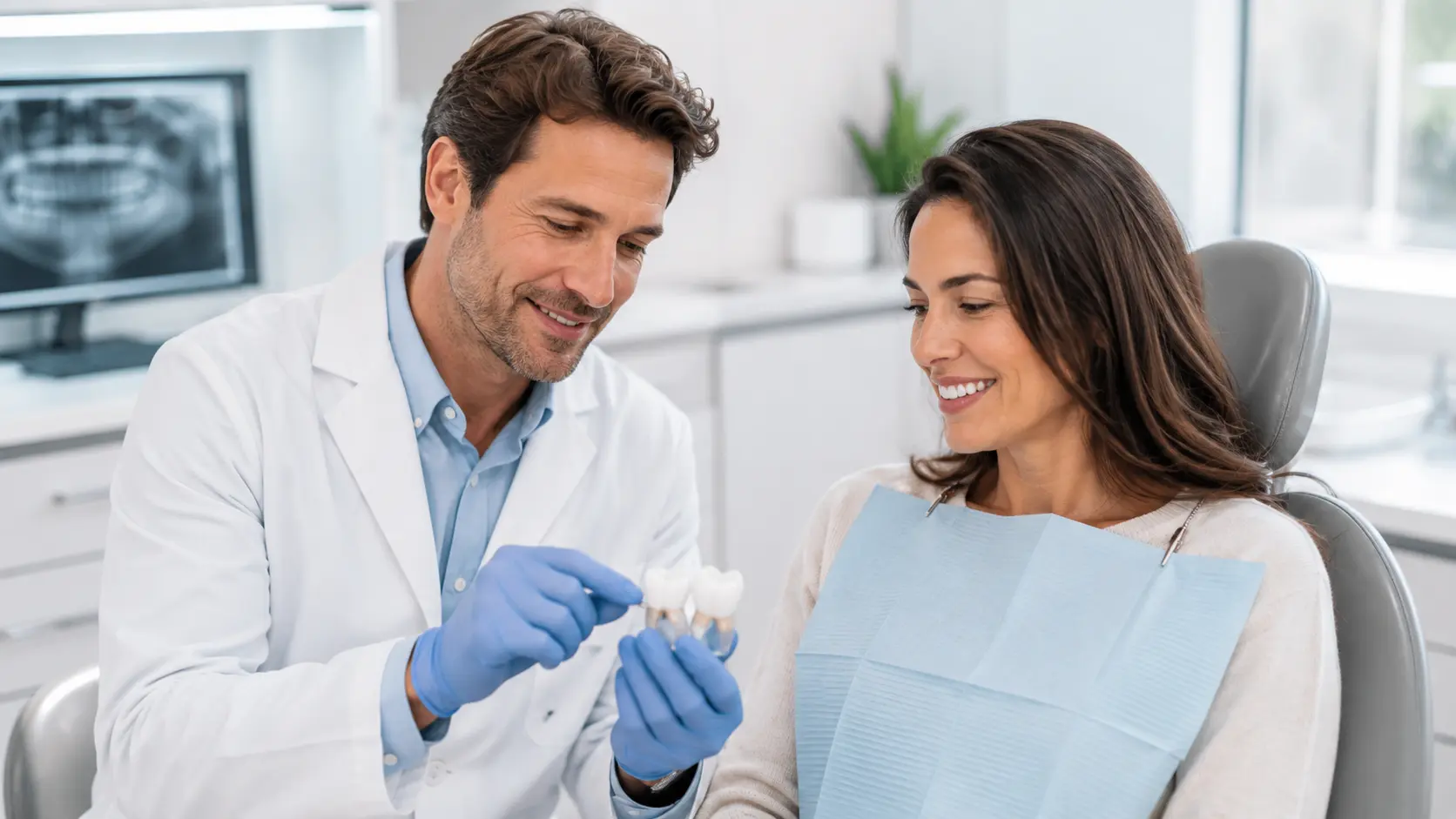
Uncertainty can make a dental problem feel larger than it actually is. A patient may imagine that every worn filling or sensitive tooth will lead to extensive treatment when the examination may reveal a much more manageable situation.
Knowing what is happening creates options. Even when significant dentistry is needed, identifying the problems and understanding their priorities gives you something concrete to work with.
The appointment does not obligate you to complete every possible treatment immediately. It gives you the information needed to decide what happens next.
Reeves Cosmetic Dentistry is located at 8040 Hugh Daniel Drive in Birmingham, Alabama 35242, in the Greystone area near the Highway 280 corridor. The practice provides preventive, cosmetic and restorative dental care from the same Birmingham office.
If you are looking for a new dentist, you do not have to decide exactly what kind of appointment you need before contacting us. Tell the office whether you are establishing routine care, dealing with a specific problem or interested in discussing a larger treatment goal, and the visit can be scheduled accordingly.
8040 Hugh Daniel Drive
Birmingham, AL 35242
(205) 991-9997
Monday–Thursday, 8:00 AM–5:00 PM
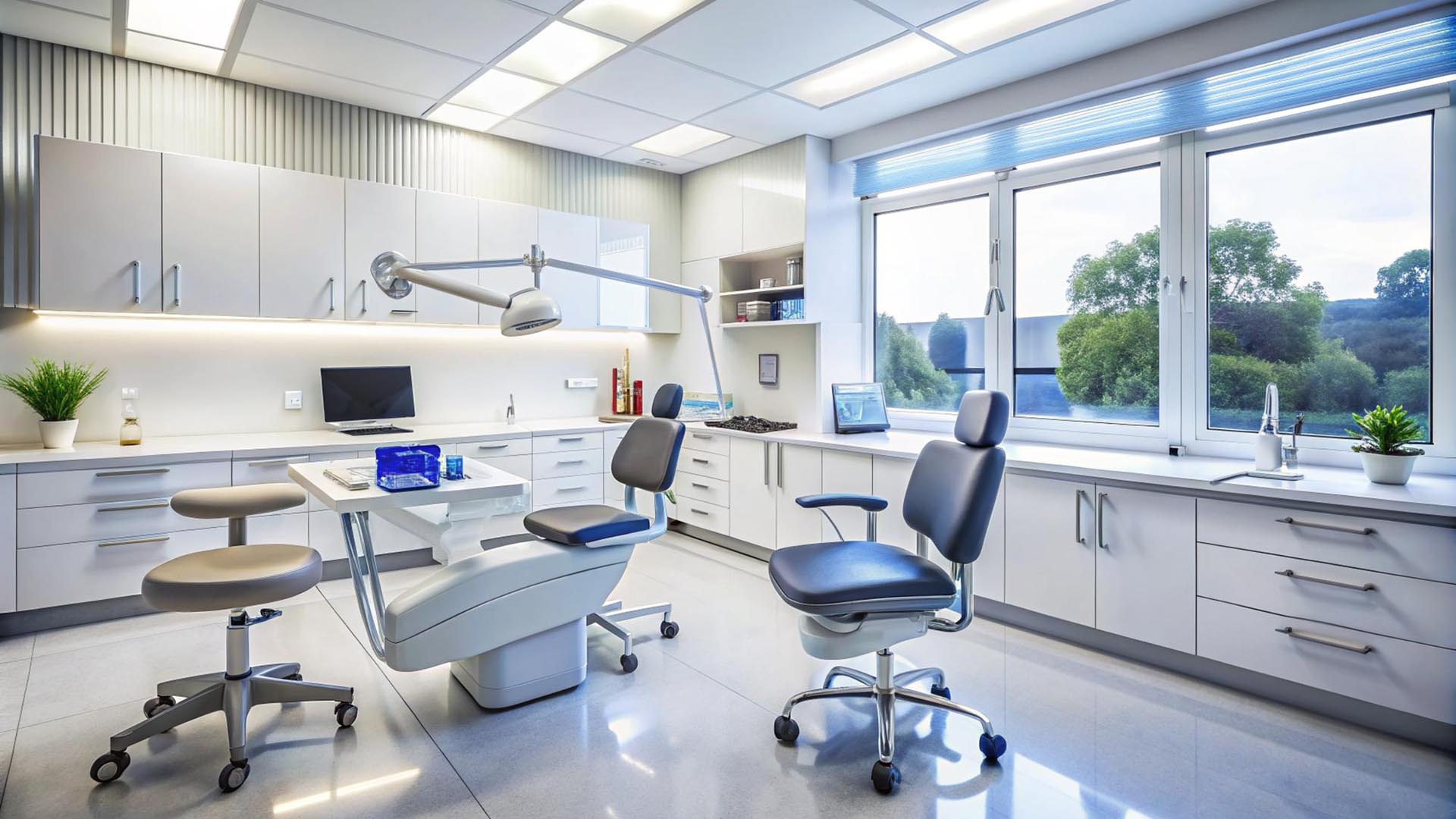
Prospective patients can contact Reeves directly to discuss current appointment availability. You can request an appointment online or call the Greystone office at (205) 991-9997.
The visit begins with understanding your dental and medical history along with the reason you scheduled. The examination and records needed can then be based on your current needs rather than assuming every new patient requires an identical visit.
Reeves provides patient forms to collect dental history, medical history and patient information. Completing those forms before the first visit can help the team understand your health history and make the appointment more efficient.
Yes. Patient forms are available before your first visit so you can provide your information in advance.
Bring your current medication information, dental insurance details if you intend to use benefits and any previous dental records you have available. It can also help to bring a list of questions or concerns you want to make sure are discussed.
Previous records can be helpful because they provide dental history and comparison information. If you do not have them available, contact Reeves and the office can help determine what information is needed for your current appointment.
Previous dental images can sometimes provide useful information depending on their age and what they show. Dr. Reeves can determine whether additional imaging is needed for your current care.
That depends on your existing records, dental history, symptoms and the areas that need evaluation. Imaging should be selected according to what information is clinically useful rather than simply because you are a new patient.
A patient establishing routine preventive care may be scheduled differently from someone coming in with pain, gum concerns or more complicated dental needs. The condition of the mouth and the reason for the visit determine what is appropriate.
You can still schedule without knowing how much treatment you may need. The examination provides a starting point and helps separate immediate needs from problems that can be monitored or addressed over time.
Tell the office what is happening when you schedule. The immediate problem may need to be evaluated before routine preventive care becomes the priority.
Yes. A cosmetic consultation can begin with what you would like to change, while the examination determines which options are appropriate for your teeth and dental health.
Yes. Reeves provides preventive and family dental care for both children and adults.
Reeves provides care for children and adults, so several members of a family can establish care within the same practice. Every patient still receives recommendations based on individual dental needs.
Dr. Todd Reeves and Dr. Coleman Reeves practice together in the Greystone office. They bring two generations of dental training and experience to the same comprehensive practice.
Both doctors practice at Reeves Cosmetic Dentistry. Scheduling and the nature of your dental needs can influence which doctor is most involved in a particular appointment or treatment plan.
Yes. Cosmetic dentistry is an important part of Reeves and includes options for patients concerned about tooth color, shape, proportions and other aspects of their smiles.
Yes. Restorative dentistry addresses damaged, decayed or missing teeth through treatment appropriate to the individual condition.
Dental implants are included within the practice's restorative services. Whether implant treatment is appropriate depends on the patient's dental condition and the broader restorative plan.
Dental benefits vary significantly between plans, so patients should provide current insurance information to the office. The team can help review available benefits in connection with recommended treatment.
Yes. Reeves currently offers CareCredit as a financing option.
Not necessarily. The urgency and sequence depend on the dental condition, and some treatment can be phased when doing so remains clinically appropriate.
Bring any information or records you have regarding the recommendation you were given. Dr. Reeves can evaluate the current condition and explain what treatment options appear appropriate based on that examination.
No. Tell the office what problem, concern or goal brought you in, and the appointment can begin by determining what is actually happening.
Reeves Cosmetic Dentistry is located at 8040 Hugh Daniel Drive in Birmingham, AL 35242, in Greystone near Highway 280. The office can be reached at (205) 991-9997.
Maybe you just moved to Birmingham, have not had a dental visit in a while or simply want a new dentist who can handle both routine care and more involved treatment if your needs change. You may also already know that something is wrong and want to understand what your options are.
The first appointment is where that uncertainty becomes information. Dr. Todd Reeves or Dr. Coleman Reeves can evaluate where things stand, explain what deserves attention and help separate immediate needs from treatment that can wait or may not be necessary at all.
You do not need the right dental vocabulary and you do not need to arrive knowing the procedure you need. Bring the questions you have and let the examination provide the starting point.
Request an appointment online or call the Greystone office directly.

Personalized cosmetic, restorative, implant and family dentistry in Greystone, Birmingham, Alabama.
Copyright © 2027 All Rights Reserved.