
Greystone, Birmingham•Serving patients since 1997

Healthy teeth depend on more than the enamel you can see. The gums and bone around those teeth form the supporting foundation, and changes in that foundation can progress even when an individual tooth does not hurt.
Dr. Todd Reeves and Dr. Coleman Reeves provide periodontal evaluation and gum disease care from Reeves Cosmetic Dentistry in Greystone. Treatment begins by understanding the condition of the gums, the amount of support around the teeth and whether the problem is limited inflammation or a more established form of periodontal disease.
The important distinction is diagnosis before treatment. Bleeding gums, deeper periodontal pockets and bone loss do not all represent the same stage of disease, so they should not all receive the same treatment.
The periodontal findings determine whether care belongs in prevention, periodontal therapy or specialist treatment.
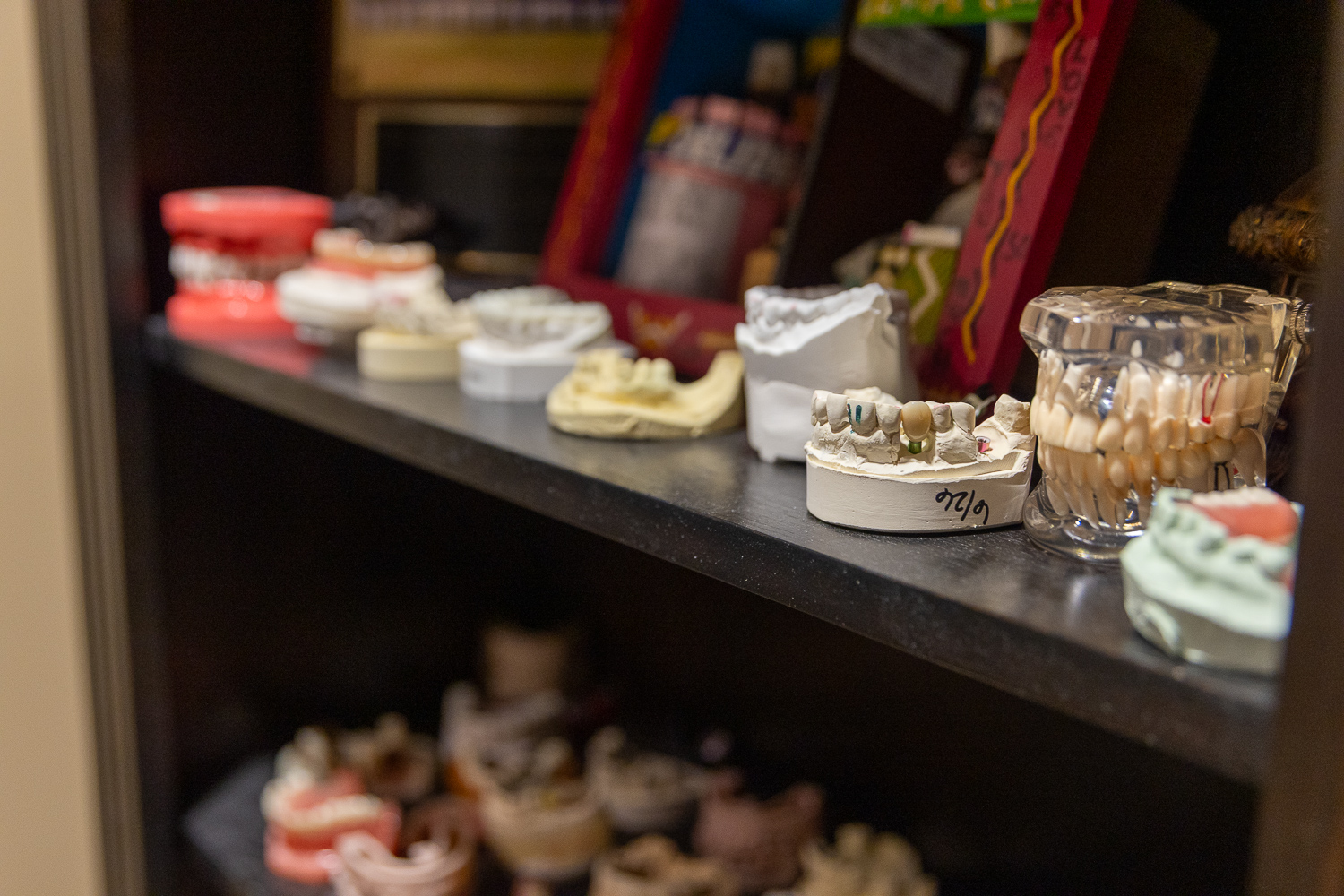
The tissues around a tooth help hold that tooth in place. Periodontal disease becomes more significant when inflammation is accompanied by loss of attachment or supporting bone around the teeth.
That difference matters because early gum inflammation and established periodontitis are not interchangeable diagnoses. The condition of the supporting tissues determines what level of periodontal care is appropriate.
The goal is not merely to make the gums stop bleeding temporarily. The larger objective is to control the disease process and create conditions that can be maintained over time.
Gingivitis is inflammation of the gums without the attachment and bone loss that define periodontitis. The gums may appear red or swollen and can bleed, but the deeper support around the teeth has not necessarily been permanently damaged.
Periodontitis involves destruction of the tissues that support the teeth, including periodontal attachment and potentially bone. The disease can vary considerably in severity and extent, which is why treatment has to follow the individual findings rather than the presence of bleeding alone.
Controlling gingival inflammation before deeper periodontal destruction occurs is preferable to waiting until the supporting structures around the teeth have been affected. —
Gingivitis and periodontitis require different clinical interpretation because the supporting attachment and bone matter.
Bleeding during brushing or cleaning between the teeth deserves attention, particularly when it occurs repeatedly. Bleeding can reflect inflammation, but the examination is needed to determine how much of the supporting periodontal tissue is involved.
Inflamed gum tissue may look redder, fuller or more sensitive than usual. Those changes can occur with gingivitis or alongside a more established periodontal problem.
Recession exposes more of the tooth or root surface and can have several possible causes. It should be evaluated in context rather than automatically assumed to mean advanced periodontal disease.
Persistent odor can have several oral and non-oral causes. Plaque accumulation and periodontal inflammation can contribute, but bad breath alone is not enough to diagnose gum disease.
Changes in tooth stability or position can be significant when periodontal support has been lost. A tooth that feels mobile deserves evaluation rather than waiting for the change to become more pronounced.
Periodontal support influences how teeth function within the mouth. A change in how the teeth meet may have several explanations and should be considered with the rest of the periodontal examination. —
Patients often expect dental disease to announce itself through pain. Periodontal disease can progress without producing the type of discomfort that would automatically send someone to the dentist.
That makes routine periodontal evaluation important. A lack of pain does not tell Dr. Reeves how much attachment or bone support remains around a tooth.
The condition has to be evaluated directly rather than estimated from symptoms alone.
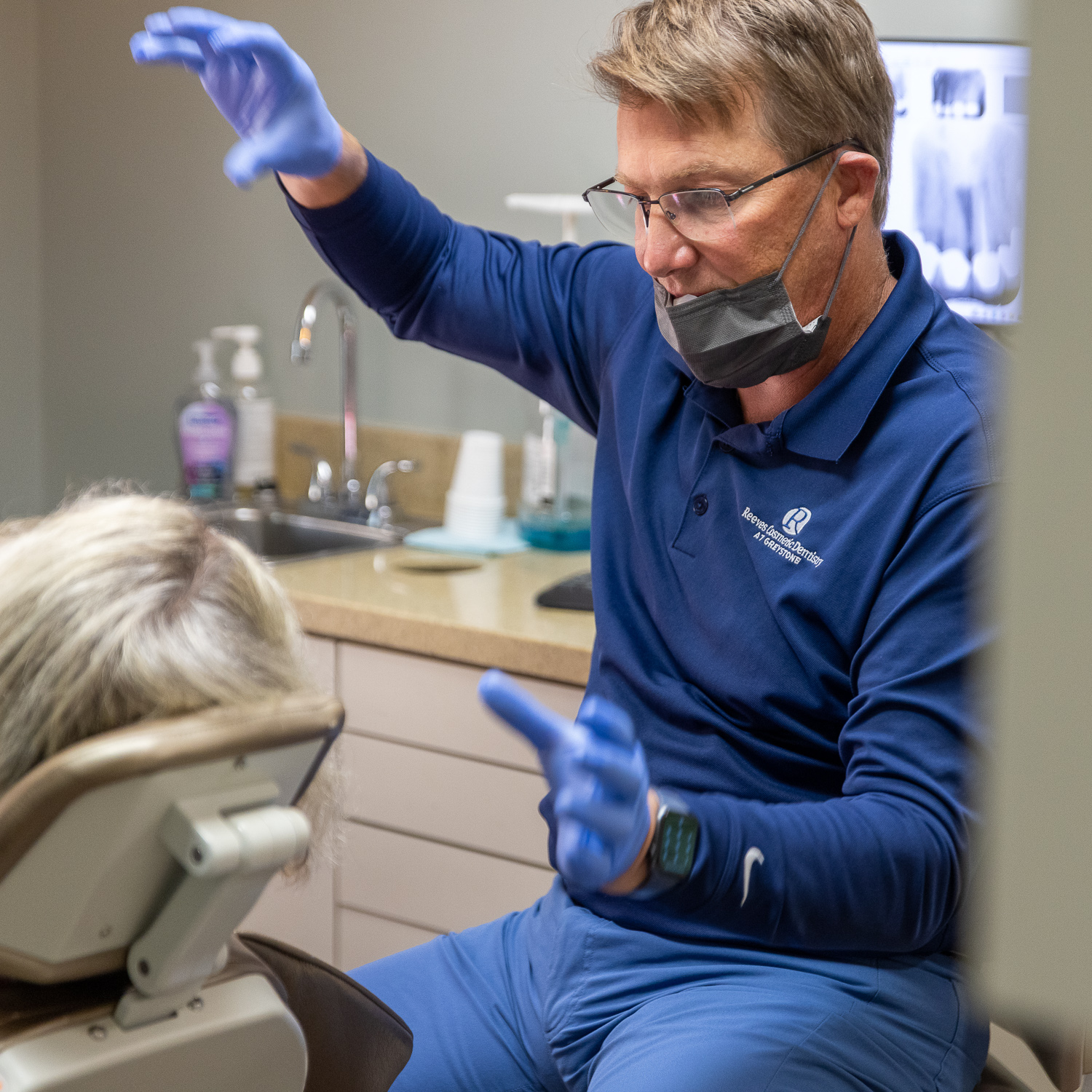
The periodontal examination can include the appearance of the gums, bleeding, recession and measurements of the spaces between the teeth and gums. Those measurements help provide information about periodontal pocket depth and the condition of the supporting tissues.
Dr. Reeves may also consider tooth mobility, existing dental work and other clinical findings. Dental radiographs can be useful when information about the supporting bone is needed and imaging is clinically indicated.
Modern periodontal diagnosis also considers how severe and widespread the disease appears and which factors may influence future progression. The objective is to understand the pattern of disease rather than attach one treatment to everyone who has bleeding gums.
Pocket depths, bleeding, attachment levels, bone support and risk factors are interpreted together before treatment is chosen.
A shallow space naturally exists where the gum meets the tooth. With periodontal disease, that space can deepen as inflammation and loss of supporting attachment change the relationship between the gum and the tooth.
Deeper areas can become more difficult to maintain with ordinary brushing and cleaning between the teeth. Plaque biofilm and calculus below the gumline may then require professional periodontal treatment rather than a routine preventive cleaning.
Pocket depth has to be interpreted alongside bleeding, attachment levels, bone support and the rest of the periodontal examination. —
A preventive dental cleaning is intended for a mouth that does not require active periodontal therapy. It removes plaque and calculus as part of maintaining oral health and continuing preventive care.
Periodontal treatment addresses disease affecting the tissues around the teeth. When deposits and bacterial biofilm extend below the gumline into deeper periodontal areas, treatment may need to reach surfaces that a routine preventive cleaning is not intended to treat.
A “deep cleaning” is not simply a better version of a regular cleaning. It is periodontal treatment used when the diagnosis supports a different level of care.
A routine preventive cleaning and active periodontal therapy solve different clinical problems.
Scaling and root planing is a nonsurgical periodontal treatment used for periodontitis when deeper cleaning below the gumline is clinically indicated. Scaling removes plaque and calculus from tooth and root surfaces, while root planing addresses affected root surfaces to create a cleaner environment for periodontal healing.
The American Dental Association’s evidence-based clinical guideline supports scaling and root planing as an initial nonsurgical treatment for periodontitis. The appropriate treatment still depends on the individual patient, the involved sites and the overall periodontal diagnosis.
Scaling and root planing is evidence-based nonsurgical periodontal care when the clinical findings support it. It is not automatically the right treatment for every patient with bleeding gums.
The purpose of treatment is to disrupt and remove disease-associated plaque biofilm and calculus from areas that cannot be adequately maintained at home. Treatment also aims to create an environment around the teeth that the patient and dental team can maintain more predictably.
That makes home care part of periodontal therapy rather than something separate from it. Professional treatment can address deposits below the gumline, but long-term control still depends on what happens between dental visits.
A successful periodontal plan therefore includes both treatment and a realistic strategy for maintaining the result.
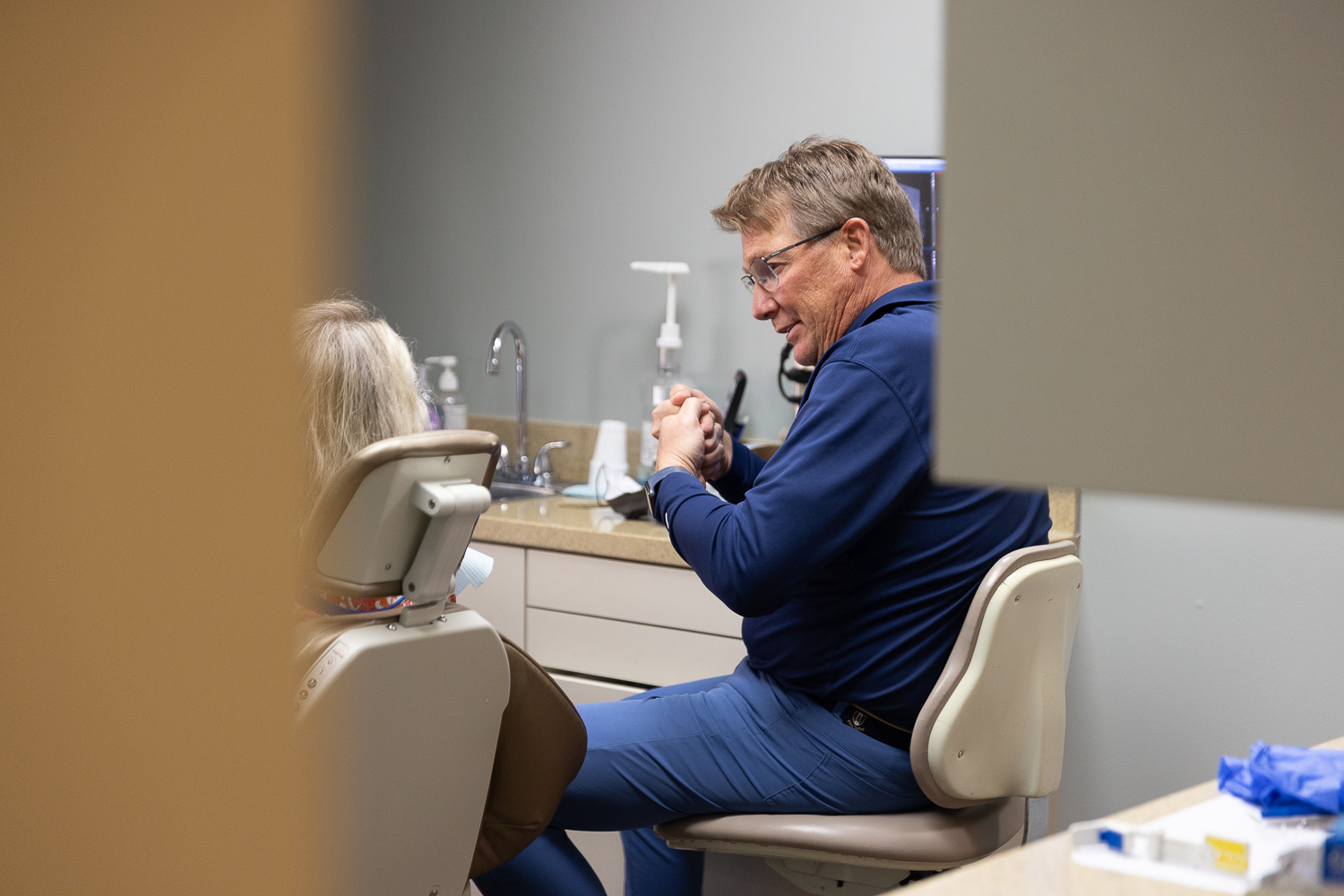
Initial periodontal treatment is not the end of the diagnostic process. The tissues need time to respond before Dr. Reeves can judge how the gums and periodontal pockets have changed.
Follow-up can include reassessing bleeding, pocket depths, home plaque control and other findings that mattered at the original examination. The next step should depend on how the tissues actually respond rather than assuming that one round of treatment finishes every periodontal problem.
Some areas may improve enough to move into continuing periodontal maintenance. Persistent or more complex disease may require additional treatment or specialist evaluation.
Reassessment helps show whether the tissues are stabilizing, whether maintenance is appropriate or whether additional care is needed.

Once periodontitis has been treated, the mouth may require an ongoing periodontal maintenance schedule rather than returning automatically to ordinary preventive cleanings. These visits are intended to help control plaque and calculus above and below the gumline while monitoring previously affected areas for recurrence or progression.
The interval should reflect the individual’s periodontal condition and risk. A history of periodontitis remains relevant even when the gums are responding well.
Maintenance is therefore part of long-term disease management rather than evidence that treatment was unsuccessful.
Many periodontal needs can be evaluated and managed within general dental care. More advanced, complex or nonresponsive periodontal disease may benefit from evaluation by a periodontist, a dentist who has additional specialty training in the prevention, diagnosis and treatment of periodontal disease.
A referral can become appropriate when the disease requires a level of periodontal management beyond what should be handled within routine general practice. Surgical periodontal treatment, significant regenerative needs, complex recession or disease that is not responding as expected are examples of situations where specialty involvement may be considered.
Referral does not interrupt comprehensive care. It allows the right clinician to address the part of the periodontal problem that requires more specialized expertise while the patient’s broader dental care can remain coordinated with Reeves.
When a periodontal problem is advanced, complex or not responding as expected, specialist involvement can add the level of expertise the condition requires.
Nonsurgical therapy is an important initial approach for many patients with periodontitis. Some moderate or advanced cases may still require surgical access, regenerative procedures or other specialist periodontal treatment when deeper disease cannot be adequately managed nonsurgically.
Those procedures should be recommended because the periodontal findings justify them, not because every patient with gum disease eventually needs surgery. Dr. Reeves can evaluate the condition first and recommend periodontal specialty care when that level of treatment is appropriate.
The important point is that the treatment plan can change as the severity of the disease changes.
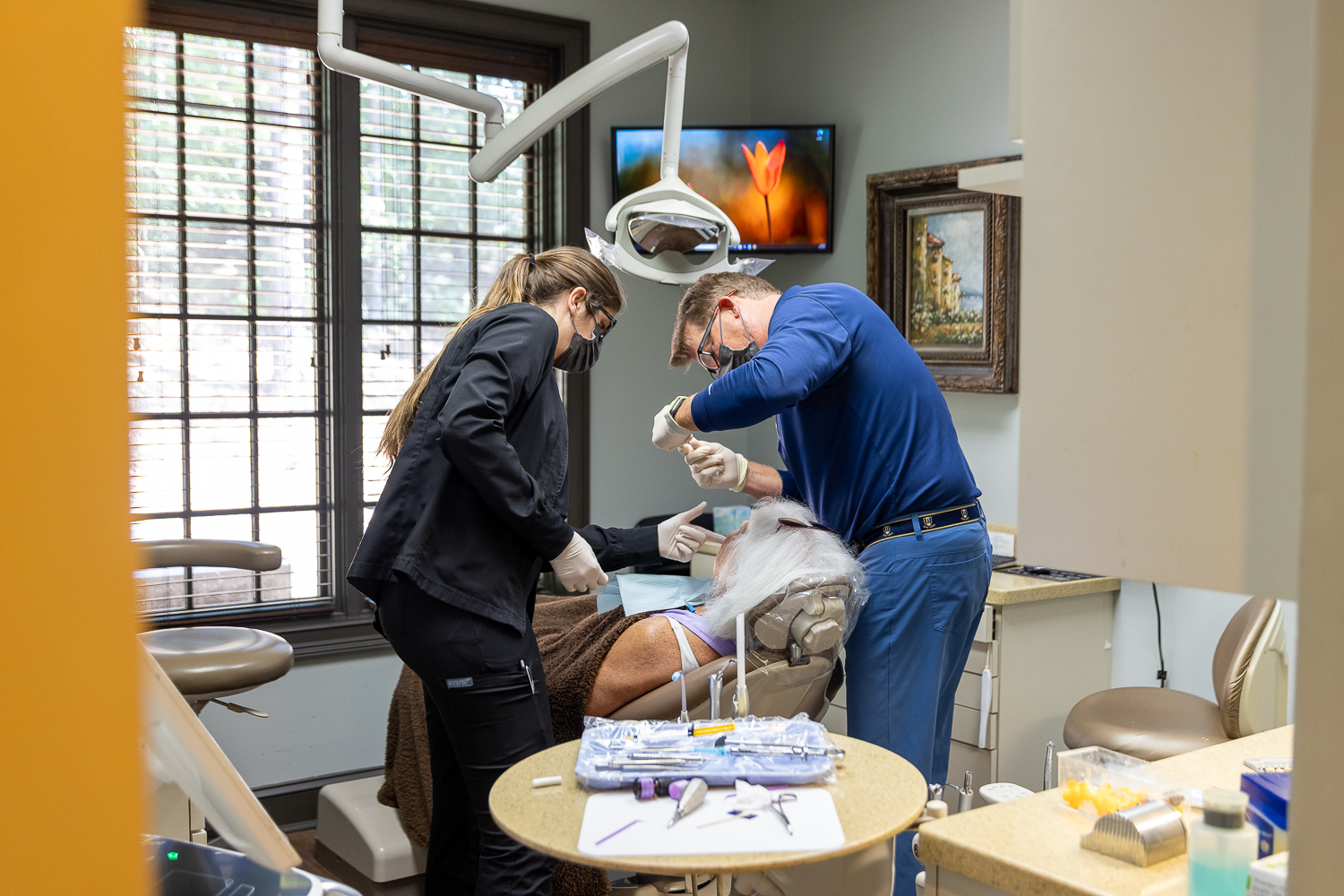
Smoking is an important periodontal risk factor and can influence disease progression and treatment response. Diabetes and glycemic control are also relevant considerations when periodontal risk and disease progression are being evaluated.
That does not mean every patient with one of these factors will develop the same periodontal problem. Medical history belongs in periodontal treatment planning because the condition of the patient can influence the condition of the supporting tissues.
Changes in health, medications and tobacco use are therefore worth discussing during periodontal evaluation and maintenance.
Smoking, diabetes, glycemic control, medications and other health factors can influence periodontal risk and treatment response.
Research has identified associations between periodontitis and several systemic conditions, including diabetes and cardiovascular disease. The strength of the evidence differs by condition, and an association does not automatically prove that gum disease directly causes another disease.
That distinction matters because periodontal care should not be sold with exaggerated medical promises. Treating gum disease is important because periodontitis damages the tissues supporting the teeth, and maintaining periodontal health is worthwhile on that basis alone.
The patient’s broader health history can still influence risk assessment and coordination of care when appropriate.
Periodontal health matters because periodontitis damages the tissues supporting the teeth. Broader health associations should be discussed accurately without exaggerated medical promises.

Periodontitis can lead to loss of attachment and bone around the teeth. As that support decreases, teeth can become more difficult to maintain and may eventually become mobile or unsalvageable in advanced cases.
That does not mean a diagnosis of gum disease automatically means teeth will be lost. The severity, distribution, response to treatment, risk factors and ongoing maintenance all influence the long-term picture.
Earlier evaluation gives Dr. Reeves more information and more opportunity to determine which areas can be stabilized and maintained.
Not necessarily. Gum recession can occur in association with periodontal disease, but it can also develop for other reasons and should be interpreted with the rest of the clinical examination.
What matters is why the tissue has receded, whether supporting attachment or bone has been lost and whether the exposed root creates sensitivity, aesthetic concerns or difficulty maintaining the area. The treatment for recession should follow its cause and severity rather than the appearance of the gumline alone.
More complex recession or situations that may benefit from soft-tissue grafting can be appropriate reasons for periodontal specialist evaluation.
The cause, amount of supporting tissue loss, symptoms and maintainability of the area all influence what treatment is appropriate.
Plaque biofilm begins forming again after professional care, which makes daily home hygiene essential to long-term periodontal management. Cleaning the teeth thoroughly and cleaning between them help reduce the bacterial buildup that contributes to continued inflammation.
The most appropriate techniques and tools can differ according to the patient’s teeth, restorations, dexterity and periodontal condition. A home-care plan works only if it can be performed effectively and consistently.
Periodontal treatment therefore includes helping the patient understand how to maintain the areas being treated rather than relying entirely on what happens in the dental office.
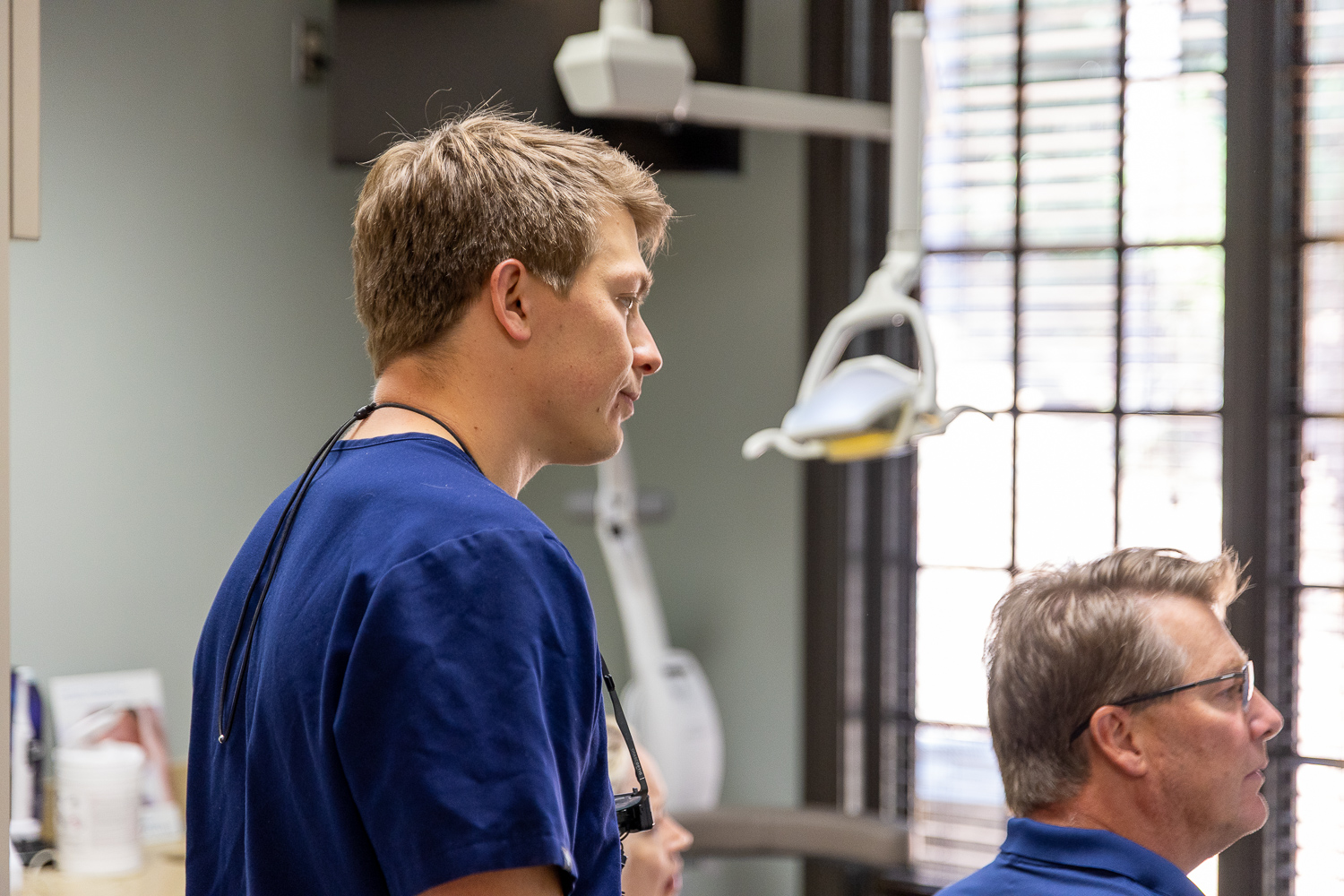

Dr. Todd Reeves established the Greystone practice in 1997 after earning his dental degree from UAB in 1995 and graduating second in his class. Decades of comprehensive care give him a long-term perspective on how periodontal health affects natural teeth and the restorative dentistry patients already have.

Dr. Coleman Reeves followed his father into dentistry after earning his dental degree from UAB. His restorative focus makes periodontal stability particularly relevant when future treatment may involve crowns, implants or more extensive restorative planning.
The gums do not exist separately from the rest of the mouth. Periodontal health influences how natural teeth are maintained and can also affect the foundation for future restorative treatment.
Bleeding gums do not automatically become one predetermined procedure. Dr. Reeves can evaluate the periodontal condition first and then recommend the level of care supported by the findings.
Routine exams and cleanings create opportunities to recognize changes in gum health. Periodontal therapy becomes appropriate when the condition has moved beyond ordinary preventive maintenance.
Periodontal disease can affect teeth that are untouched as well as teeth supporting crowns, bridges or other restorations. The treatment plan therefore considers the tissues and the dentistry they support.
Scaling and root planing is an established evidence-based initial nonsurgical treatment for periodontitis when clinically indicated. Treatment remains individualized rather than assuming that every periodontal patient needs the same procedure.
A general dental practice does not need to perform every level of periodontal treatment to provide comprehensive care. Complex or advanced cases can be referred to a periodontist when specialist expertise is the better fit.
Dr. Todd Reeves has practiced in Greystone since 1997. That continuity is particularly useful in periodontal care because changes in tissue health are often best understood over time.
There is no single fee that applies to every periodontal condition because the diagnosis determines the treatment. A patient needing limited periodontal care can have a very different treatment plan from someone with deeper pockets, widespread disease, more involved maintenance or a need for specialty periodontal treatment.
Dental insurance benefits can also vary according to the procedure and the individual plan. A meaningful estimate should follow the periodontal evaluation so the patient understands what is being recommended and why.
We currently offer CareCredit as a financing option. Current availability and financing terms can be confirmed directly with our office.
Current availability and financing terms can be confirmed directly with our office. A meaningful estimate can be provided after the periodontal evaluation clarifies the treatment being recommended.
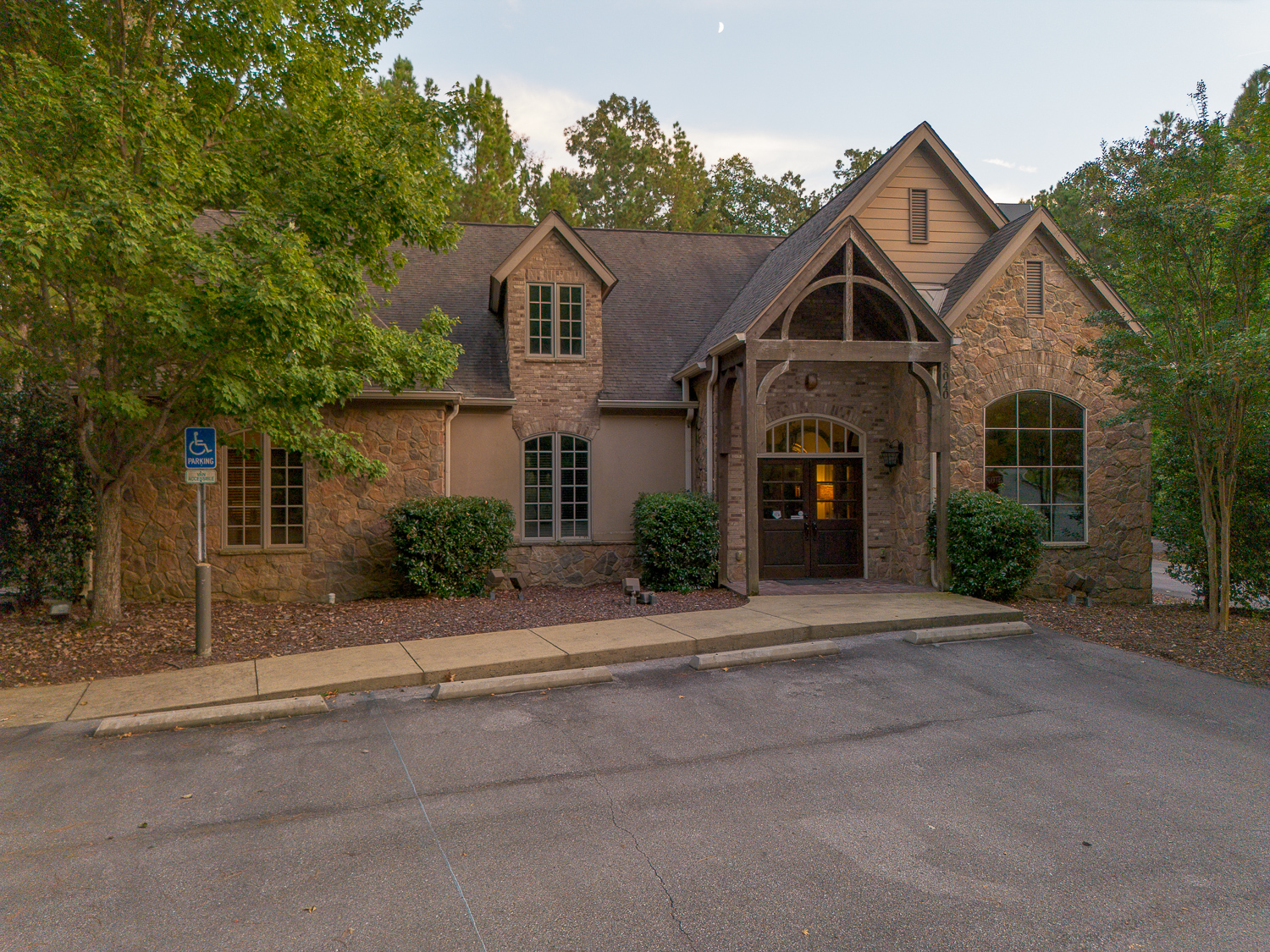
Reeves Cosmetic Dentistry is located at 8040 Hugh Daniel Drive in Birmingham, Alabama 35242, in the Greystone area near the Highway 280 corridor. Dr. Todd Reeves and Dr. Coleman Reeves provide preventive, periodontal and comprehensive dental evaluation from this location.
If you are concerned about bleeding gums, recession, gum inflammation or a previous diagnosis of periodontal disease, you do not need to know which treatment you require before scheduling. The examination comes first so Dr. Reeves can determine whether the condition belongs in preventive care, periodontal therapy or specialist periodontal treatment.
8040 Hugh Daniel Drive
Birmingham, AL 35242
(205) 991-9997
Monday–Thursday, 8:00 AM–5:00 PM
Gum disease is a broad term for inflammatory conditions affecting the tissues around the teeth. Gingivitis involves gum inflammation without the attachment and bone loss that define periodontitis, while periodontitis affects the deeper supporting structures.
Periodontal disease commonly refers to disease affecting the gums and supporting tissues around the teeth. Periodontitis specifically involves loss of periodontal attachment and potentially supporting bone.
Gingivitis is inflammation of the gums without periodontal attachment loss. Periodontitis involves destruction of the tissues supporting the teeth, which makes it a different and more significant diagnosis.
Repeated bleeding deserves evaluation rather than simply being accepted as normal. Bleeding can reflect inflammation, but the rest of the periodontal examination determines whether the problem is gingivitis, periodontitis or another condition.
Yes. Periodontal disease can be present and progress without producing significant pain, which is one reason periodontal examinations are valuable.
Periodontal pockets are deeper spaces that develop between the teeth and gums as periodontal attachment changes. They can allow plaque biofilm and calculus to remain below the gumline where ordinary home care cannot adequately reach.
Periodontal therapy is treatment directed at disease affecting the tissues supporting the teeth. The exact treatment depends on the diagnosis and can include nonsurgical care, continuing maintenance and specialist treatment when required.
Scaling and root planing is a nonsurgical periodontal treatment that removes plaque and calculus from tooth and root surfaces below the gumline and treats affected root surfaces. Evidence-based ADA guidance supports it as an initial nonsurgical treatment for periodontitis when clinically appropriate.
“Deep cleaning” is a common patient term for scaling and root planing. The important distinction is that scaling and root planing is therapeutic periodontal treatment rather than simply a more extensive routine cleaning.
No. Bleeding can occur with gingivitis or other inflammatory conditions, and treatment should follow the periodontal diagnosis rather than the symptom alone.
A routine preventive cleaning may be appropriate for gingival inflammation when deeper periodontal destruction is not present. Established periodontitis can require periodontal treatment beyond routine preventive cleaning.
Yes. Reeves provides periodontal evaluation and therapy as part of its preventive and family dental care. The exact treatment should be recommended after the periodontal condition has been evaluated.
No. Treatment depends on the type and severity of periodontal disease, and some patients may not require scaling and root planing.
Treatment time varies according to the number of areas involved and the extent of periodontal treatment required. Scaling and root planing may be completed over more than one appointment when the clinical situation calls for it.
Local anesthetic may be used when appropriate during treatment. Temporary tenderness or sensitivity can occur afterward, and Dr. Reeves can discuss what to expect based on the treatment being performed.
The gums are reassessed after they have had an opportunity to respond to treatment. Pocket depths, bleeding and other clinical findings can help determine whether the patient is ready for continuing periodontal maintenance or whether additional care is needed.
Periodontal maintenance is continuing professional care after periodontal therapy. It includes monitoring previously affected areas and removing plaque and calculus above and below the gumline according to the patient's ongoing periodontal needs.
No. Periodontal maintenance follows periodontal therapy and is designed for a patient with a history of periodontal disease, while routine preventive cleaning serves a different clinical situation.
Advanced loss of periodontal attachment and bone can reduce the support around teeth and contribute to mobility. Tooth looseness should be evaluated because the long-term outlook depends on the amount of support remaining and the overall periodontal condition.
Lost gum tissue does not simply return because inflammation improves. The significance and possible treatment of recession depend on its cause, severity and the condition of the supporting tissues.
Not always. Recession can have several possible causes and should be evaluated alongside periodontal measurements, inflammation and bone support before a diagnosis is made.
Inflammatory disease can also affect the tissues surrounding dental implants, although periodontal disease around natural teeth and peri-implant disease are distinct conditions. Implant tissues should be monitored as part of continuing dental care.
Yes. Smoking is an established risk factor considered in periodontal assessment and can influence disease progression and treatment response.
Diabetes and glycemic control are relevant periodontal risk considerations. Medical history therefore forms an important part of periodontal evaluation and treatment planning.
Research has identified associations between periodontitis and cardiovascular disease, but association is not the same as proof that periodontal disease directly causes cardiovascular disease. Periodontal treatment should therefore be recommended for periodontal health rather than with unsupported promises about preventing another medical condition.
Referral may be appropriate when periodontal disease is advanced, unusually complex, not responding adequately to nonsurgical treatment or requires surgical or specialty management. Periodontists have additional specialty training specifically focused on periodontal disease and related procedures.
No. Periodontal specialty care can be one part of a broader dental plan, while routine and restorative care can continue to be coordinated through Reeves as appropriate.
Gingivitis can often resolve when the causes of inflammation are effectively controlled. Periodontitis involves previous loss of attachment and support, so long-term management focuses on controlling disease, maintaining stability and reducing the risk of further progression.
Cost depends on the diagnosis, extent of treatment, number of involved areas and whether specialty care is required. A meaningful estimate can be provided after the periodontal condition and proposed treatment have been identified. ---
Maybe your gums bleed when you brush, you have noticed recession or someone has told you that you have periodontal pockets. You may also have been told that you need a “deep cleaning” and want to understand why it is different from the cleaning you have had before.
You do not need to determine the stage of gum disease on your own. Dr. Todd Reeves or Dr. Coleman Reeves can evaluate the supporting tissues, explain what the findings mean and determine whether your care belongs in routine prevention, periodontal therapy or specialist treatment.
The treatment should match the periodontal problem. That may mean monitoring and improved home care, nonsurgical periodontal treatment, continuing periodontal maintenance or referral when more advanced expertise is appropriate.
Request an appointment online or call the Greystone office directly.

Personalized cosmetic, restorative, implant and family dentistry in Greystone, Birmingham, Alabama.
Copyright © 2027 All Rights Reserved.