
Greystone, Birmingham•Serving patients since 1997

A dental practice becomes familiar one appointment at a time. Over the years, patients return for cleanings, repair worn or damaged teeth, change things they have never liked about their smiles and eventually bring other members of their families through the same doors.
Reeves Cosmetic Dentistry has cared for patients in Greystone since Dr. Todd Reeves established the practice in October 1997. Today, Dr. Todd Reeves and Dr. Coleman Reeves provide cosmetic, restorative and family dental care from the same Birmingham practice.
The name says cosmetic dentistry, but the philosophy has always been broader than appearance alone. The teeth should look natural, function well and be supported by a plan the patient actually understands.
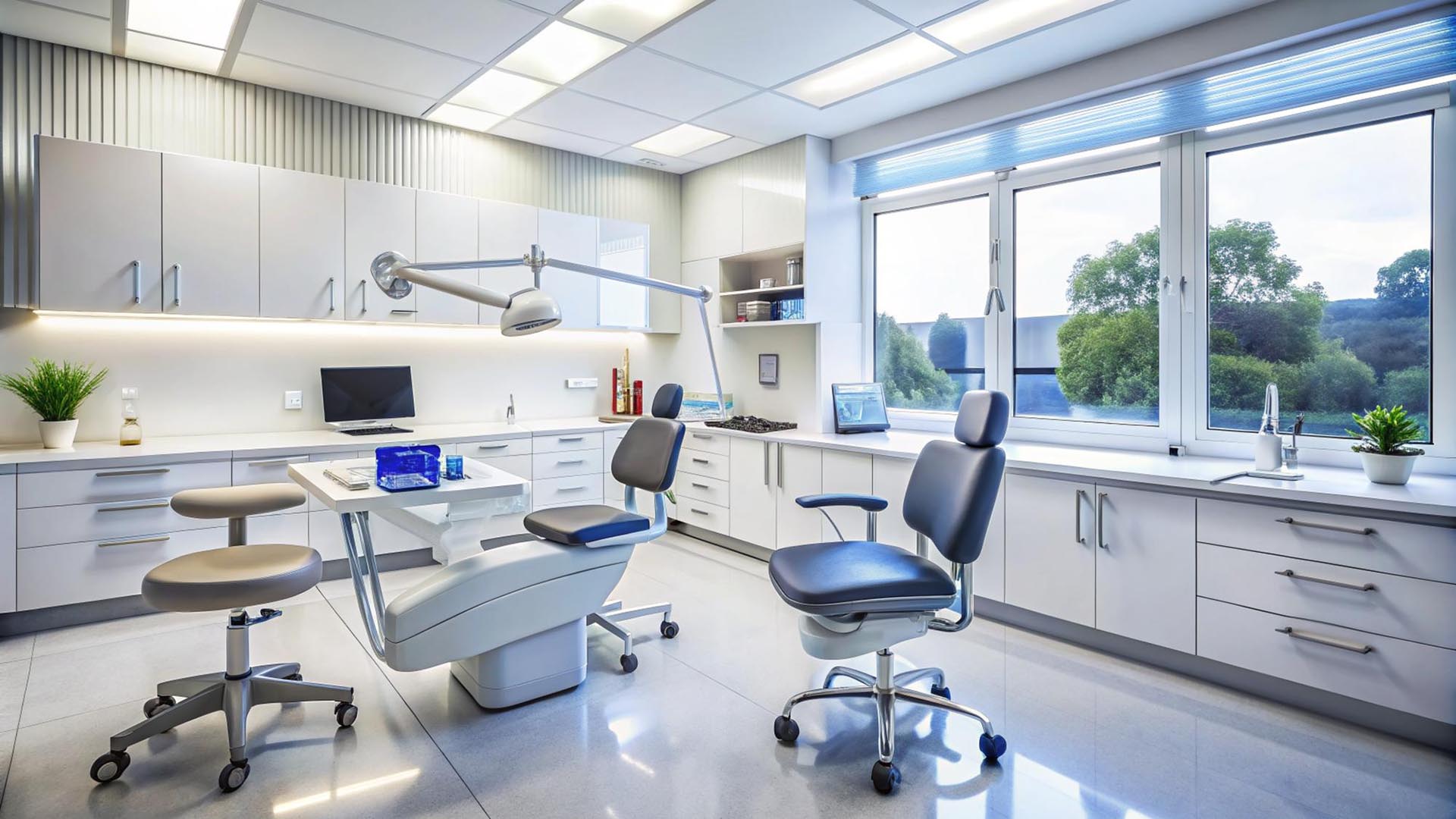
The practice has evolved since 1997 while keeping the same emphasis on comprehensive care, patient education and thoughtful treatment planning.

Dr. Todd Reeves established the practice in October 1997 after moving into dentistry in Birmingham following his education at UAB. The office was previously known as Greystone Family Dentistry before becoming Reeves Cosmetic Dentistry.
The name evolved as the practice expanded its cosmetic focus, but comprehensive dentistry remained at the center of the work. Preventive care, restorative treatment and cosmetic dentistry are not separate versions of the practice; they are different parts of caring for the same mouth over time.
Nearly three decades in one community also creates perspective. Dentistry that looks successful on the day it is completed still has to function years later, and long-term relationships give Dr. Reeves the opportunity to see how treatment performs over time.
Cosmetic dentistry is an important part of what Reeves does, but appearance is only one part of a successful result. A veneer, crown or reconstructed smile still has to work inside a real bite, sit beside natural teeth and remain maintainable in everyday life.
That is why cosmetic decisions are considered alongside dental health and function. The question is not simply whether dentistry can make a smile look different, but whether the result makes sense for the teeth underneath it.
The same thinking applies in reverse. Restorative treatment can repair strength and function while still respecting shape, proportion and the way the restoration fits into the rest of the smile.
Cosmetic and restorative decisions are considered together so the final result makes sense for both the smile and the teeth supporting it.
Patients rarely arrive thinking in dental procedure codes. They notice a tooth that broke, a smile they no longer like, gums that bleed, an old crown that feels different or simply the need to keep healthy teeth healthy.
The procedure comes after Dr. Reeves understands the problem. A crown, veneer, filling, implant or night guard should be recommended because the diagnosis supports it, not because the procedure happens to be available.
That approach also leaves room for more than one reasonable option. When treatment can be approached in different ways, patients deserve to understand the tradeoffs before deciding what fits their priorities.
Treatment options make more sense when the patient understands the problem being solved and the tradeoffs between reasonable approaches.
The practice has long emphasized helping patients understand their available treatment options. That principle remains an important part of comprehensive dental care at Reeves.
A useful dental conversation should explain what Dr. Reeves sees, what happens if the condition is left alone and what each reasonable treatment option is trying to accomplish. Informed patients can make decisions based on their own priorities rather than feeling pushed toward a procedure they do not fully understand.
That does not mean every appointment requires an elaborate treatment plan. Sometimes the most appropriate recommendation is simply to monitor an area and keep watching it.
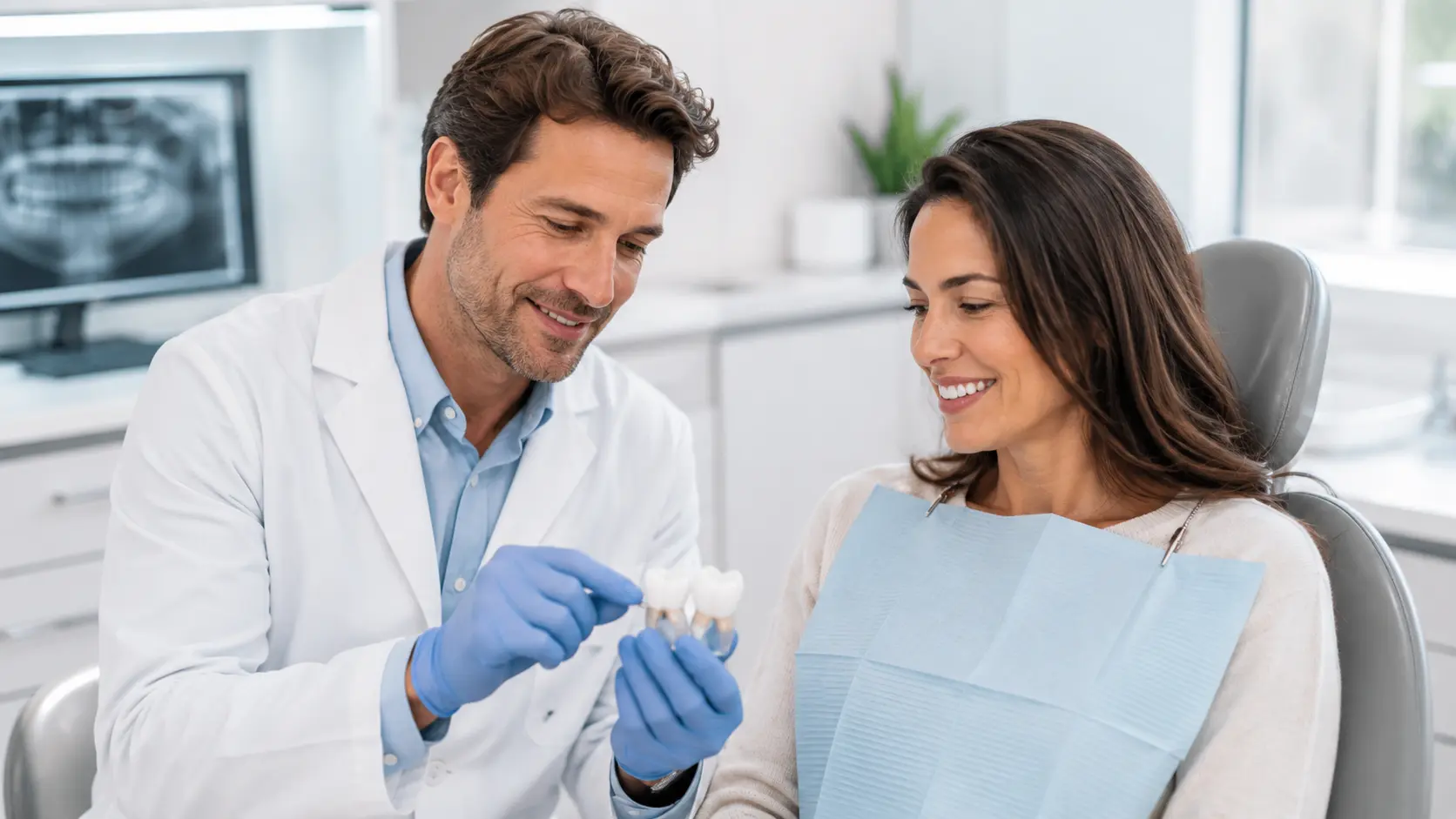
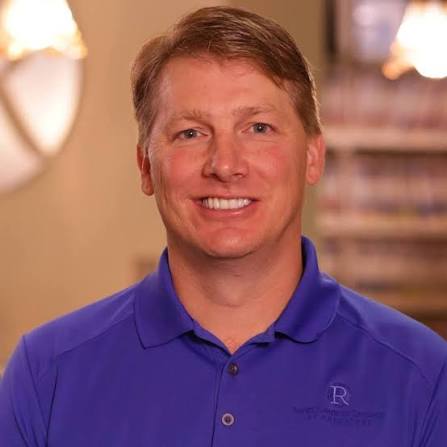
Dr. Todd Reeves earned his dental degree from the University of Alabama at Birmingham in June 1995, graduating second in his class. He established the Greystone practice in October 1997 and later pursued additional cosmetic-dentistry education through the Las Vegas Institute.
That combination of comprehensive care and cosmetic education shaped the practice that exists today. Dr. Todd Reeves looks at how dentistry functions and how it appears rather than treating those as unrelated objectives.
Years of caring for the same patients also provide something that cannot be created in a weekend course. He has had the opportunity to follow teeth, restorations and changing dental needs across decades of a patient’s life.
Dr. Coleman Reeves grew up around dentistry and later followed his father into the profession. He earned his dental degree from UAB and joined Reeves Cosmetic Dentistry with a particular restorative focus that includes crowns, dental implants and full-arch restorations.
His presence adds another generation to a practice that was already built around long-term relationships. Complex restorative treatment benefits from looking beyond the individual tooth to the way the entire mouth will function once treatment is complete.
Dr. Coleman Reeves also continues advanced dental education as techniques and technologies change. The objective is not novelty for its own sake but having more knowledge available when a difficult clinical problem needs to be solved.
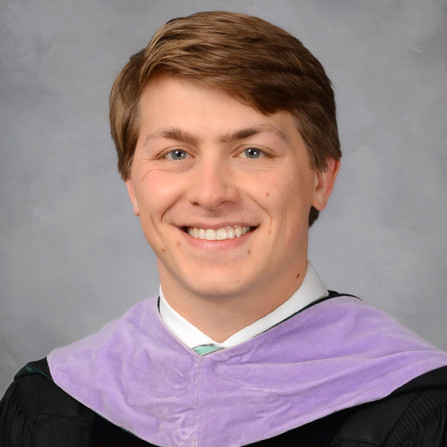
There is a natural continuity in having Dr. Todd Reeves and Dr. Coleman Reeves practicing together. One brings the perspective that comes from establishing the Greystone practice and following patients for decades, while the other adds another generation of training and a strong restorative focus.
That does not require dividing dentistry into rigid categories where one doctor handles appearance and the other handles function. Both doctors work within the same comprehensive philosophy, and the patient’s actual dental needs determine where each doctor’s experience becomes most useful.
The result is a practice that can continue evolving without losing the perspective on which it was built.
The doctors bring different experience and emphasis while working inside the same comprehensive approach to the patient’s dental health.
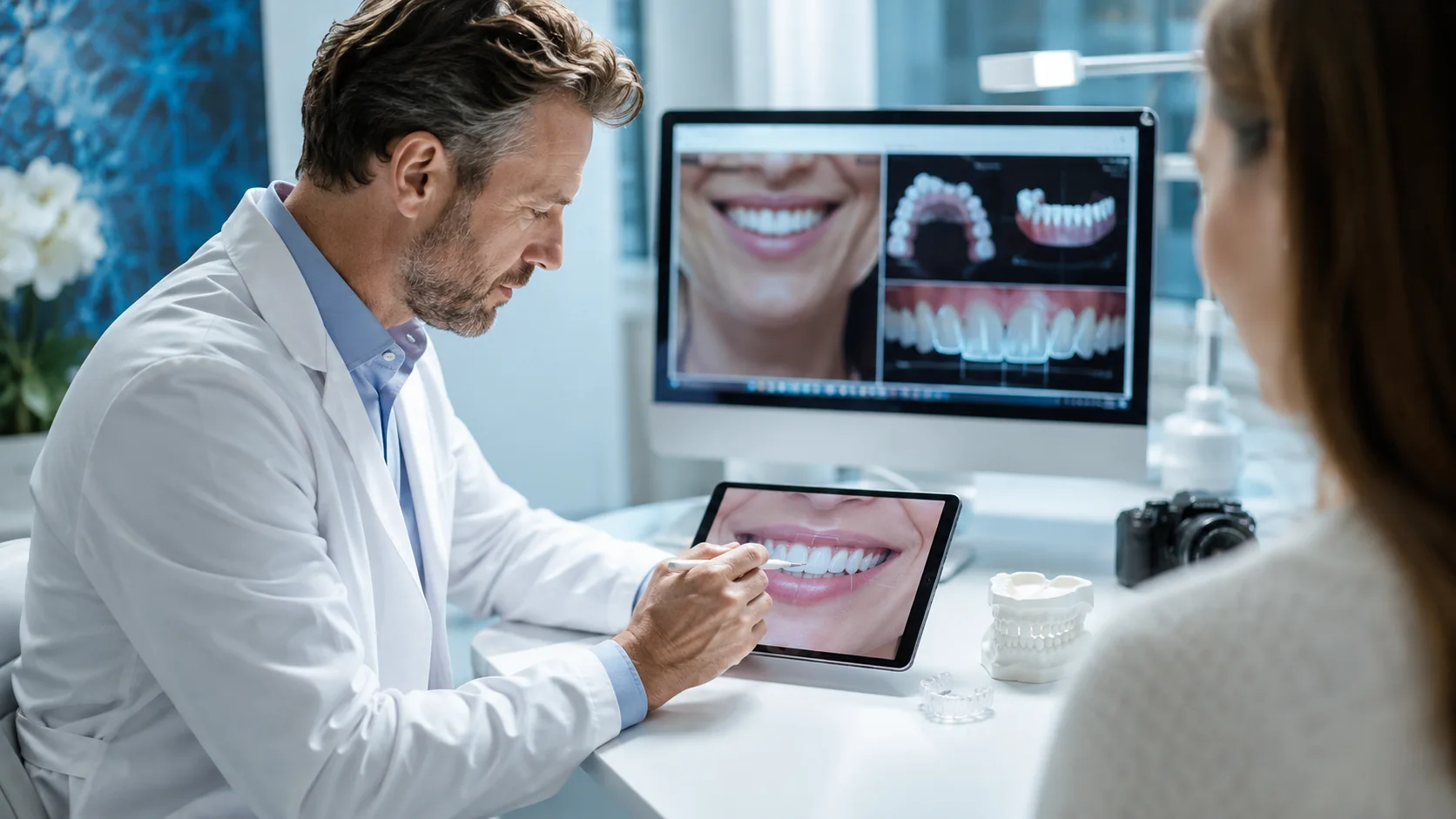
A patient considering veneers still needs healthy supporting teeth and gums. Someone receiving an implant or crown still cares what the final tooth looks like, while a patient coming for routine preventive care may eventually need restorative treatment.
Those needs naturally overlap. Comprehensive dentistry means considering the health, function and appearance of the mouth together instead of treating each procedure as an isolated event.
This becomes particularly important when treatment grows more complex. The more dentistry someone needs, the more valuable it becomes to understand how each decision affects the next one.
Cosmetic dentistry can involve subtle changes or a much broader redesign of the smile. Veneers, bonding, whitening and clear aligner treatment solve different problems and should not be presented as interchangeable ways to make teeth look better.
Dr. Reeves considers what the patient wants to change along with tooth structure, proportions, color, bite and existing dental work. The strongest cosmetic result is not necessarily the one that looks most obviously “done”; it is the one that belongs naturally in the patient’s face and mouth.
Treatment can therefore be conservative when a conservative option solves the problem. More extensive dentistry should have a reason to be more extensive.
The procedure should match the problem rather than making every cosmetic concern a reason for more extensive treatment.
Decay, fractures, missing teeth and failing restorations can change both how a mouth functions and how confident someone feels using it. Restorative dentistry addresses those structural problems through treatments selected according to how much damage is present.
Fillings, crowns, implants and larger reconstructive treatment occupy very different places on that spectrum. The objective is to preserve healthy structure when possible and rebuild what the tooth or mouth actually requires.
A technically strong restoration should also fit the surrounding smile. Function and appearance remain connected even when cosmetic improvement was not the original reason for treatment.
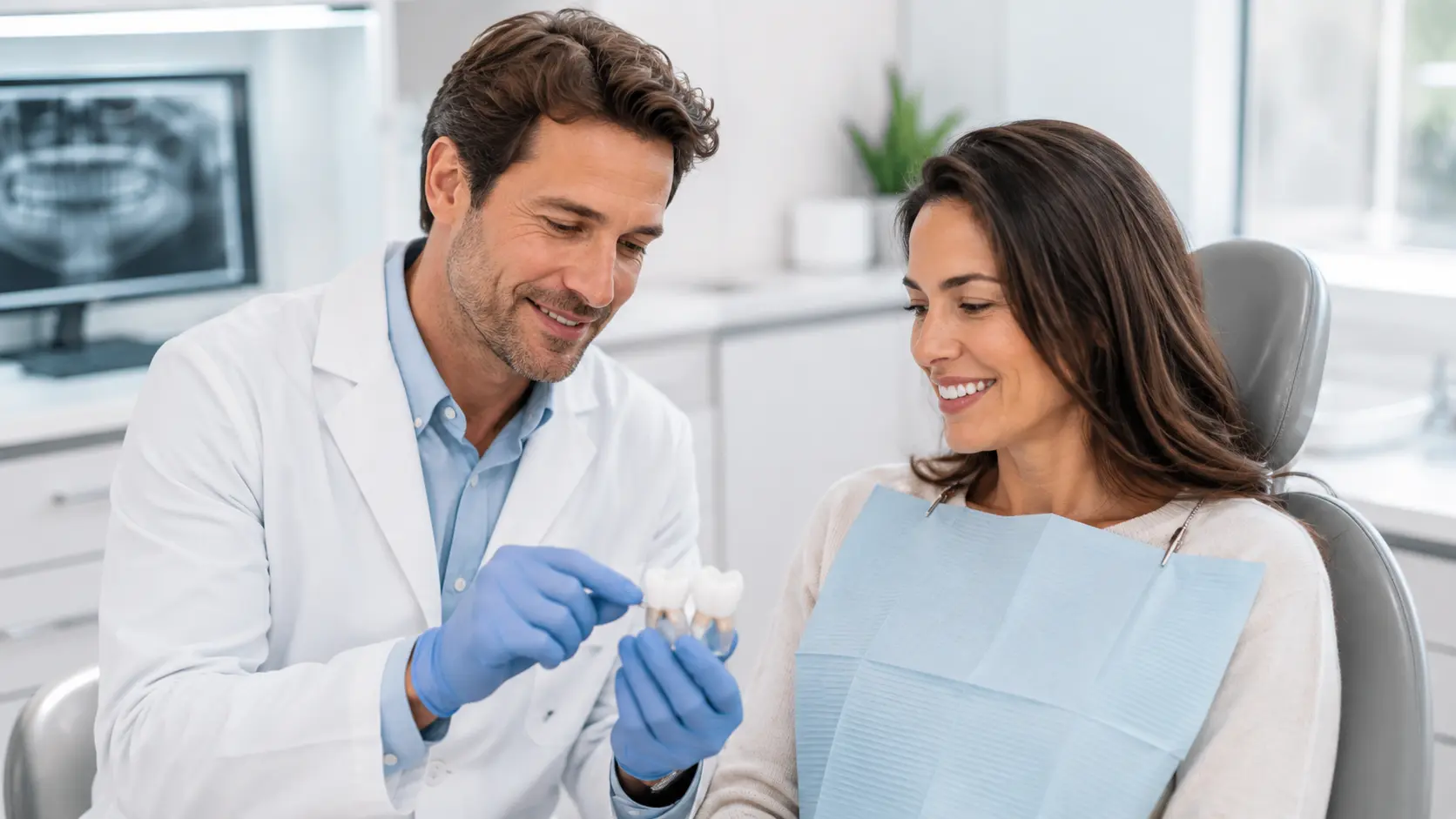
Routine examinations, cleanings, periodontal evaluation, oral cancer screening and preventive care create the opportunity to recognize change earlier. They also create the history that makes it easier to know whether a tooth, gum condition or restoration has changed from one visit to the next.
Reeves provides care for both adults and children as part of its broader family-dentistry philosophy. Preventive visits are not the less important side of dentistry; they are what make long-term comprehensive care possible.
A practice that provides both routine and complex treatment can continue caring for the patient when needs change instead of beginning a completely new relationship each time dentistry becomes more involved.
Routine visits provide the history that helps Dr. Reeves recognize change and plan future treatment with better context.
Dental treatment permanently changes tooth structure in many situations. That makes the decision not to perform unnecessary treatment just as important as knowing how to perform treatment well.
A small problem does not automatically need a large solution. When a conservative option can predictably accomplish the objective, preserving healthy tooth structure can leave more options available in the future.
There are also situations where delaying necessary treatment makes the eventual problem larger. The skill is understanding which situation is actually present.
The long-term view considers both the value of preserving healthy structure and the cost of waiting when treatment is genuinely needed.

Many adults already have fillings, crowns, veneers, bridges, implants or previous dental treatment when they arrive at Reeves. New treatment cannot be planned as though those restorations and their history do not exist.
Dr. Reeves considers the condition of the existing dentistry along with the natural teeth supporting it. Sometimes the right decision is to leave older dentistry alone because it is still functioning well, while another restoration may have reached the point where replacement makes sense.
That distinction helps avoid replacing treatment simply because it is old. Age matters less than condition, function and prognosis.
Dr. Todd Reeves pursued advanced cosmetic-dentistry education through the Las Vegas Institute after establishing his practice, and Dr. Coleman Reeves continues advanced education as part of his restorative work. Their education beyond dental school supports a practice that keeps evaluating how dentistry can be done better.
New materials, techniques and technologies continue to change what dentists can accomplish. Continuing education allows the doctors to evaluate those developments thoughtfully rather than assuming that either the newest method or the oldest method is automatically best.
The standard remains the patient in front of them. A technology is useful when it makes diagnosis, treatment or the patient experience better.
The practice can evolve without chasing novelty, using new techniques and tools when they genuinely strengthen care.
Modern dentistry offers tools that can improve planning, communication and treatment. The existence of a piece of technology, however, is not a reason by itself to recommend a procedure.
Reeves has long emphasized continuing education and thoughtful adoption of dental technology. The value of any tool is what it helps the dentist understand or accomplish for the patient, not how impressive it sounds in a list of office features.
That keeps technology in its proper role. It supports clinical judgment instead of replacing it.
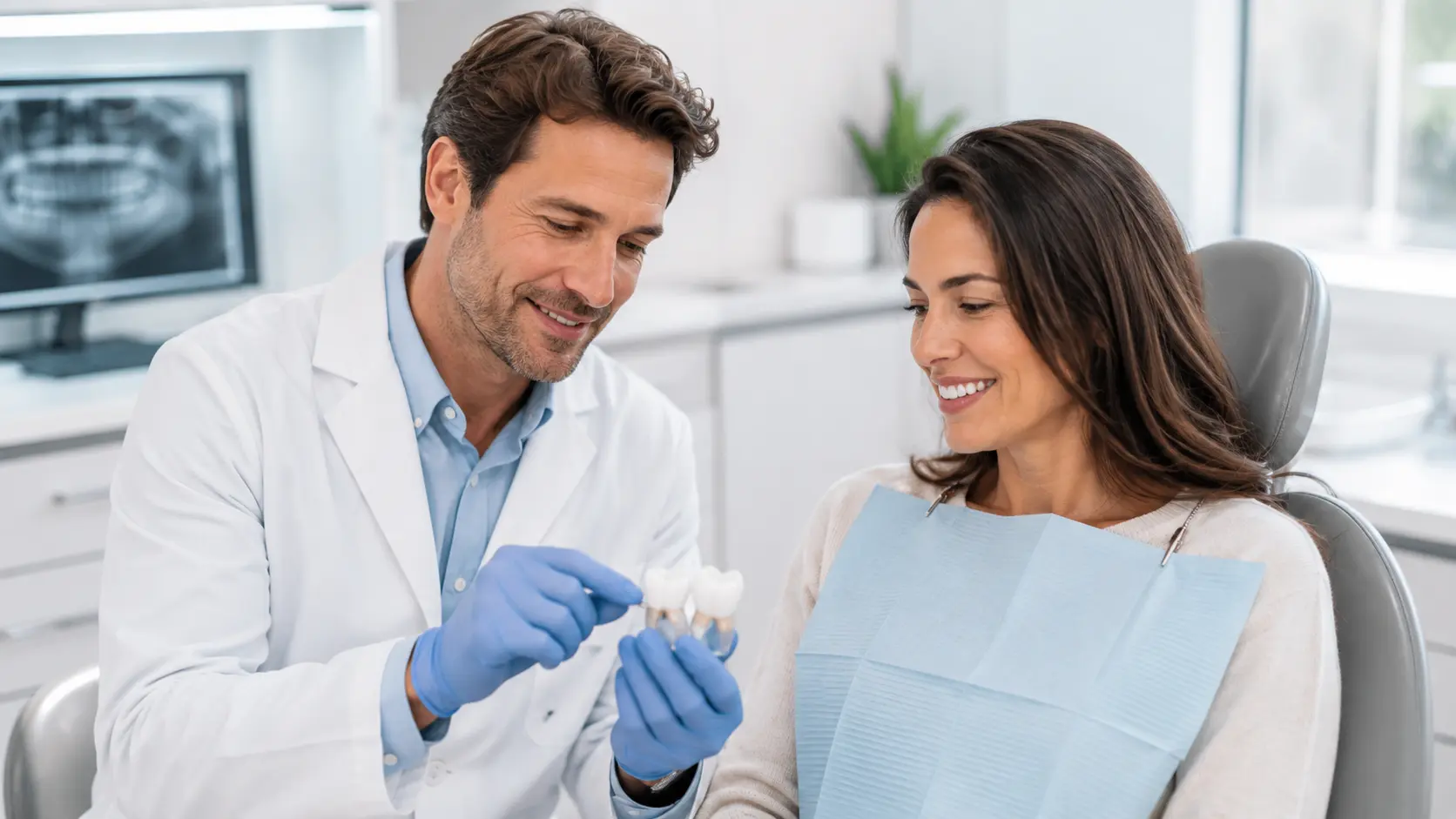
Reeves has long emphasized treating patients as individuals, respecting their time and helping them understand their care. Those ideas matter because two patients with similar dental findings may still have very different priorities, histories and comfort levels.
Someone may want to address every long-standing issue at once, while another patient may need to proceed in stages. A useful treatment plan can account for health, urgency, finances and personal priorities without losing sight of the clinical objective.
Good dentistry still requires technical skill. The way that dentistry is communicated determines whether the patient can participate meaningfully in the decision.
Timing, priorities and finances can influence sequencing when the clinical situation allows flexibility.

One damaged tooth can often be considered largely on its own. Multiple failing teeth, missing teeth, extensive wear or a combination of cosmetic and restorative concerns requires a broader view.
The sequence matters because treatment performed first can affect what becomes possible later. Planning backward from the desired functional and aesthetic result helps prevent individual procedures from competing with one another.
That approach can become especially useful in full-mouth reconstruction, implant treatment and larger cosmetic cases where many decisions must ultimately work together.
General dentistry covers a broad range of care, but some conditions require specialty expertise. Endodontists, periodontists, oral surgeons and other clinicians can become important parts of treatment when the diagnosis or complexity calls for them.
Referral does not make care less comprehensive. It means the appropriate clinician handles the part of treatment that benefits from additional specialty training while Reeves continues coordinating the broader dental picture when appropriate.
Knowing what belongs within the practice and what deserves another level of expertise is part of responsible treatment planning.
Specialty care can fit naturally into a broader Reeves treatment plan when a condition requires expertise beyond general dentistry.
Dr. Todd Reeves’ life outside dentistry has included long-standing involvement with SOZO Children and service connected to children in Uganda. That work reflects a broader commitment to relationships and service beyond the dental office.
That dimension of his life sits naturally beside a practice built around long-term relationships. Dentistry is the work performed inside the office, but the values behind the work do not have to stop at the office door.
For patients who have known Dr. Reeves for years, those parts of his story are often as familiar as the dentistry itself.
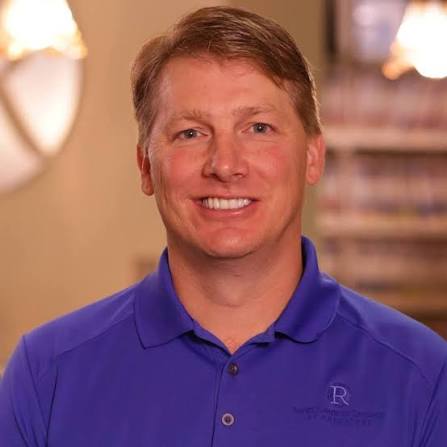
Dr. Todd Reeves established the practice in Greystone in October 1997. Nearly three decades in the same community provide continuity that becomes meaningful when dentistry is followed over many years.
Dr. Todd Reeves and Dr. Coleman Reeves bring two generations of dentistry into one practice. Their different experience and areas of emphasis can complement one another without separating patients into artificial categories.
Appearance and function are considered together. Dentistry should look appropriate in the smile while still solving the structural or health problem that made treatment necessary.
Treatment options should be understandable before a patient is asked to choose among them. Reeves has long identified patient education as a central part of comprehensive dental care.
Both doctors have pursued education beyond dental school as their clinical interests have developed. Continued learning helps the practice evolve while maintaining the same standard for deciding whether treatment actually benefits the patient.
Preventive, cosmetic, restorative and implant-related needs can be considered within the same broader dental relationship. When specialty care is more appropriate, referral can become part of that plan.
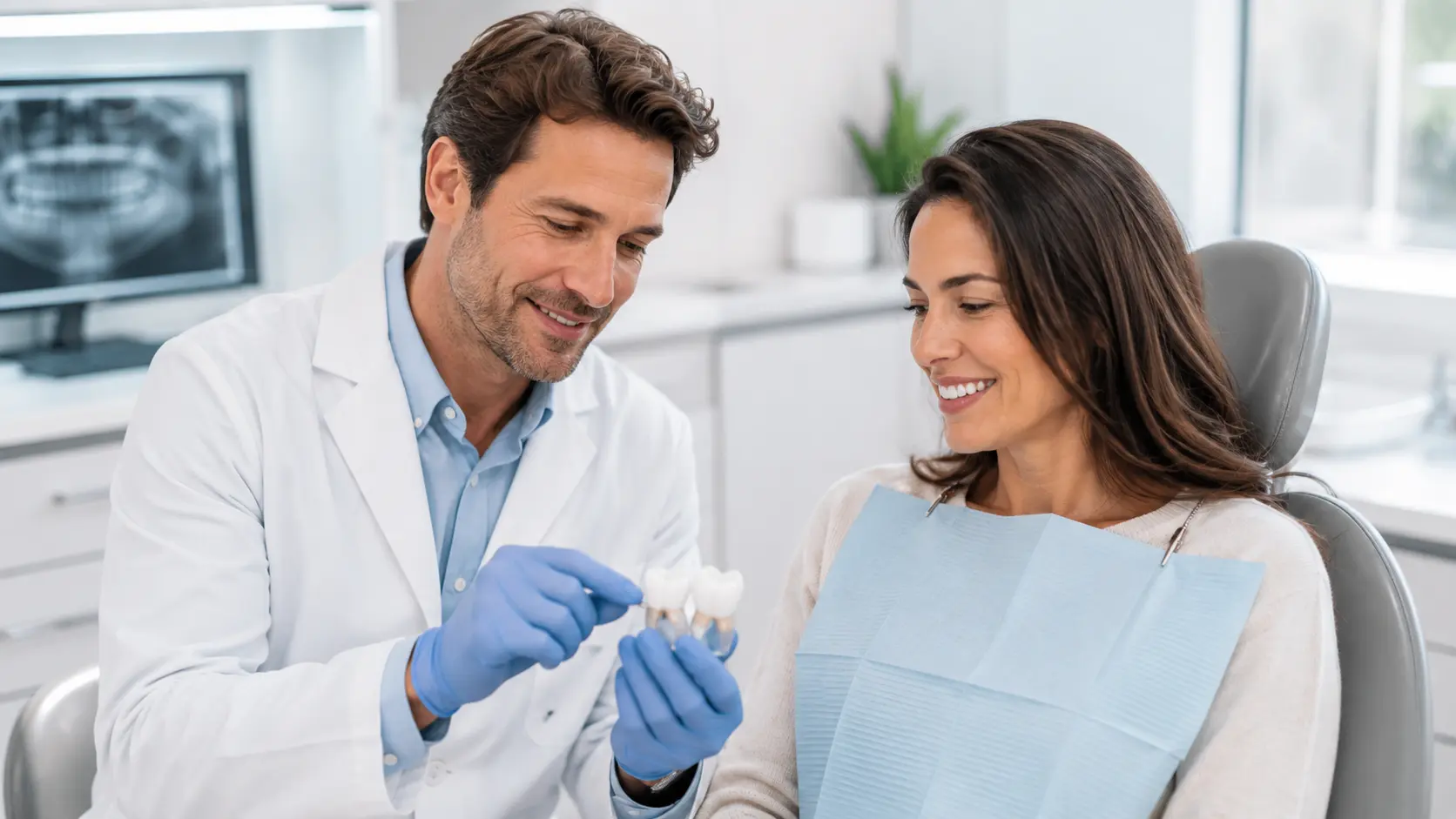
A dental practice can describe its philosophy, but patients experience that philosophy through individual appointments and treatment decisions. Someone may remember finally repairing a tooth that had bothered them for years, becoming comfortable enough to smile in photographs or simply having a place they trust for routine care.
Those experiences are why patient stories matter. The value is not that every person has the same result; it is seeing what comprehensive care looks like in the lives of real Reeves patients.
The ideal clinical sequence is important, but patients also have schedules, budgets and priorities outside the dental office. More extensive treatment can sometimes be phased when doing so remains clinically appropriate.
Reeves currently offers CareCredit as a financing option. Financial planning should make the recommended treatment easier to understand rather than changing the diagnosis to fit a financing product.
The office can review treatment estimates, available dental benefits and current financing options before care begins.
Phasing, benefits and financing can affect timing when the clinical situation allows flexibility, but they should not redefine the diagnosis.
Reeves Cosmetic Dentistry is located at 8040 Hugh Daniel Drive in Birmingham, Alabama 35242, in the Greystone area near the Highway 280 corridor. The office serves patients seeking routine family care as well as cosmetic, restorative and implant-related treatment.
New patients do not need to arrive knowing the name of the procedure they need. The useful starting point is explaining what concerns you, allowing Dr. Reeves to evaluate the situation and then deciding what deserves attention.
8040 Hugh Daniel Drive
Birmingham, AL 35242
(205) 991-9997
Monday–Thursday, 8:00 AM–5:00 PM

Reeves Cosmetic Dentistry is located at 8040 Hugh Daniel Drive in Birmingham, Alabama 35242. The office is in the Greystone area near the Highway 280 corridor.
Dr. Todd Reeves established the practice in October 1997. The practice was previously known as Greystone Family Dentistry.
Dr. Todd Reeves and Dr. Coleman Reeves practice from the Greystone office. They are father and son and represent two generations of Reeves dentistry.
Dr. Todd Reeves is the founder of Reeves Cosmetic Dentistry. He earned his dental degree from UAB in 1995, graduated second in his class and established the Greystone practice in 1997.
Dr. Coleman Reeves is a UAB dental graduate who joined his father at Reeves Cosmetic Dentistry. His restorative focus includes crowns, dental implants and full-arch restorations.
Yes. The practice was previously known as Greystone Family Dentistry before becoming Reeves Cosmetic Dentistry.
No. The practice provides cosmetic, restorative and preventive or family dental care in addition to implant-related treatment. The name reflects an important part of the practice without limiting the office to cosmetic procedures alone.
Yes. Preventive and family dental care is part of the practice's service offering, and Reeves provides care for both children and adults.
Yes. Cosmetic services include treatments such as veneers and teeth whitening, with other options considered according to the patient's individual needs.
Yes. Restorative treatment is part of the practice's broader comprehensive care, and Dr. Coleman Reeves has a particular restorative focus. Crowns, implants and full-arch restorations are among his documented areas of work.
Yes. Implant dentistry is included among the practice's services, and implants are also part of Dr. Coleman Reeves' restorative focus.
Yes. The practice provides dental care for both children and adults. Treatment recommendations still depend on the child's age, dental development and individual needs.
The practice emphasizes comprehensive dental health, patient education, individualized treatment and continued professional growth. Those principles have guided Reeves for years.
Yes. Dr. Todd Reeves pursued continuing cosmetic-dentistry education through the Las Vegas Institute after dental school.
Dr. Todd Reeves earned his dental degree from the University of Alabama at Birmingham in 1995. He graduated second in his class.
Dr. Coleman Reeves earned his dental degree from the University of Alabama at Birmingham. He later focused his skills particularly in restorative dentistry.
Both dentists practice within Reeves Cosmetic Dentistry. Which doctor becomes most involved can depend on the patient's needs, the treatment being considered and scheduling.
Referral can become appropriate when a condition requires expertise beyond the treatment provided within general dentistry. Specialist involvement can remain one part of a broader plan coordinated with Reeves.
Reeves currently lists CareCredit as a financing option. Current terms, approval requirements and availability can be confirmed directly with the office.
The Reeves office is open Monday through Thursday from 8:00 AM to 5:00 PM. Patients can call the office at (205) 991-9997 for scheduling.
Prospective patients can contact the office directly to discuss scheduling and current appointment availability. Calling the office or requesting an appointment online is the best way to determine the next available visit.
No. Patients can begin by explaining the problem or goal that brought them in, and Dr. Reeves can determine what examination or treatment planning is appropriate.
Maybe you need a new dentist for routine care, have a tooth that needs to be rebuilt or have been thinking about changing your smile for years. You may also be looking for a practice capable of seeing the larger picture when several dental concerns overlap.
Reeves Cosmetic Dentistry has been part of Greystone since 1997, and the practice now brings Dr. Todd Reeves and Dr. Coleman Reeves together under one roof. The objective is not to fit every patient into the same treatment plan but to understand the mouth, explain the options and build dentistry around what the individual actually needs.
Some relationships begin with a cleaning. Others begin with a difficult dental problem. Either way, the first appointment is simply the beginning of understanding where things stand.
Request an appointment online or call the Greystone office directly.

Personalized cosmetic, restorative, implant and family dentistry in Greystone, Birmingham, Alabama.
Copyright © 2027 All Rights Reserved.