
Greystone, Birmingham•Serving patients since 1997

Professional teeth whitening gives Dr. Reeves a way to address color without unnecessarily changing the structure or position of otherwise healthy-looking teeth.
Reeves offers Zoom professional whitening, but the first question is not which whitening product to use.
It is why the teeth look darker in the first place—and whether whitening is the right solution.
It should not be asked to solve a shape, position or restoration problem.
Whitening is one of the simplest cosmetic concepts in dentistry. The planning can still matter.
A darker smile may be caused by staining on the teeth, changes within the tooth itself, aging, old dental work or a combination of factors.
More importantly, color may not actually be the detail you are reacting to.
A dark front tooth beside lighter teeth is a different problem from an entire smile that has gradually yellowed. An older crown that no longer matches cannot simply be bleached into a different shade.
Dr. Reeves looks at the source of the concern before deciding what whitening should realistically accomplish.
The objective is not to make every smile as white as possible. It is to decide whether changing the color creates the improvement you actually want.
Some discoloration develops on the surface of the enamel. Other color changes come from within the tooth. That distinction affects what whitening may be able to accomplish.
Dark beverages can contribute to external staining over time.
Highly pigmented foods and tobacco use can also contribute to surface discoloration.
As teeth age, enamel can become thinner and more translucent, allowing the naturally yellower dentin beneath it to become more visible.
Certain medications, developmental conditions, trauma and other factors can create discoloration within enamel or dentin rather than simply on the surface.
Crowns, veneers, fillings and other tooth-colored restorations do not respond to whitening agents the same way natural enamel does.
Professional whitening uses peroxide-based agents to lighten natural tooth structure.
The bleaching process works by interacting with colored compounds within enamel and dentin rather than simply painting a lighter material over the tooth.
That makes whitening fundamentally different from veneers or bonding.
When color is the actual problem, that may be all the dentistry you need.
Zoom is a professional whitening platform designed for dentist-supervised whitening.
Rather than turning whitening into a product advertisement, the Reeves approach stays centered on supervision and treatment planning.
Dr. Reeves may discuss whitening when you like the general position and shape of your teeth but want the natural enamel to appear brighter.
A smile can gradually look warmer or darker over time even when no single tooth appears dramatically different.
Coffee, tea, wine and other strongly pigmented products can contribute to visible discoloration.
Sometimes there is no dramatic defect. The overall color has just changed enough that you notice it.
Whitening may be completed before bonding, veneers or crowns so Dr. Reeves can plan the color of new restorations around the natural teeth after whitening.
Whitening is useful because it is focused. That is also its limitation.
Porcelain and other restorative materials will not whiten along with the surrounding natural teeth.
Composite materials also do not lighten in the same way natural enamel does.
A single tooth that differs significantly from neighboring teeth deserves evaluation rather than assuming the entire smile needs whitening.
A tooth that looks short, narrow, chipped or worn will still have the same shape after whitening.
Whitening cannot change crowding, rotation or spacing. ClearCorrect or another treatment may be a better fit when position is the concern.
If Dr. Reeves believes color is only one part of what you are seeing, the discussion may include bonding, veneers, ClearCorrect or restorative dentistry instead.
Imagine that you dislike both the color of your teeth and one chipped edge.
If Dr. Reeves knows you want the natural teeth brighter, it may make sense to address color before placing the final bonding.
Why? Because natural tooth structure can respond to whitening. Existing composite will not respond in the same way.
The same concept matters with porcelain veneers and crowns. Once the surrounding natural teeth reach a color you are comfortable with, the shade of future restorations can be selected in relation to that smile.
You may discover that brighter natural teeth reduce how much additional cosmetic dentistry you want. That is valuable information before altering anything else.
Whitening toothpastes, strips and other over-the-counter products certainly exist. Some can improve visible discoloration. The more useful difference with professional treatment is that the whitening decision takes place within a dental evaluation.
The source of the stain matters when deciding whether whitening is likely to create the change you want.
Crowns, veneers and composite will not whiten like natural enamel, which can affect the final appearance.
A single dark tooth may deserve its own evaluation rather than simply whitening everything around it.
Existing sensitivity belongs in the plan before treatment begins.
Yes.
Temporary tooth sensitivity is one of the most commonly reported effects of tooth whitening. Gum irritation can also occur, depending on the whitening method and exposure.
That does not mean everyone will experience the same amount of sensitivity.
Whitening concentration, exposure time and individual response can all influence how treatment feels.
Maybe your entire smile feels darker. Maybe photographs make you notice yellowing you do not see as much in the mirror. Maybe one area concerns you more than another. Start there.
Dr. Reeves evaluates the natural teeth, existing restorations and dental health before deciding what whitening can reasonably accomplish.
Different forms of staining and discoloration may respond differently.
Crowns, veneers and composite restorations in visible areas matter because those materials will not whiten along with natural teeth.
When professional whitening is appropriate, the treatment approach can be selected based on your teeth and cosmetic goals.
After whitening, the new tooth color can also become the reference point for any bonding, veneer or crown work being considered afterward.
Teeth exist within a face.
Skin tone, lips, surrounding teeth and the amount of tooth displayed when you smile all affect how color is perceived.
That is why there is no universally correct shade.
Some patients want a dramatic change. Others simply want to reverse some of the darkening they have noticed over the years.
Dr. Reeves can discuss what whitening is likely to accomplish, but the aesthetic preference is ultimately personal.
Teeth remain exposed to the same things that contributed to discoloration before treatment. Whitening should not be thought of as permanently locking a tooth into one shade.
Dark beverages can contribute to new staining over time.
Strongly colored foods and drinks can influence how the smile looks over time.
Tobacco can contribute to visible discoloration and is best avoided for both cosmetic and oral-health reasons.
Teeth continue to change with age, even after professional whitening.
How long the change remains noticeable varies with the person, starting color, whitening method and everyday habits. Future touch-up treatment may sometimes be considered when color begins to shift again.
You should still drink coffee if you enjoy coffee. The point of whitening is not to make normal life impossible.
A brighter smile should fit into your life. Not control it.
Normal oral hygiene remains the foundation of maintaining the teeth and gums.
Regular examinations and cleanings help keep the teeth healthy and give the team a chance to evaluate color changes over time.
Heavily pigmented foods and beverages can contribute to staining, but they do not need to dominate your life.
When the color begins to shift again, the Reeves team can discuss whether maintenance whitening makes sense.
There is not much value in publishing a whitening price without confirming exactly what treatment is being provided.
Professional whitening can involve different approaches, materials and levels of dentist supervision.
The Reeves team can explain the whitening option being recommended, what is included and the associated fee before you begin.
A patient with a dark crown does not need stronger bleach. A patient bothered primarily by a chipped tooth may not need whitening at all. The right diagnosis keeps a simple cosmetic purchase from becoming the wrong treatment.

Dr. Todd Reeves established the Greystone practice in 1997 after earning his dental degree from the University of Alabama at Birmingham. His continuing education has included cosmetic training through the Las Vegas Institute.
That broader cosmetic perspective is useful even with something as seemingly straightforward as whitening. Color rarely exists in isolation.
Dr. Reeves can consider whitening alongside the shape of the teeth, existing bonding or porcelain, tooth position and any restorative work that may be part of the smile.
Sometimes whitening is the beginning of a larger plan. Sometimes it is the only treatment necessary.
Dr. Reeves first determines whether tooth color is actually the problem being treated.
Crowns, veneers and composite restorations can affect the final appearance because they do not whiten along with natural teeth.
Whitening may be coordinated with bonding, veneers, ClearCorrect or other treatment when several concerns exist.
Dr. Reeves has practiced in Greystone since 1997.
Reeves offers professional Zoom teeth whitening as part of its cosmetic services.
Reeves Cosmetic Dentistry is located at 8040 Hugh Daniel Drive in Birmingham, in the Greystone area near the Highway 280 corridor.
If you have been searching for teeth whitening in Birmingham, AL, you do not need to arrive knowing which whitening system or shade you want.
Start with what you notice.
Dr. Reeves can look at the natural teeth, existing dental work and type of discoloration, then explain whether professional whitening makes sense.
8040 Hugh Daniel Drive
Birmingham, AL 35242
(205) 991-9997
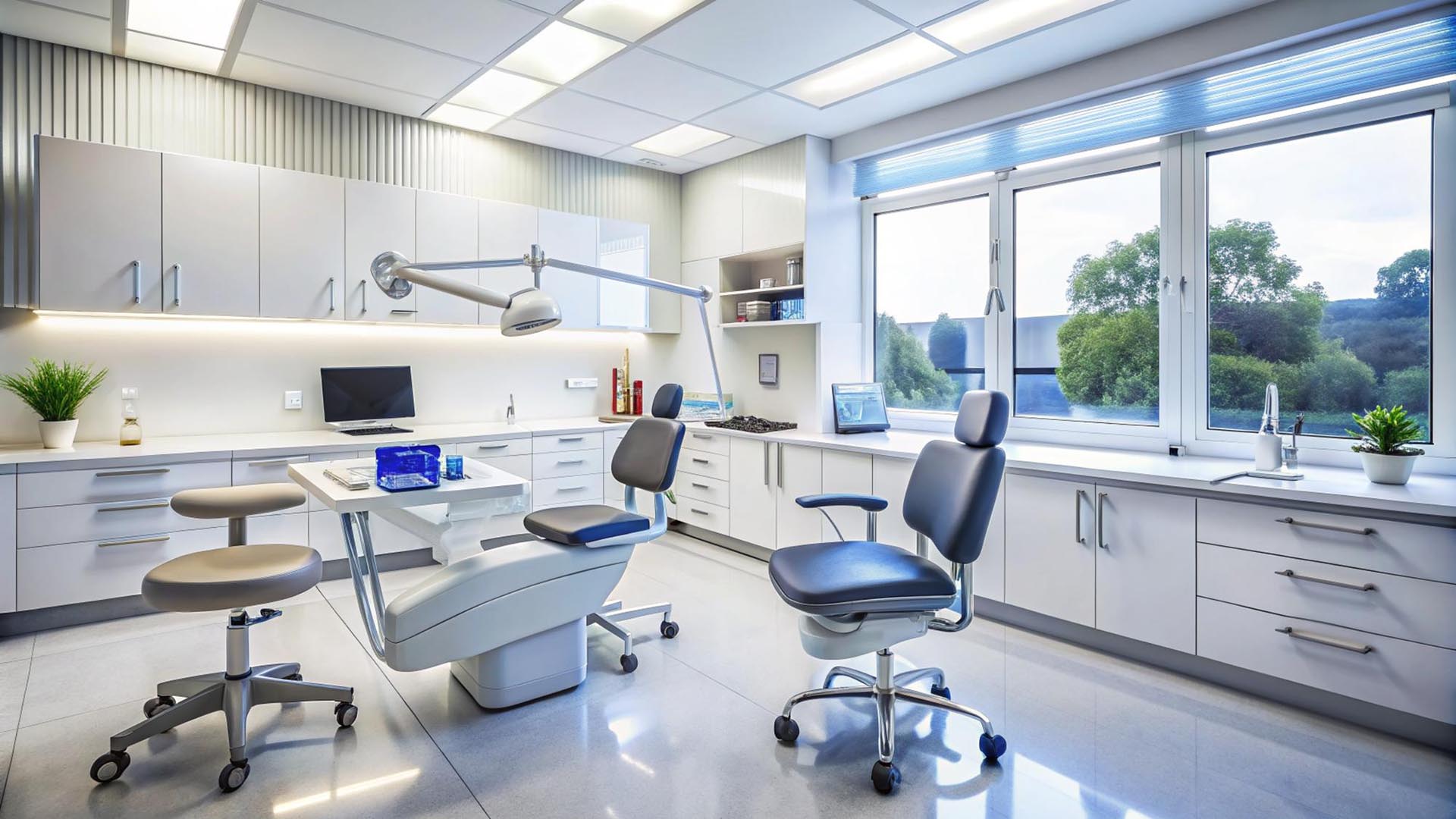
Free parking is available directly in front of the office.
Professional teeth whitening uses bleaching agents to lighten natural tooth structure. Treatment may be performed in the dental office or through dentist-supervised systems designed for home use.
Yes. Reeves offers Zoom professional teeth whitening as part of its cosmetic services.
Whitening can improve many forms of discoloration, but the response depends on the type and cause of the stain. Surface staining and discoloration within the tooth do not necessarily respond identically.
No. Whitening changes natural tooth structure but does not lighten tooth-colored restorations such as crowns or veneers.
Existing composite bonding does not respond to whitening in the same way natural enamel does. That is why Dr. Reeves may discuss whitening before new bonding when both treatments are being considered.
Sometimes. If natural teeth will remain visible beside veneers, whitening first may allow Dr. Reeves to select the future porcelain shade in relation to the brighter surrounding teeth. The correct sequence depends on the treatment plan.
It depends on why that tooth is dark. A single tooth that differs significantly from neighboring teeth deserves evaluation rather than simply whitening the entire smile.
Temporary tooth sensitivity is a common potential effect of whitening. Gum irritation can also occur. Tell Dr. Reeves about existing sensitivity before treatment begins.
They are different approaches. Over-the-counter strips can whiten teeth, while Zoom is a professional whitening system used under dental supervision. The better choice depends on your teeth, discoloration, restorations and treatment goals.
Results vary. Starting tooth color, the source of discoloration and individual response all influence the amount of change. Dr. Reeves should not promise an exact shade before evaluating the teeth.
There is no universal timeframe. Diet, tobacco use, oral hygiene, aging and other factors can affect how the color changes after treatment.
Coffee can contribute to staining over time, but whitening should not require building your entire lifestyle around avoiding normal foods and drinks. Good oral hygiene and future maintenance can be discussed with the Reeves team.
No. Natural teeth can change color again over time.
Yes. Whitening may be completed before bonding, porcelain veneers, crowns or other cosmetic treatment when establishing the natural tooth shade first helps the overall plan.
Pricing depends on the professional whitening approach being provided. Once the Reeves team confirms the appropriate treatment, they can explain what is included and the associated fee.
Schedule a cosmetic consultation and show Dr. Reeves what you would like changed. He can evaluate the natural teeth, restorations and type of discoloration and explain whether whitening—or another cosmetic treatment—makes more sense.
Maybe your teeth have gradually yellowed.
Maybe years of coffee have left them looking darker than you remember.
Or maybe you have been thinking about veneers when color is actually the only thing you want to change.
You do not need to decide on the treatment first.
Show Dr. Reeves what you see.
He can determine whether professional whitening makes sense, what existing dental work needs to be considered and whether changing the color is enough to create the result you want.
Request a whitening consultation online or call the Greystone office directly.

Personalized cosmetic, restorative, implant and family dentistry in Greystone, Birmingham, Alabama.
Copyright © 2027 All Rights Reserved.