
Greystone, Birmingham•Serving patients since 1997
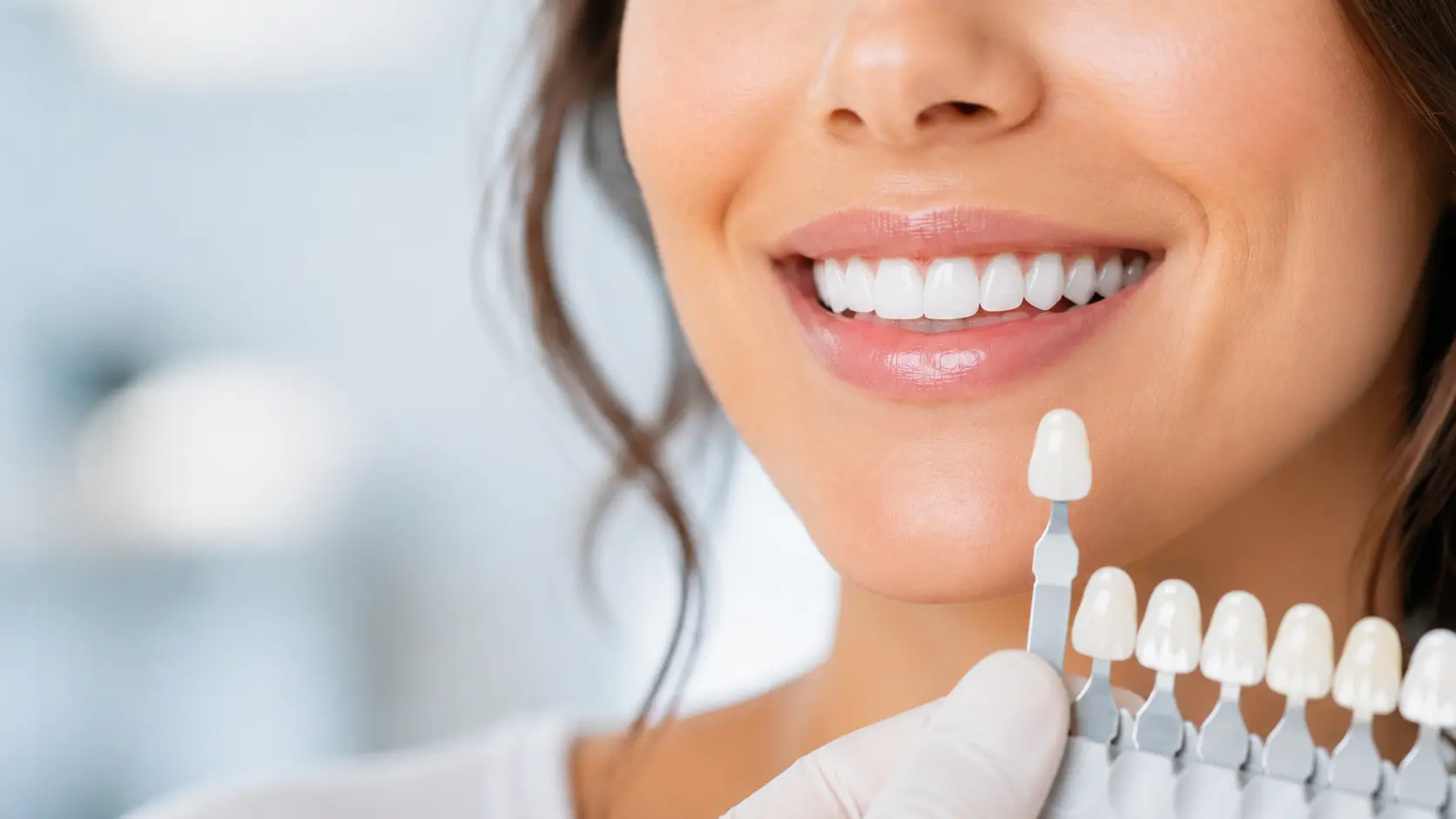
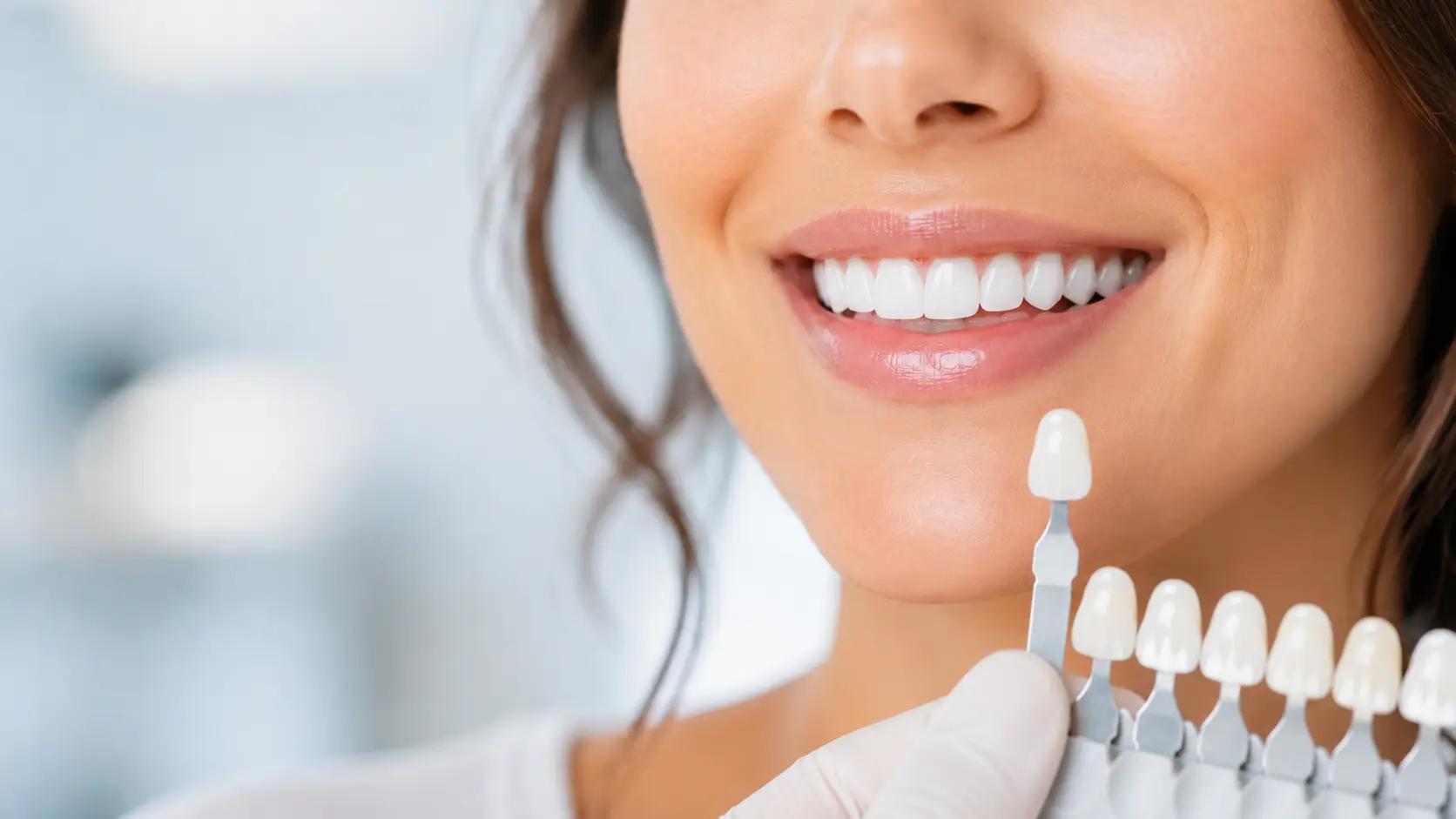
For selected patients, very thin porcelain veneers can be planned with little—and in some cases no—reduction of natural tooth structure. Reeves Cosmetic Dentistry offers DURAthin veneers, a conservative veneer option designed around that idea.
But minimal preparation should never be the goal at the expense of the result.
Dr. Reeves first determines where the finished tooth needs to be. Then he can decide how much preparation, if any, is actually necessary to get there.
The goal is not “no-prep” at any cost. The goal is the right amount of preparation for the planned result.

Cosmetic dentistry involves an unusual responsibility. The teeth may already be healthy. The treatment is being considered because something about their appearance could be improved.
That makes preservation important.
If the desired shape, proportion and color can be achieved while leaving more natural enamel intact, Dr. Reeves can consider a minimal-preparation approach.
But do not preserve tooth structure simply to claim that a case was “no-prep.”
If avoiding preparation would create excessive bulk, poor contours, compromised color or an unnatural result, another approach may be more appropriate.
Conservative dentistry is not about doing the least possible dentistry. It is about doing only the dentistry the case actually requires.
A porcelain veneer is a thin ceramic restoration bonded to the visible surface of a tooth. Traditional veneer treatment commonly creates space for porcelain by reducing some tooth structure. A minimal-preparation veneer is planned to require less reduction.
Some tooth structure is reduced to create room for porcelain and control the final contour.
Selective reduction may be limited to only the areas that need room, contour refinement or margin control.
In selected cases, facial enamel may require no intentional reduction before the veneer is bonded.
Reeves offers DURAthin veneers, which are designed as very thin porcelain restorations for selected cases where little or no reduction may be appropriate. Those terms should not be treated as guarantees for every tooth.
Natural enamel is useful tissue. Once it has been removed, it does not grow back. That makes preservation especially relevant in elective cosmetic treatment.
Dr. Reeves considers how much space the porcelain needs, where the final tooth contour should sit and what needs to happen to color and proportion.
The clinical decision still has to come first.
Minimal-preparation veneers are not simply regular veneers with less drilling. They depend heavily on the starting position, shape and color of the teeth.
If a tooth sits slightly inward or appears narrow, adding thin porcelain may improve its apparent position or proportion without requiring significant reduction first.
Certain spaces may be reduced visually by changing the width and proportion of neighboring teeth.
Thin porcelain can sometimes add controlled length or volume when the existing tooth position allows it.
Minor proportion, contour or symmetry changes may lend themselves to a more additive approach.
When starting teeth are reasonably well positioned and the desired change is controlled, less preparation may be possible.
Less preparation sounds automatically better. It is not always better dentistry.
A tooth already too far forward, significant rotation or crowding, substantial discoloration, major shape changes, or unfavorable bite forces can all change the preparation strategy.
The right amount of preparation is the amount the individual case requires.
Reeves Cosmetic Dentistry offers DURAthin veneers as part of its cosmetic services.
DURAthin veneers are designed around very thin porcelain and an additive treatment concept. That can make them appealing to someone who wants cosmetic improvement while preserving natural tooth structure. The name of the veneer system does not decide candidacy.
Dr. Reeves still needs to consider tooth position, existing shape, underlying color, enamel, bite, desired final proportions and the amount of change being requested.
It makes thoughtful treatment planning even more important.
These terms often get used interchangeably online. They should not be.
A true no-preparation approach means the veneer can be bonded without intentionally reducing the facial tooth structure first.
It is possible only when the starting tooth provides enough room for an additive restoration.
A minimal-preparation case may involve small, selective modifications to create room, improve a margin, refine an edge or help the restoration sit naturally.
One tooth may need none. The tooth beside it may need a little. The plan follows the teeth.
A veneer adds material to a tooth. That simple fact matters.
If porcelain is added to a tooth that is already full in contour or positioned toward the lip, the result can become too thick unless space is created first.
The tooth may appear wider, more prominent, less natural around the gumline, or harder to transition invisibly into the surrounding enamel.
That is why Dr. Reeves does not begin a case by promising zero preparation.
Preparation follows that design—not the other way around.
Minimal-prep porcelain is not automatically the least invasive cosmetic option. Sometimes composite bonding may involve an even smaller intervention.
Start with whether the visible difference actually needs treatment.
A chipped corner, narrow space or localized contour issue may be treatable with tooth-colored composite.
Porcelain may become more compelling when the amount of surface being changed or material requirements favor ceramic.
Traditional porcelain veneers and minimal-preparation veneers are not opposing treatments. They are different ways of creating space and controlling a final result.
It is to make the tooth look right while preserving what can reasonably be preserved.
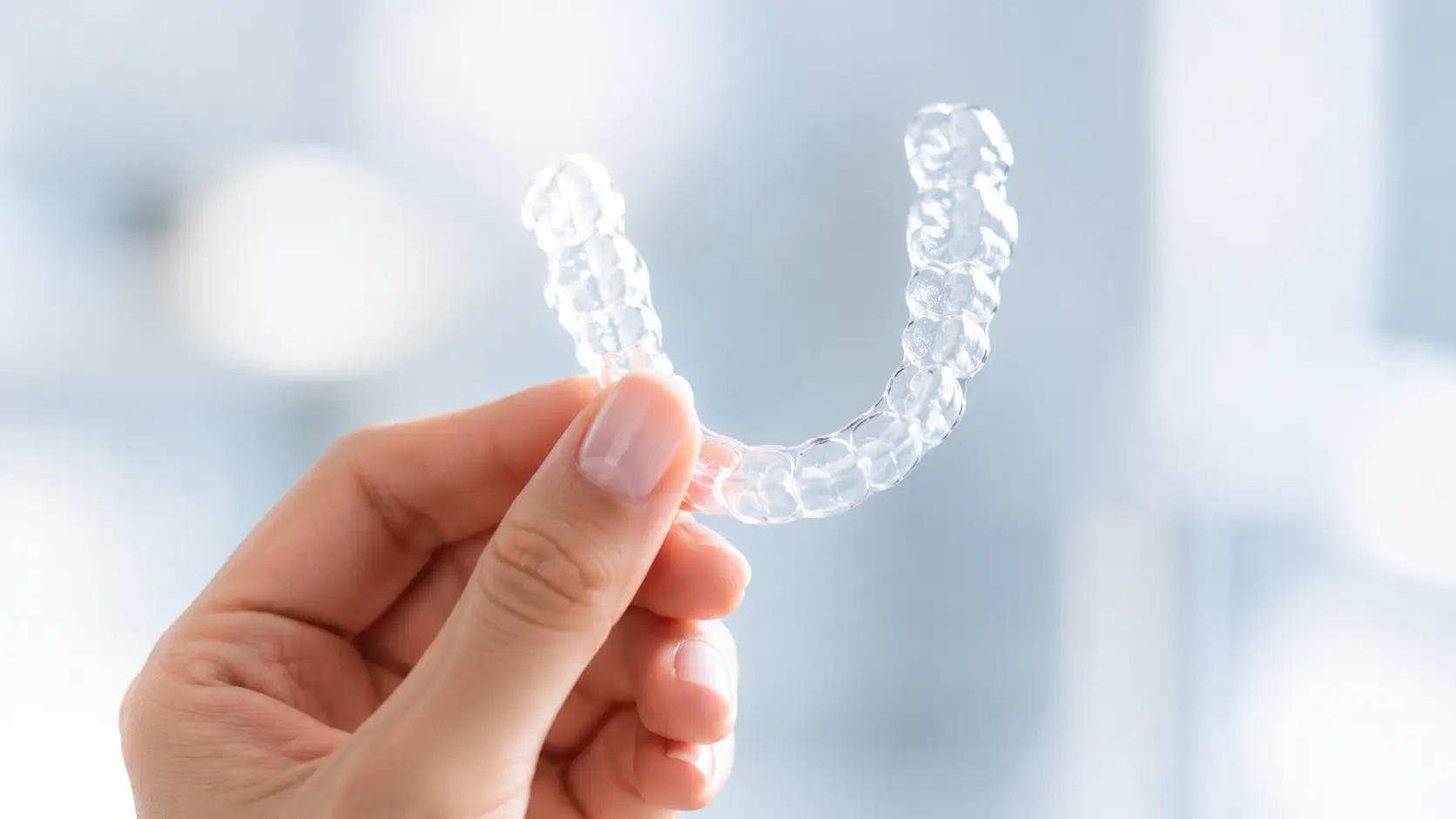
Imagine a tooth that is rotated outward. Porcelain could potentially disguise some of that position.
But creating the desired contour may require more reduction because part of the natural tooth already sits outside the planned final shape.
Moving the tooth first can change that equation.
ClearCorrect may sometimes improve tooth position before cosmetic treatment, giving Dr. Reeves a more favorable starting point for bonding or porcelain.
That does not mean everyone needs aligners before veneers. It means tooth position should be considered before healthy enamel is removed simply to compensate for alignment.
It begins by putting the tooth in a better place.
Color, shape, length, spacing, proportion—or simply something about the smile that feels off. Start with the observation rather than the procedure.
Dr. Reeves considers tooth position, enamel, existing dental work, gum relationships, bite and the amount of visible change being requested.
Before deciding how much tooth structure should be altered, the desired contour and proportions need to be understood.
If there is room to add thin porcelain without creating excessive bulk, a minimal- or no-preparation approach may be possible.
One tooth may require no reduction. Another may need selective preparation. The treatment should respond to individual anatomy.
The final ceramic restorations are fabricated to the planned shape and shade and bonded to the prepared—or appropriately unprepared—teeth.
Depending on the starting teeth and the amount of room available, minimal-prep veneers may be considered for selected changes involving:
A narrow or undersized tooth may sometimes gain width or length.
Changing the dimensions of neighboring teeth can reduce the appearance of selected gaps.
Worn, irregular or asymmetrical edges may be incorporated into a new porcelain contour.
Thin porcelain can alter tooth appearance, although more substantial discoloration may require additional restorative thickness or another strategy.
Several subtle shape differences can sometimes be coordinated across neighboring teeth.
It becomes less useful when simply adding porcelain would make the tooth excessively large.
Very thin porcelain can be an impressive material. It still has to be designed well.
Natural teeth have depth, surface texture, subtle variations in translucency, and edges that interact with light differently from the body of the tooth. Every tooth also relates to the teeth around it. Simply making porcelain thin does not guarantee that it disappears into a smile.
The goal is not for someone to notice thin veneers. It is for them not to notice veneers at all.
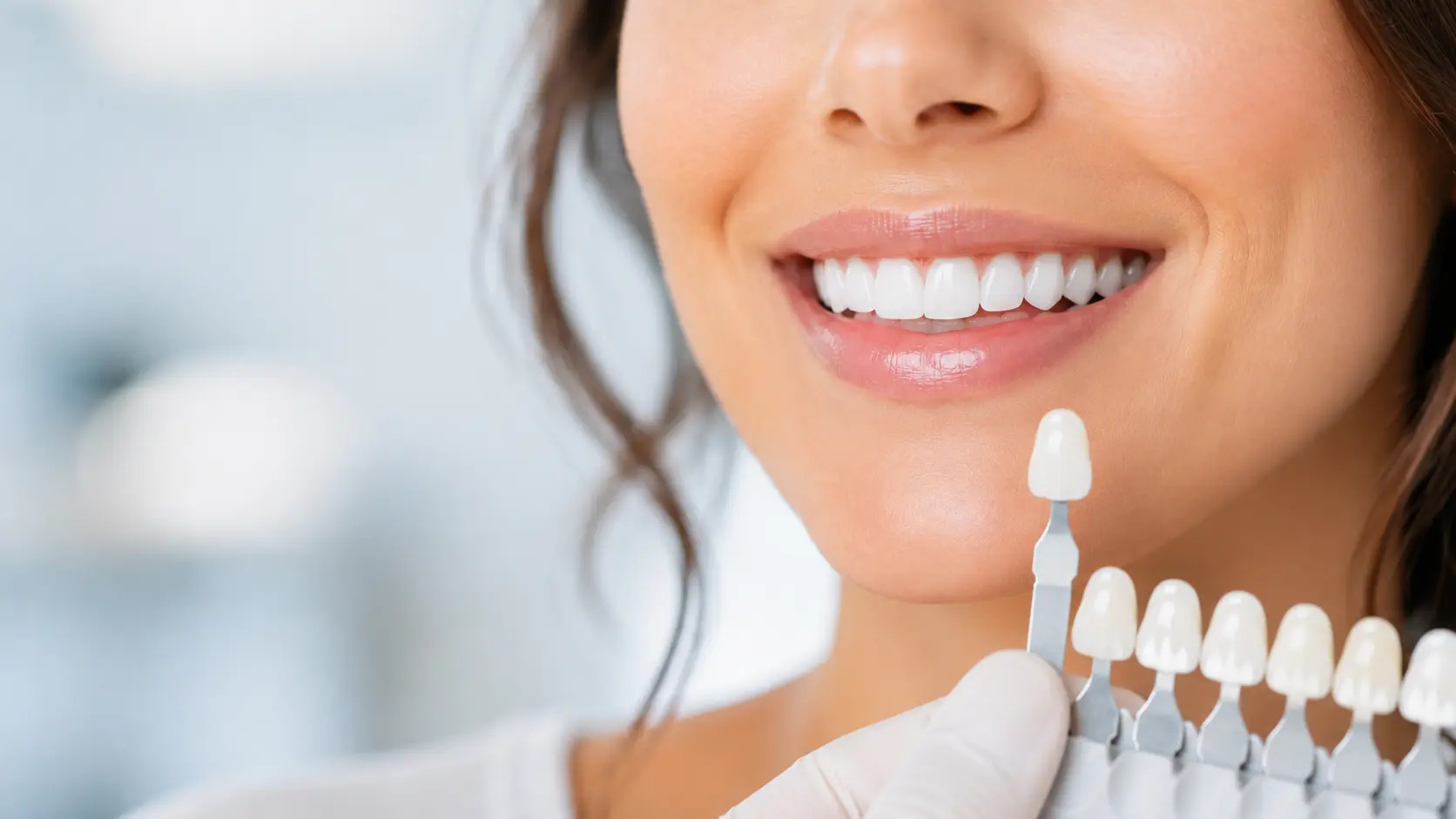
A veneer requiring little or no reduction preserves more natural tooth structure than a more aggressive preparation.
That does not mean every minimal-prep veneer case should be described as reversible.
Bonding procedures, enamel conditioning, selective preparation and the condition of the tooth after restoration removal can all matter.
If preservation is important to you, tell Dr. Reeves. The useful conversation is about how much natural tooth structure can reasonably remain—not an absolute promise that treatment can simply be undone later.
Porcelain veneers are restorations. They can last for many years, but no dental restoration should be presented as permanent.
The condition of the natural tooth and available bonding surface matter.
Thickness, contour, fabrication and ceramic selection all influence the restoration.
Grinding, clenching and where teeth contact can affect long-term performance.
Healthy teeth and gums support the restoration over time.
A conservative technique is only as strong as the case chosen for it.
It is that conservative treatment can perform well when the case is chosen and executed appropriately.
There is not one useful price for a minimal-prep veneer case.
Treatment may involve one tooth, several teeth, a combination of minimal-prep and traditionally prepared veneers, or another treatment entirely after the consultation.
Cost can be affected by the number of veneers, complexity, ceramic and laboratory work, existing dental treatment, whether alignment or whitening is planned first and the overall scope of treatment.
After Dr. Reeves determines what is actually appropriate for the teeth, the Reeves team can explain the recommended treatment and associated fees.
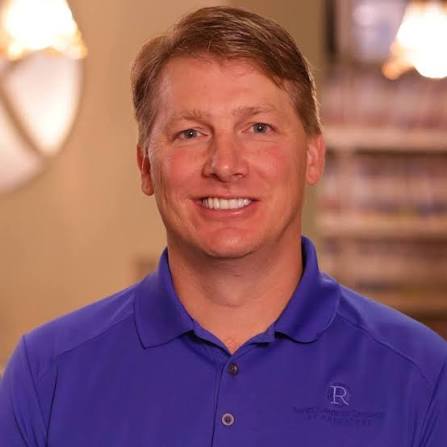
Dr. Todd Reeves established the Greystone practice in 1997 after earning his dental degree from the University of Alabama at Birmingham.
His continuing education has included cosmetic training through the Las Vegas Institute. That experience matters when a patient is specifically interested in preserving tooth structure.
Minimal preparation is not achieved simply by choosing a thinner piece of porcelain. Treatment begins with the relationship between the existing tooth and the proposed final tooth.
Sometimes there is room to add. Sometimes a small amount of reduction produces a better contour. Sometimes the tooth should be moved first. And sometimes a veneer is more treatment than the tooth needs.
The conservative decision is the one that makes sense after all of those possibilities have been considered.
Reeves offers DURAthin veneers as a conservative porcelain option.
Bonding, whitening, ClearCorrect, conventional porcelain veneers and minimal-prep veneers give Dr. Reeves alternatives when one procedure is not the best answer.
The goal is not to call every case “no-prep.” It is to preserve natural structure when that preservation is compatible with a natural result.
Tooth position, bite, existing dental work and underlying color can all change the veneer plan.
Dr. Reeves has practiced in Greystone since 1997.
Reeves Cosmetic Dentistry is located at 8040 Hugh Daniel Drive in Birmingham, in the Greystone area near the Highway 280 corridor.
If you have been searching for minimal-prep veneers in Birmingham because you want to improve your smile without removing more natural tooth structure than necessary, bring that concern to the consultation. It is a reasonable priority.
Dr. Reeves can evaluate whether your starting tooth position, shape and color make a minimal-preparation approach appropriate—or explain why a different option would produce a stronger result.
8040 Hugh Daniel Drive
Birmingham, AL 35242
(205) 991-9997
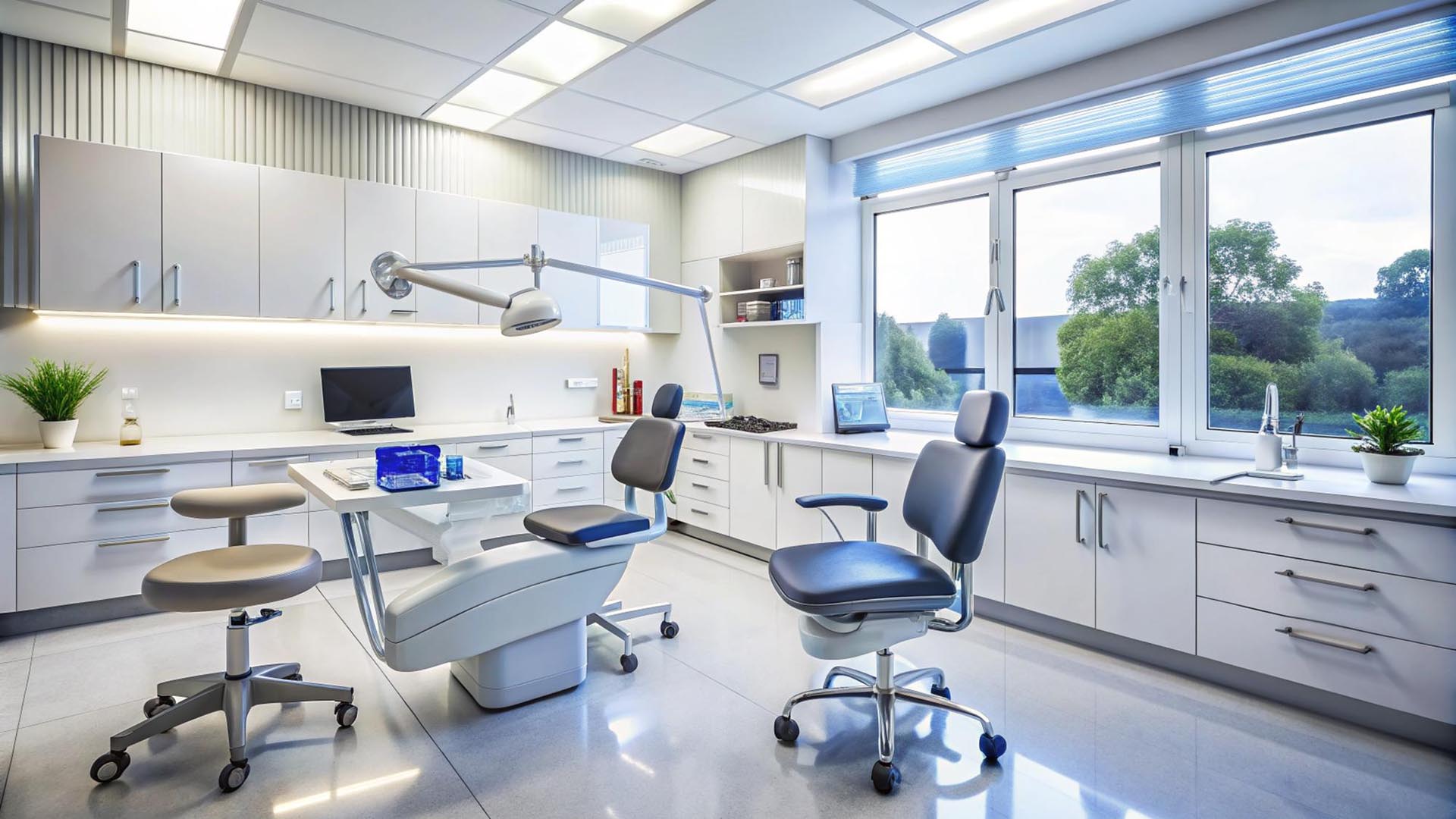
Free parking is available directly in front of the office.
Minimal-prep veneers are thin ceramic restorations designed to improve selected cosmetic concerns while requiring less tooth reduction than a more traditional veneer preparation. The exact amount of preparation depends on the tooth and treatment plan.
Not necessarily. A no-prep veneer is placed without intentional facial tooth reduction. A minimal-prep veneer may involve small, selective modifications where necessary for contour, fit or aesthetics.
Reeves offers DURAthin veneers, which are designed as very thin porcelain restorations for selected cases where little or no tooth reduction may be appropriate. Candidacy still depends on the individual teeth.
No. Tooth position, color, shape, bite and the amount of cosmetic change requested all matter. Case selection is central to minimal- and no-preparation veneer treatment.
Neither approach is universally better. Minimal preparation can preserve more tooth structure in an appropriate case. A more conventional preparation may provide better control when significant color, position or contour changes are required.
Selected minor alignment appearances may sometimes be incorporated into a veneer plan, but adding porcelain is not a substitute for moving substantially misaligned teeth. Dr. Reeves may discuss ClearCorrect when tooth movement would create a more conservative starting point.
Certain spaces may be addressed by changing the width and proportions of neighboring teeth with thin porcelain. The size of the gap and tooth positions determine whether that approach will look natural.
It depends on the severity and type of discoloration. The thinner and more translucent a ceramic restoration is, the more the underlying tooth color can influence the result. Significant discoloration may require another preparation or restorative strategy.
Yes. DURAthin veneers are very thin porcelain restorations.
They should not be intentionally designed to look bulky, but an additive veneer can become too prominent when the starting tooth does not provide enough room. That is one reason Dr. Reeves evaluates the desired final contour before deciding whether preparation is needed.
It is safer not to describe veneer treatment as universally reversible. Minimal preparation can preserve more natural tooth structure, but bonded porcelain is still dental treatment and the exact consequences of future removal depend on the individual case.
Sometimes. Composite bonding may be appropriate when only a small edge, space or contour needs modification. Thin porcelain may make more sense when the amount or type of cosmetic change favors a ceramic restoration.
Sometimes tooth movement can improve the starting position and reduce the amount of tooth structure that would otherwise need to be changed for a veneer. Dr. Reeves can determine whether ClearCorrect should be considered before cosmetic treatment.
There is no single lifespan that applies to every case. Case selection, bonding, bite forces, habits, materials and oral health all matter. Chipping, debonding or future replacement can occur.
Cost depends on the number of teeth, ceramic work, complexity and whether other treatment needs to happen first. After Dr. Reeves develops the treatment plan, the office can provide a meaningful estimate.
Schedule a cosmetic consultation and show Dr. Reeves what you would like to change. He can evaluate the current tooth position, shape, color, enamel and bite and determine whether a minimal-preparation approach is appropriate.
Maybe you want different proportions. A space closed. Several teeth to feel more balanced. Or a smile that simply looks more refined.
It is reasonable to ask how much natural tooth structure would need to be altered before getting there.
Do not begin with the promise of “no-prep.”
Begin with the smile you want.
Dr. Reeves can work backward from that result and determine whether DURAthin or another minimal-preparation veneer approach can achieve it while preserving more of the natural tooth.
Request a veneer consultation online or call the Greystone office directly.

Personalized cosmetic, restorative, implant and family dentistry in Greystone, Birmingham, Alabama.
Copyright © 2027 All Rights Reserved.