
Greystone, Birmingham•Serving patients since 1997

Teeth grinding can happen quietly enough that the first evidence appears on the teeth rather than in the patient’s memory. Worn edges, small fractures, damaged restorations or morning jaw fatigue can develop even when someone has no idea what happens while they are asleep.
Dr. Todd Reeves and Dr. Coleman Reeves provide evaluation for grinding, clenching and tooth wear at Reeves Cosmetic Dentistry in Greystone. When a night guard is appropriate, the appliance is designed around the patient’s teeth and bite rather than treating every worn tooth as the same problem.
A night guard has a specific job. It creates a protective barrier between the teeth to reduce the damage that grinding and clenching can cause, but it does not automatically eliminate the underlying reason someone is bruxing.
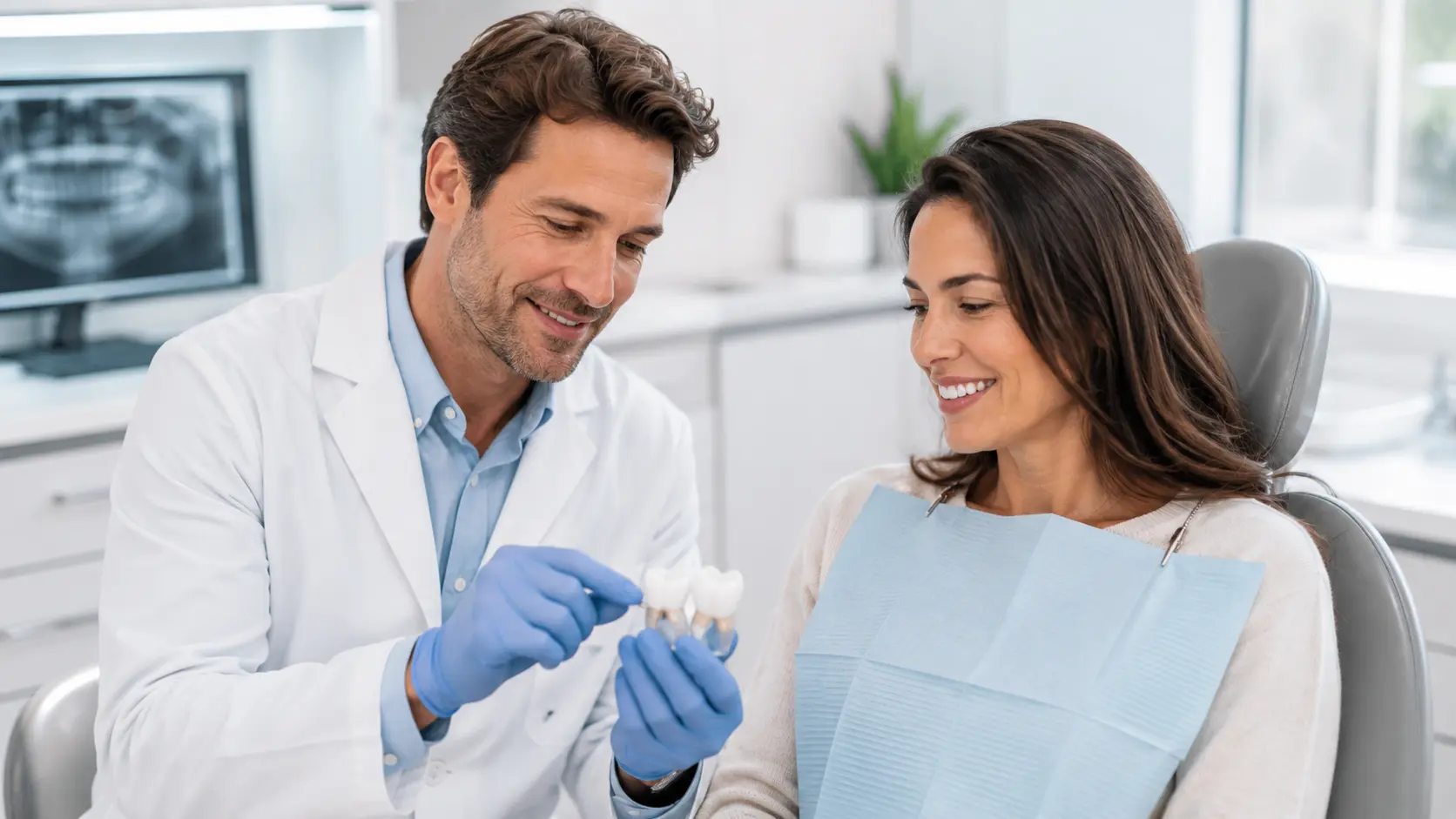
The guard protects teeth and restorations from grinding contact. It can provide useful protection even when the grinding behavior continues.

Bruxism is the involuntary or habitual grinding, clenching or gnashing of the teeth. It can happen while a person is awake or during sleep, and many people are unaware that the behavior is occurring.
Not every case produces the same amount of damage or discomfort. Some patients primarily show wear on the teeth, while others notice jaw fatigue, sensitivity, headaches or damage to existing dental work.
The examination helps determine whether the signs are consistent with bruxism and whether the teeth would benefit from additional protection.
A night guard places a durable dental material between the upper and lower teeth while the patient sleeps. That separation can help protect tooth surfaces and restorations from direct grinding contact and reduce the damage associated with repeated clenching and grinding.
The purpose is protection rather than a promise that the appliance will stop every grinding event. A well-designed guard gives the forces somewhere safer to go instead of repeatedly allowing tooth to contact tooth.
Protecting the teeth and understanding why the behavior may be occurring are related goals, but they are not the same treatment.
The appliance creates a protective interface between the teeth while the patient sleeps, helping reduce direct grinding contact.
Grinding can gradually change the shape of the biting surfaces and edges of the teeth. Wear patterns can become more noticeable over time, particularly when the same areas repeatedly contact under heavy force.
Repeated force can contribute to small fractures or chips in vulnerable teeth. A fracture still requires individual evaluation because grinding is only one possible cause.
Crowns, fillings and other restorations are designed to function under normal biting forces. Heavy or repetitive grinding can place additional stress on both the restoration and the tooth supporting it.
Some patients wake with tired or tight jaw muscles after clenching during sleep. Muscle soreness can have several causes, so the symptom should be considered together with the dental examination.
Wear or damage can expose areas of the tooth that become sensitive to temperature or pressure. Sensitivity is not specific to bruxism and should be evaluated before assuming grinding is responsible.
Some people who clench or grind report dull morning headaches or facial tension. Headaches have many possible causes, which means the dental findings still have to support the connection.
People who grind their teeth during sleep are not necessarily awakened by the behavior. A spouse may hear the grinding, but in many cases the first clue comes from changes that are visible during a dental examination.
Dr. Reeves can look at tooth wear, fractures, restorations, muscle tenderness and the way the teeth contact. No single worn edge proves that someone has sleep bruxism, so the pattern matters more than one isolated finding.
Regular examinations also make comparison possible. A wear pattern that has remained stable for years is different from one that appears to be progressing.
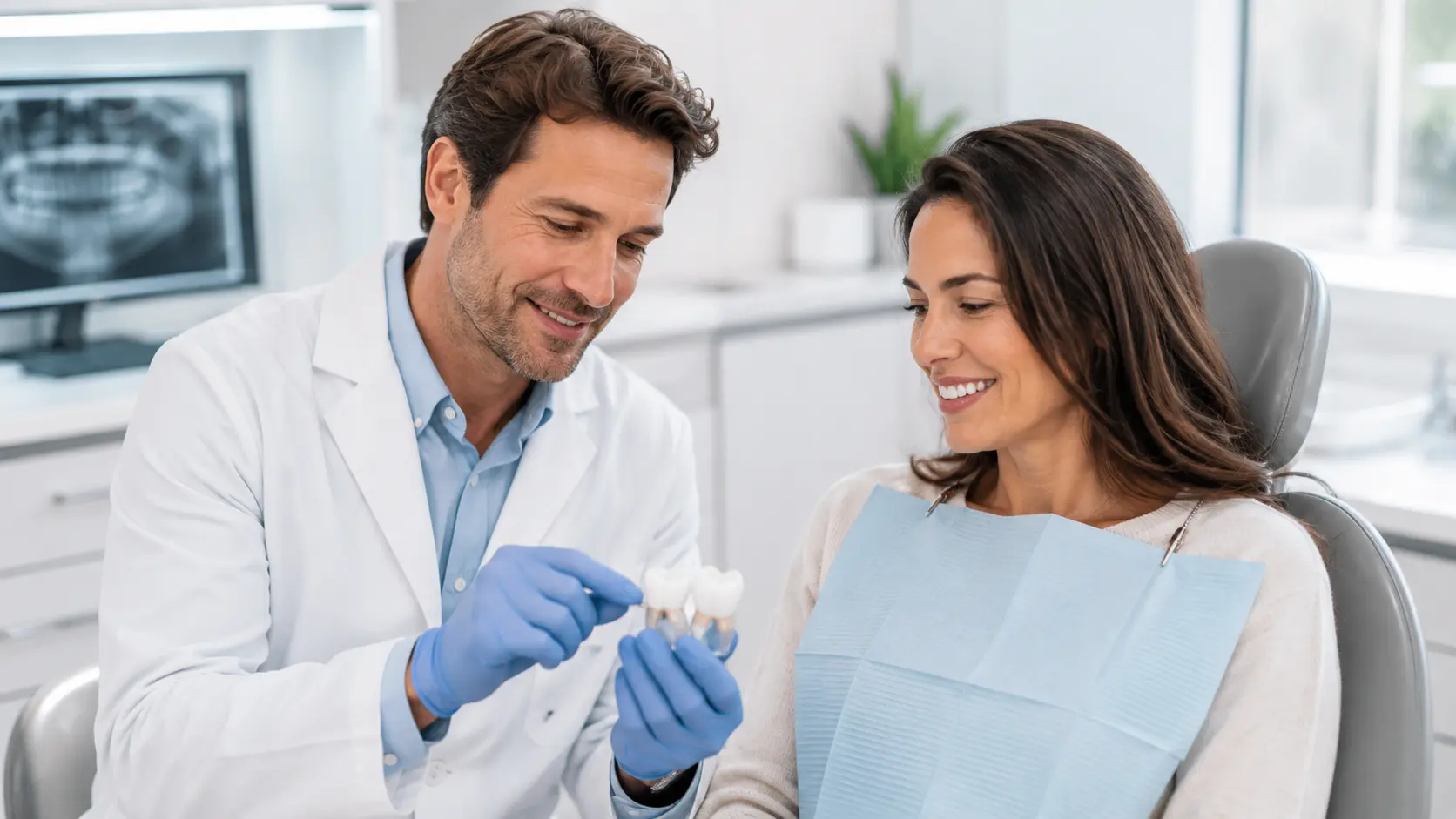
Grinding usually involves movement of the teeth against one another. Clenching can involve sustained pressure with little movement, which means someone can generate considerable force without creating the sound commonly associated with grinding.
Both behaviors can place stress on teeth, restorations and jaw muscles. A patient does not need to hear grinding at night before an evaluation for bruxism becomes reasonable.
The pattern of wear and symptoms can provide information that the patient cannot observe while asleep.
Clenching can load the teeth and restorations heavily even when there is little sliding movement and no audible grinding.
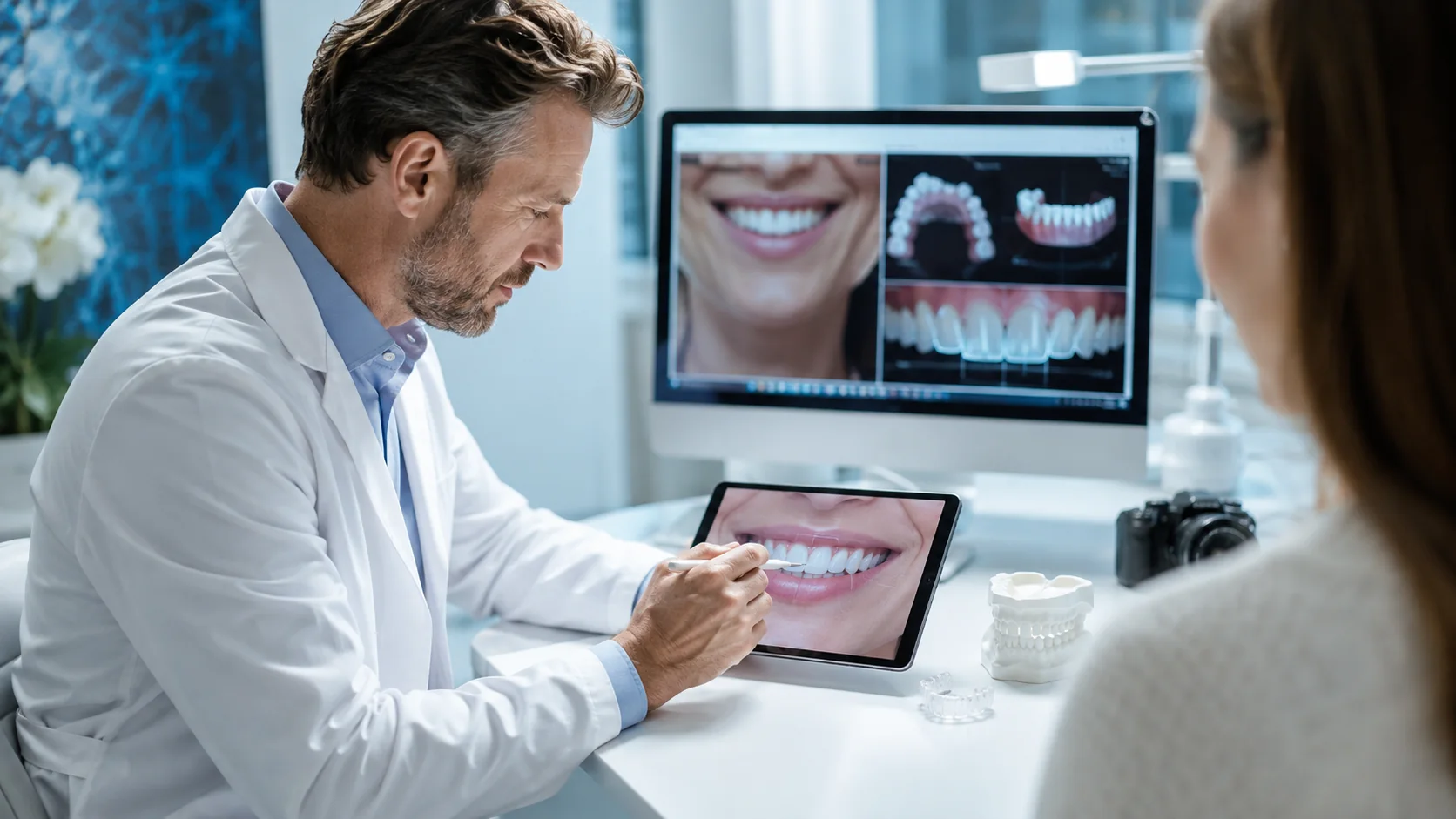
Awake bruxism often involves clenching or holding the jaw muscles tense during concentration, stress or certain repetitive activities. Because the patient is awake, increasing awareness of the habit can become part of management.
Sleep bruxism occurs while the patient is asleep and cannot simply be stopped through conscious reminders. A nighttime appliance may therefore help protect the teeth even when the behavior itself continues during sleep.
Some patients experience both. The most useful plan considers when the behavior is occurring rather than treating every form of bruxism as identical.
Not necessarily. The primary purpose of a night guard is to protect the teeth and dental work from damaging contact while the appliance is being worn.
Bruxism can be influenced by several factors, and the exact cause is not always clear. Stress, sleep-related factors, medications and other health considerations may become relevant depending on the individual patient.
The guard can still be valuable even when it does not remove the underlying behavior. Preventing repeated damage to the teeth is a worthwhile goal on its own.
The appliance can reduce damage even when the grinding behavior continues, which is why the guard should not be judged only by whether it makes bruxism disappear.
Over-the-counter guards are widely available and may provide a basic physical barrier between the teeth. A custom dental night guard is made from an impression or digital record of the patient’s mouth so the appliance can be designed around the actual teeth and bite.
Fit becomes important because the guard has to stay in position throughout the night while allowing the teeth and jaws to function appropriately against the appliance. A device that is bulky, unstable or uncomfortable is less useful if the patient cannot wear it consistently.
Dr. Reeves can also examine the appliance at future visits. Wear on the guard itself can provide additional information about how heavily different areas are contacting.
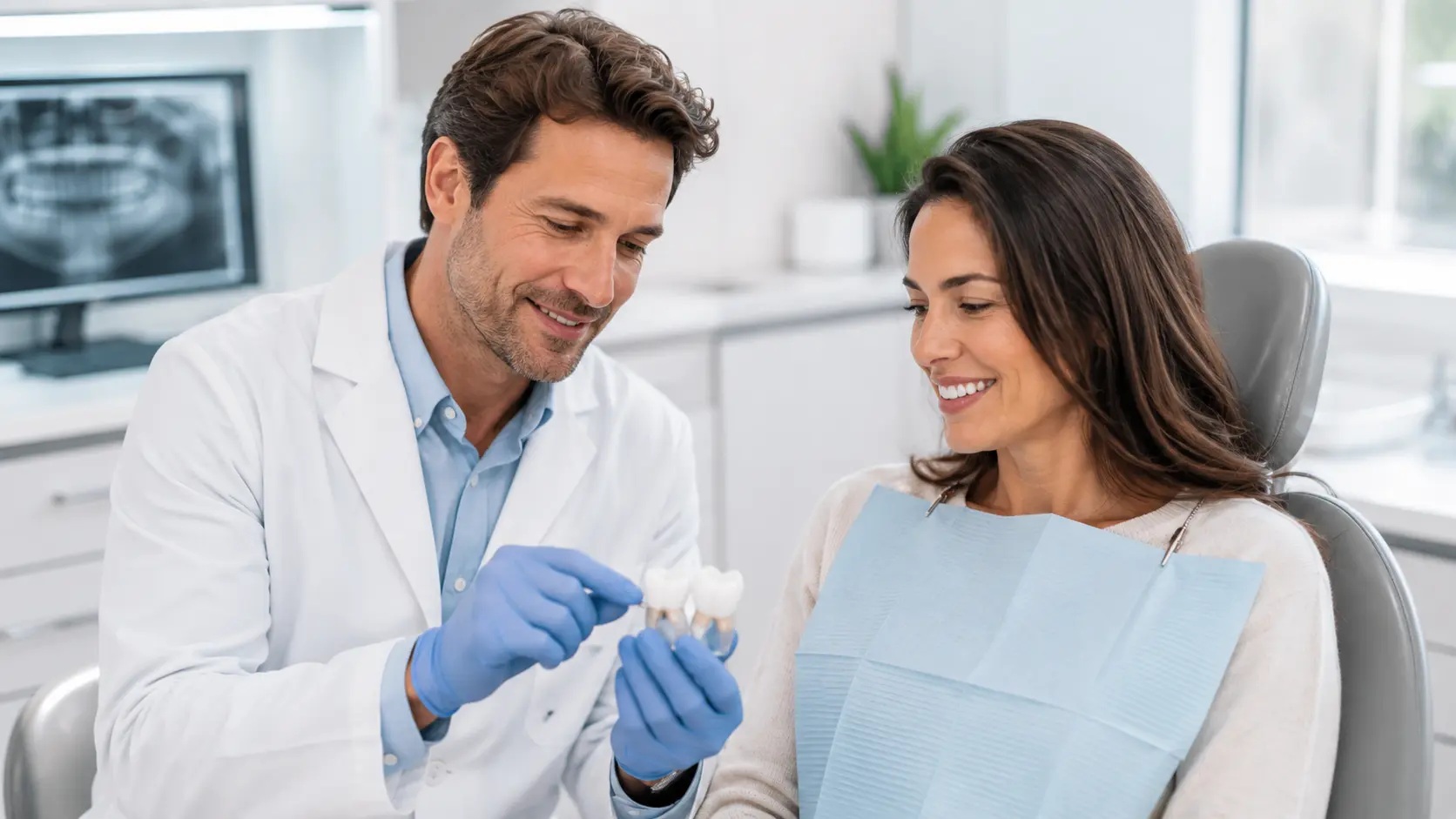
A night guard is intended to protect the teeth rather than permanently move them into a different position. The design, fit and way the opposing teeth contact the appliance therefore matter.
If a guard creates persistent pain, feels unstable or seems to change how the teeth meet after it is removed, the appliance deserves evaluation. A protective dental appliance should not be accepted simply because discomfort is assumed to be part of wearing one.
Follow-up gives Dr. Reeves an opportunity to check the fit and make adjustments when appropriate.
A protective guard should fit securely and be evaluated if it causes persistent discomfort or changes in how the teeth meet.
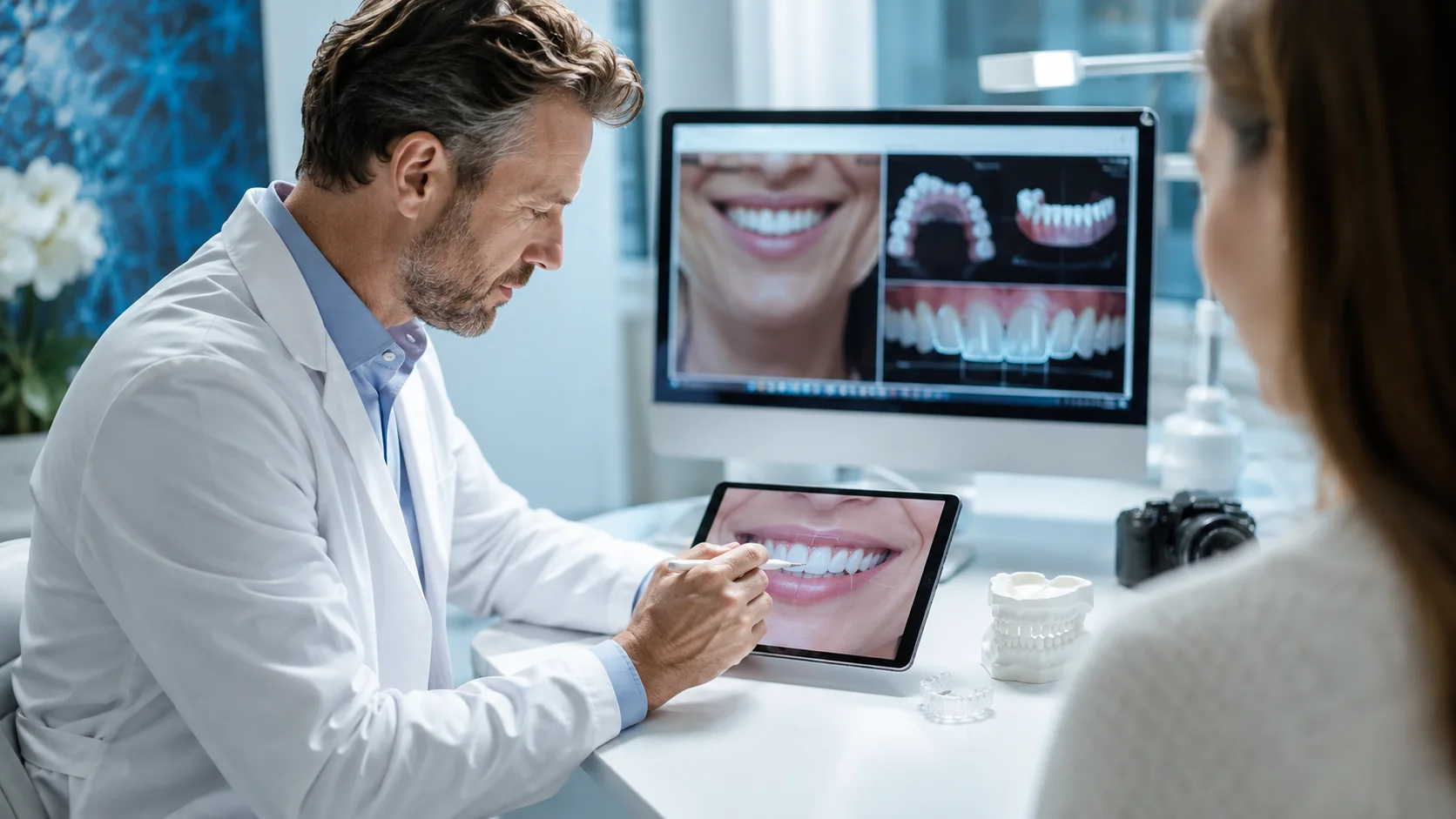
Dental restorations have to function inside the same bite as the natural teeth. When someone generates heavy grinding or clenching forces, those forces do not disappear simply because a tooth has been restored.
A custom night guard may be considered when protecting extensive or vulnerable dental work is appropriate. The goal is to reduce repeated nighttime stress on both the restoration and the tooth underneath it.
That can become especially relevant after crowns, veneers or more comprehensive restorative treatment. The appliance should still be selected according to the patient’s actual bite and grinding pattern.
Heavy or repeated biting forces can contribute to stress on teeth and restorations. Bruxism may therefore be one factor considered when a patient has chips, cracks or repeated restorative failures.
A cracked tooth still needs its own diagnosis. Grinding can contribute to the environment in which a fracture occurs, but it does not tell Dr. Reeves how deeply the tooth is cracked or whether the tooth can be restored.
If a tooth has already fractured, treatment of the tooth comes first. A night guard may become part of protecting that treatment afterward when appropriate.
The crack itself requires diagnosis first. A guard may later help reduce repeated force on the treated tooth and surrounding dentistry.
A patient who clenches heavily can develop tired or uncomfortable jaw muscles. Temporomandibular disorders, however, include a range of conditions involving the jaw joints, muscles and surrounding structures.
Evidence for oral splints as a universal treatment for TMD pain is limited. A night guard should therefore not be presented as a universal solution for jaw pain simply because someone also grinds or clenches.
Dr. Reeves can examine the teeth, bite and symptoms and determine whether the problem appears primarily protective, muscular or more complex. Persistent joint pain or dysfunction can require a different evaluation.
The presence of bruxism does not prove that every jaw symptom comes from grinding, and a protective guard should not be presented as a universal TMD treatment.
Stress and anxiety are commonly associated with clenching and grinding, but they do not explain every case. Sleep conditions, medications, tobacco, alcohol, caffeine and other individual factors can also become relevant.
That is why a worn tooth should not automatically produce the conclusion that someone simply needs to relax. The dental examination can identify the damage, while the broader history can help determine whether another part of the patient’s health deserves attention.
When another condition is suspected, coordination with the appropriate medical clinician may be useful.
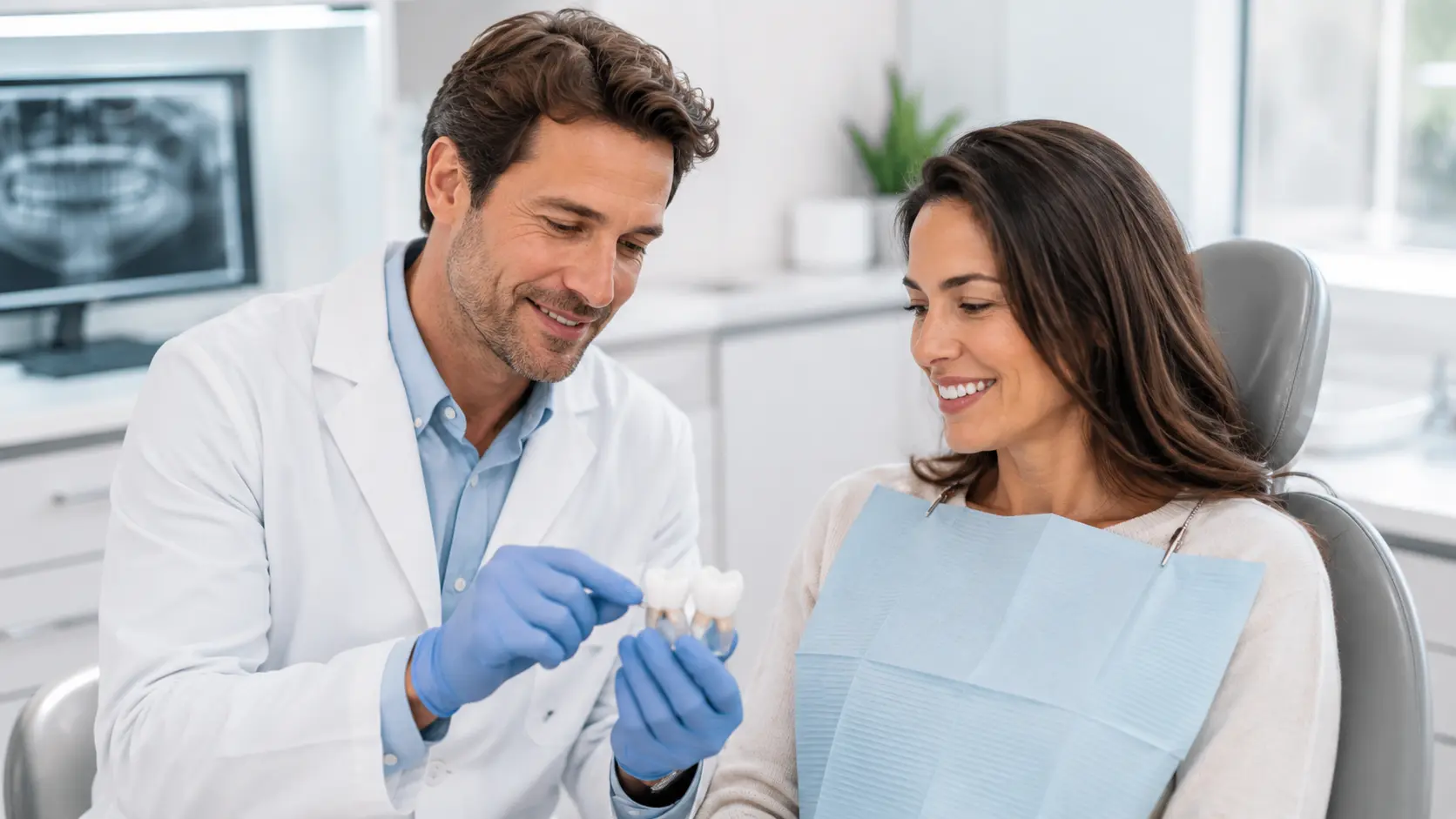
Sleep bruxism can occur independently, but grinding can also appear in patients who have other sleep-related concerns. Loud snoring, witnessed breathing pauses, gasping during sleep, excessive daytime sleepiness or other symptoms can make the sleep history more significant.
A night guard can protect the teeth without answering whether another sleep condition is present. If the history raises concern about a sleep-related breathing disorder, that question deserves appropriate medical evaluation rather than being assumed to be solved by a dental guard.
That distinction is particularly important when snoring is part of the conversation.
Snoring, witnessed pauses, gasping and daytime sleepiness can justify a separate medical sleep evaluation even when the teeth also need protection.

A night guard for teeth grinding is designed primarily to protect the teeth and restorations from damaging contact. A snoring oral appliance is designed differently because its purpose involves changing the position of the lower jaw and related oral structures during sleep.
One appliance should not be substituted for the other simply because both are worn at night. The diagnosis, objective and design are different, which means the evaluation should also be different.
Someone who needs protection from bruxism may need a conventional night guard. Someone seeking an appliance because of snoring first needs the sleep-related concern considered appropriately.
Snoring occurs when tissues vibrate as air moves through the upper airway during sleep. Some people have primary snoring without obstructive sleep apnea, but loud or frequent snoring can also be one of the symptoms associated with sleep apnea.
That is why the objective should not simply be making the sound quieter without understanding the sleep history. If snoring occurs with witnessed pauses in breathing, gasping, choking, significant daytime sleepiness or other concerning symptoms, medical sleep evaluation becomes particularly important.
We can evaluate dental structures and oral-appliance considerations. Diagnosis of a sleep-related breathing disorder belongs within appropriate medical care.
A dental appliance should not be used to bypass appropriate medical evaluation when the history raises concern for obstructive sleep apnea.
A dental oral appliance used for snoring is generally designed to hold the lower jaw in a different position during sleep. That change can help support the airway and reduce vibration in appropriately selected patients.
The appliance is not the same as a thin protective night guard used for bruxism. Because snoring can also be associated with obstructive sleep apnea, the sleep-related diagnosis should be clear before an appliance is treated as the solution.
If medical evaluation identifies a sleep-related breathing disorder, oral appliance therapy should be coordinated according to the diagnosis and the recommendations of the appropriate medical and dental clinicians.
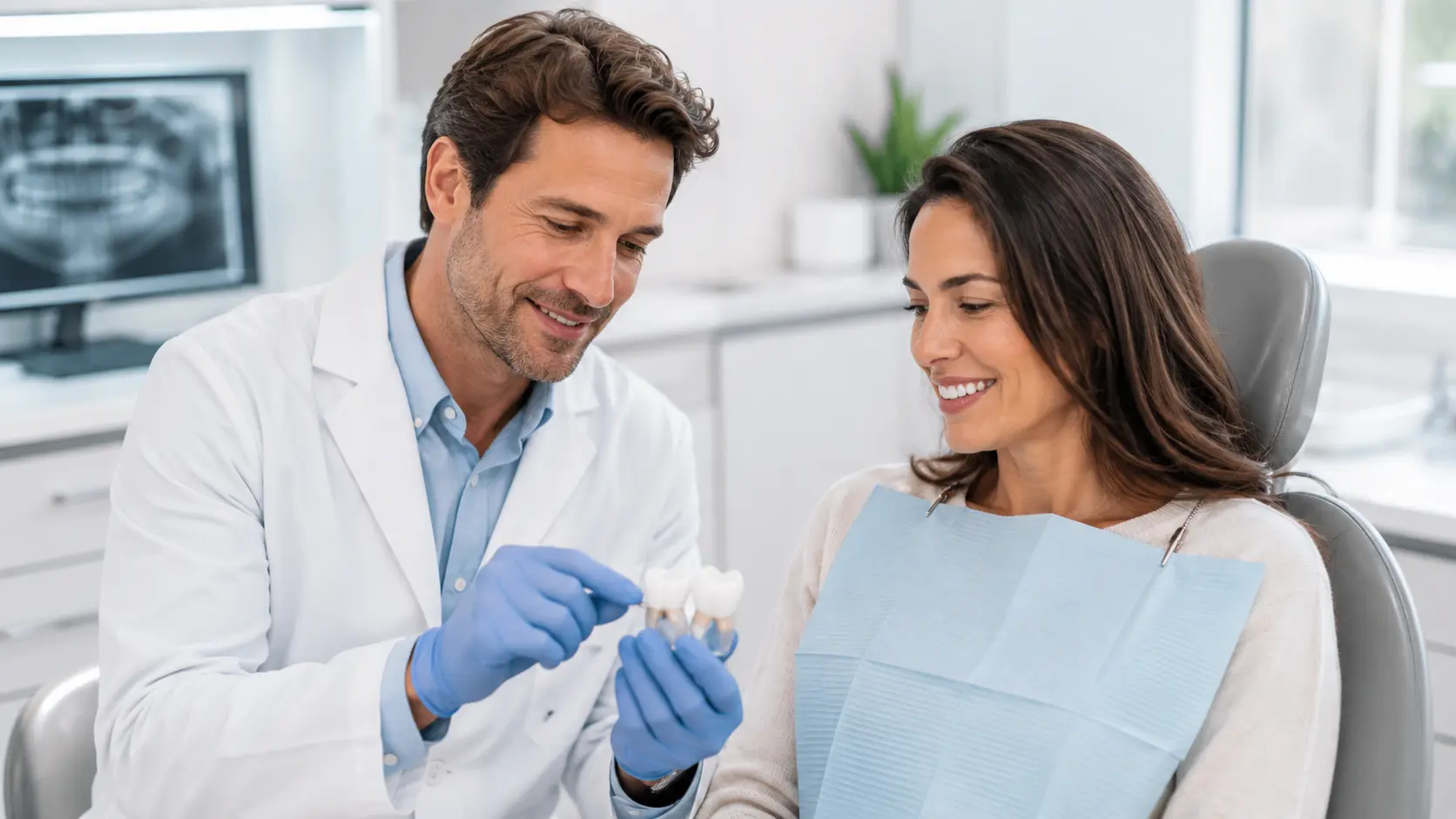
Obstructive sleep apnea is a medical sleep disorder involving repeated obstruction of the airway during sleep. Diagnosis requires an appropriate medical sleep evaluation rather than determining the condition from tooth wear or snoring alone.
Oral appliance therapy can be used for selected patients with diagnosed obstructive sleep apnea, but that process is different from simply providing a night guard for bruxism. When OSA is suspected or already diagnosed, care should involve appropriate physician diagnosis and follow-up along with a dentist trained to provide the prescribed oral appliance therapy.
Reeves can help identify when the dental history suggests that another evaluation may be appropriate. A protective night guard should never be presented as a substitute for that medical assessment.
A bruxism guard protects teeth. Diagnosis and treatment of obstructive sleep apnea require the appropriate medical pathway and, when oral appliance therapy is used, coordinated dental care.
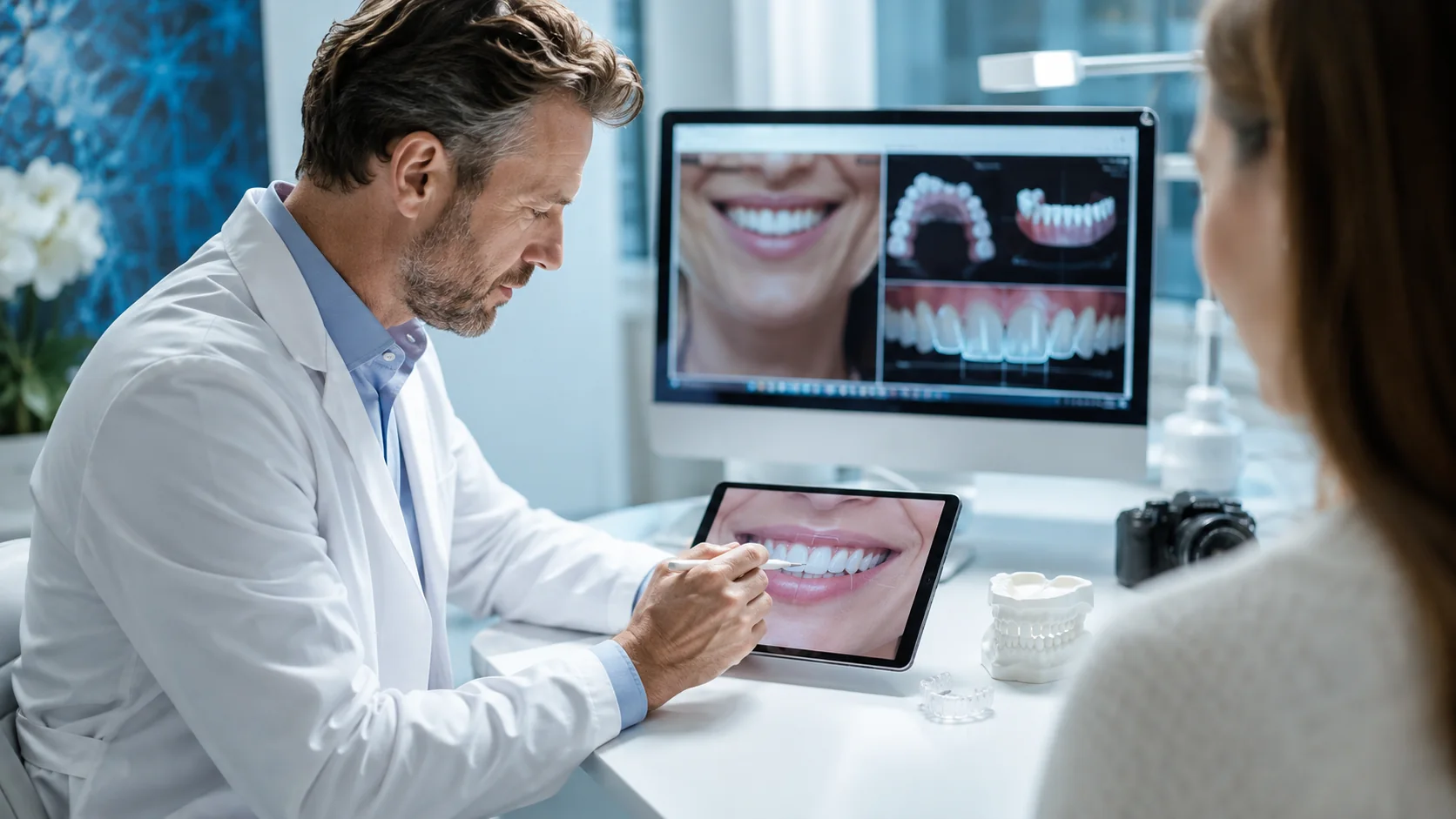
The evaluation can include the amount and pattern of tooth wear, existing fractures, restorations, sensitivity, muscle symptoms and the way the upper and lower teeth meet. Dr. Reeves also considers what the patient has noticed at night or during the day.
If a guard is appropriate, records of the teeth and bite are used to create the appliance. The design should reflect the mouth that will actually be wearing it rather than relying on a generic one-size approach.
Follow-up allows the fit, comfort and contact pattern to be checked after the patient has begun using the appliance.
A night guard should be cleaned regularly according to the instructions provided with the appliance. It should also be allowed to dry appropriately and stored in a protective container when it is not being worn.
Hot water can distort some dental materials, and aggressive cleaning methods can damage the appliance. Bringing the guard to dental visits also allows Dr. Reeves to inspect its condition and look for areas of significant wear.
A heavily worn, cracked or poorly fitting appliance should not simply be used indefinitely. The condition of the guard can change just as the teeth and restorations can change over time.
The guard itself can show wear, fit changes or damage that deserves attention. Regular inspection helps determine whether adjustment or replacement is appropriate.

Dr. Todd Reeves established the Greystone practice in 1997 after earning his dental degree from UAB in 1995 and graduating second in his class. His decades of comprehensive care provide useful perspective when tooth wear has to be considered alongside existing crowns, fillings, veneers or other dentistry.

Dr. Coleman Reeves earned his dental degree from UAB and practices alongside his father with a restorative focus that includes crowns, implants and more comprehensive restorative treatment. Protecting natural teeth and restorations from excessive force can become an important part of maintaining that dental work over time.
The teeth, restorations, bite, symptoms and reason for the appliance all matter. The goal is protection that fits the actual clinical situation rather than a generic solution.
Worn teeth can have more than one cause, and jaw symptoms can come from more than one condition. Dr. Reeves can evaluate the overall pattern before deciding that a night guard is the appropriate response.
A custom appliance is designed around the patient’s actual teeth and bite. Fit matters because an appliance cannot provide useful protection if it is unstable or difficult to wear.
Crowns, fillings, veneers and other restorations all function within the patient’s bite. A protective appliance should account for the dentistry that is already present rather than treating the mouth as if every tooth were untouched.
A night guard can protect teeth from grinding and clenching forces. It should not be presented as a universal solution for bruxism, headaches, jaw pain or a sleep disorder.
A conventional bruxism guard and a snoring oral appliance perform different jobs. Symptoms suggesting a sleep-related breathing disorder deserve appropriate medical evaluation rather than being hidden behind a dental appliance.
Dr. Todd Reeves established the practice in Greystone in 1997. Long-term preventive and restorative care gives the Reeves team the opportunity to monitor changes in tooth wear and existing dental work over time.
The cost of a custom night guard can depend on the type of appliance and the clinical situation it is designed to manage. A protective bruxism appliance and an oral appliance intended for a sleep-related indication are different devices and should not be priced or described as though they are interchangeable.
Dental insurance coverage also varies between plans. The office can explain the recommended appliance and help determine how the patient’s benefits apply before treatment begins.
If a sleep-related oral appliance requires separate medical evaluation or specialist involvement, those services can involve a different insurance and financial process.
A bruxism guard and a sleep-related oral appliance should be evaluated, designed and discussed according to their actual clinical purpose.
Reeves Cosmetic Dentistry is located at 8040 Hugh Daniel Drive in Birmingham, Alabama 35242, in the Greystone area near the Highway 280 corridor. Dr. Todd Reeves and Dr. Coleman Reeves provide preventive and restorative evaluation for patients concerned about grinding, clenching, tooth wear and damaged dental work.
If you wake with jaw fatigue, have noticed worn or chipped teeth or have been told that you grind while sleeping, you do not need to decide which appliance you need before scheduling. Dr. Reeves can first examine the teeth and bite and determine whether a custom night guard is appropriate.
Snoring deserves a separate conversation because a snoring oral appliance serves a different purpose. Symptoms that raise concern for obstructive sleep apnea should receive the appropriate medical evaluation rather than being treated as routine bruxism.
8040 Hugh Daniel Drive
Birmingham, AL 35242
(205) 991-9997
Monday–Thursday, 8:00 AM–5:00 PM
A night guard is a removable dental appliance worn over the teeth while sleeping. It creates a protective barrier that can reduce damage from grinding and clenching.
Bruxism is grinding, clenching or gnashing of the teeth. It can happen while someone is awake or asleep, and the person may not realize the behavior is occurring.
Signs can include flattened tooth edges, chips, cracks, damaged restorations, jaw fatigue and morning headaches. Those findings have other possible causes, so a dental examination is useful before assuming bruxism is responsible.
A dentist can look for patterns of tooth wear, fractures, muscle tenderness and other findings that may be consistent with bruxism. No single mark on a tooth proves sleep bruxism, so the overall pattern and patient history matter.
Not necessarily. A night guard is primarily intended to protect the teeth from damaging contact rather than guarantee that the grinding behavior stops.
A guard separates the opposing teeth and can reduce direct grinding contact between them. That protection can help limit additional wear caused by repeated grinding forces.
A night guard may help protect teeth and restorations from excessive grinding and clenching forces when bruxism is present. The appliance should be designed around the patient's existing dental work and bite.
A protective appliance may be considered when a patient with veneers also has evidence of grinding or clenching. The appropriate design depends on the veneers, the bite and the pattern of force.
A custom guard is made from a record of the patient's own teeth and can be adjusted according to the bite. Over-the-counter guards provide a more generic fit and may differ in stability, comfort and durability.
A protective appliance is not intended to permanently alter the bite. Persistent changes in how the teeth meet, pain or significant discomfort should be discussed with the dentist rather than ignored.
The lifespan varies according to the material, the amount of grinding and how well the appliance is maintained. Heavy grinders can wear through an appliance more quickly than someone who generates less force.
The appliance should be cleaned regularly according to the dentist's instructions and stored appropriately when not being worn. Very hot water and harsh cleaning methods can damage some dental materials.
Yes. Dr. Reeves can examine the fit, wear and condition of the appliance during continuing dental visits.
Heavy repeated forces can contribute to stress on natural teeth and restorations. A crack still requires its own evaluation because grinding does not determine the depth or restorability of the fracture.
Some patients who clench or grind report morning headaches or facial muscle tension. Headaches have many possible causes, so the symptom should not automatically be attributed to bruxism.
Clenching and grinding can contribute to tired or uncomfortable jaw muscles in some patients. Jaw pain can also have other causes, including temporomandibular disorders, which means an examination is important.
No universal claim can be made that a night guard cures TMD or jaw-joint pain. The cause of the symptoms has to be evaluated, and protective appliances have a more established role in protecting teeth from bruxism than in guaranteeing relief from TMD pain.
Bruxism appears to have multiple contributing factors rather than one universal cause. Stress, sleep-related factors, medications, tobacco, alcohol, caffeine and individual health factors can all become relevant.
No. Awake bruxism often involves conscious or semi-conscious clenching that may respond to increased awareness, while sleep bruxism occurs when the patient cannot consciously stop the behavior.
Yes. Bruxism can occur in children as well as adults, but treatment decisions should account for growth, developing teeth and the specific pattern of wear or symptoms.
No. A sports mouthguard is designed to cushion impact during athletic activity, while a night guard is designed around the forces and fit requirements associated with sleeping and bruxism.
No. A night guard primarily protects the teeth from grinding and clenching, while a snoring oral appliance is designed to alter jaw position and related airway structures during sleep.
A snoring oral appliance generally holds the lower jaw in a different position during sleep. That positioning can reduce snoring in appropriately selected patients, but the appliance is different from a protective bruxism guard.
Oral appliance therapy can be appropriate for selected patients with medically diagnosed obstructive sleep apnea, but that treatment requires a different process from making a routine night guard. Sleep-apnea diagnosis and medical follow-up should involve an appropriate physician, with dental appliance care coordinated according to that diagnosis.
A dentist can identify symptoms or oral findings that may justify further evaluation, but obstructive sleep apnea is a medical diagnosis. Appropriate sleep testing and medical evaluation are used to determine whether the condition is present.
Not necessarily. Some people snore without obstructive sleep apnea, but snoring is also a common symptom of OSA and deserves greater attention when accompanied by pauses in breathing, gasping, choking or significant daytime sleepiness.
A device that changes jaw position can affect the teeth, bite and jaw joints. A patient concerned about snoring should first make sure a sleep-related breathing disorder has been appropriately considered and should discuss dental appliance use with an appropriate clinician.
Possibly, but the two concerns should be considered separately. A bruxism guard protects the teeth and should not be assumed to treat snoring or sleep apnea.
The treatment plan has to account for both the grinding forces and the sleep-related indication. A dentist involved in oral appliance therapy can consider how the device affects the teeth, bite and restorations while coordinating with the appropriate medical clinician.
Reeves Cosmetic Dentistry is located at 8040 Hugh Daniel Drive in Birmingham, AL 35242, in the Greystone area near Highway 280. The office can be reached at (205) 991-9997.
Maybe you wake with a tired jaw, someone has heard you grind at night or Dr. Reeves has pointed out wear that you had never noticed. You may also have crowns, veneers or other dental work that you want to protect from repeated nighttime force.
The first step is determining whether the pattern actually fits bruxism. Dr. Todd Reeves or Dr. Coleman Reeves can examine the teeth, restorations and bite and determine whether a custom night guard makes sense for you.
If snoring or other sleep-related symptoms are also part of the picture, those concerns deserve to be considered separately. Protecting the teeth is one job; evaluating a possible sleep-related breathing disorder is another.
Request an appointment online or call the Greystone office directly.

Personalized cosmetic, restorative, implant and family dentistry in Greystone, Birmingham, Alabama.
Copyright © 2027 All Rights Reserved.