Preloader
  1. Home
  2. Family Dentistry
  3. Snoring Appliances

SNORING APPLIANCE DENTIST IN GREYSTONE

Snoring Oral Appliances in Birmingham, Alabama

Snoring can be frustrating for the person making the sound and for the person trying to sleep beside them. The important question, however, is not simply how loud the snoring is but whether it represents primary snoring or is part of a larger sleep-related breathing problem.

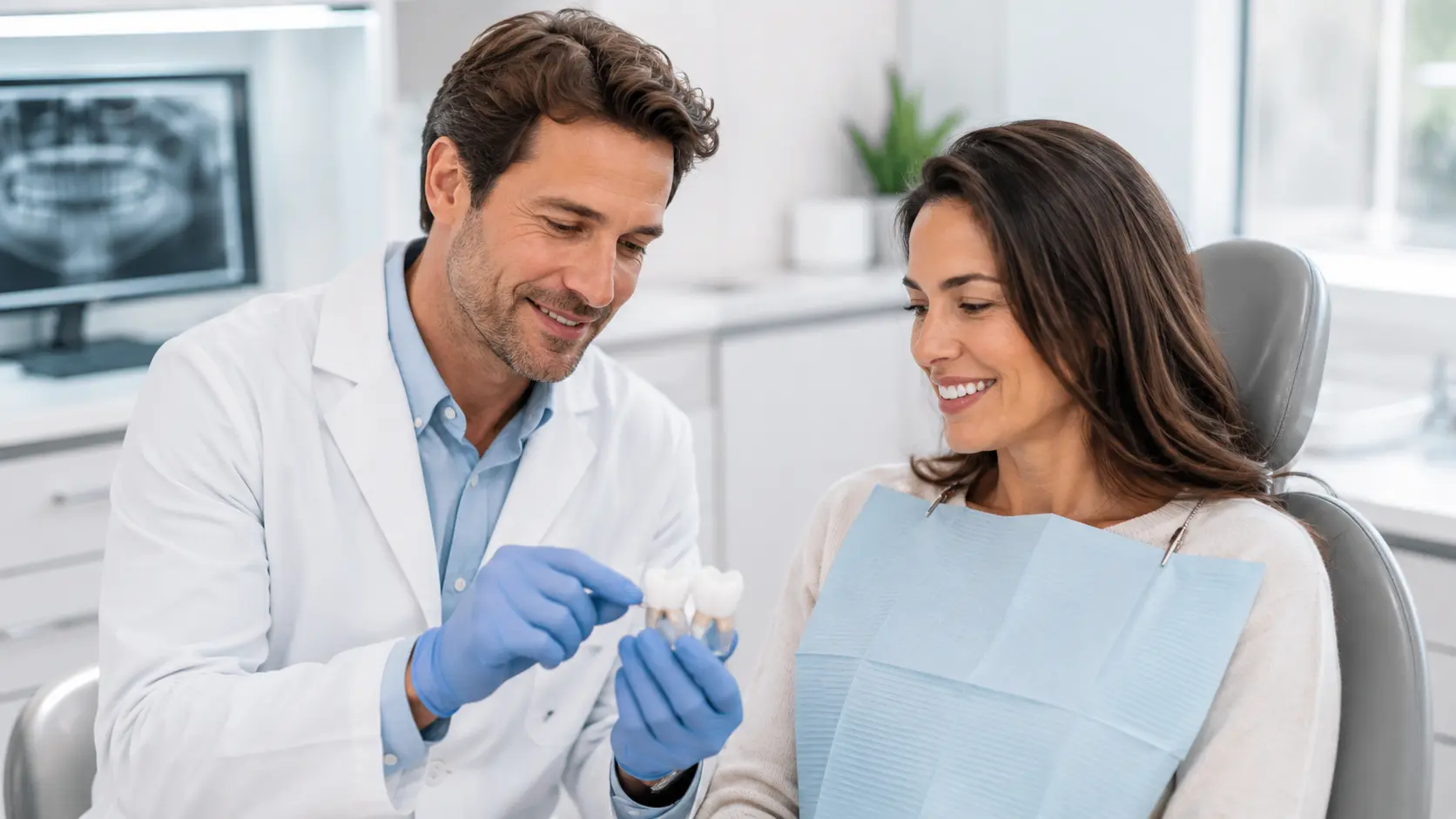
Dr. Todd Reeves provides dental evaluation and snoring-appliance care at Reeves Cosmetic Dentistry in Greystone. When a dental appliance is appropriate, the goal is to use a device designed around the patient’s teeth, bite and jaw rather than relying on a generic over-the-counter product.

A snoring appliance has a specific role. It can help reduce snoring in appropriately evaluated patients, but it should never be used to bypass evaluation for possible obstructive sleep apnea.

UNDERSTAND THE SNORING FIRST

Quieting the sound is not the same as diagnosing the cause.

Primary snoring and obstructive sleep apnea are different conditions. The dental appliance should follow the right evaluation.

Custom dental appliance
Bite evaluation
Sleep concerns handled appropriately

A DENTAL DEVICE DESIGNED FOR SLEEP

What Is a Snoring Oral Appliance?

A snoring oral appliance is a removable device worn over the teeth while sleeping. Most appliances used for this purpose position the lower jaw in a way that can help maintain more space in the upper airway and reduce the tissue vibration that produces snoring.

The appliance resembles a dental retainer in some ways, but its purpose and design are different. It is intended to influence jaw position during sleep rather than simply cover or protect the teeth.

That difference is why the appliance should be evaluated as a dental treatment rather than treated like a generic sleep accessory.

THE SOUND STARTS WITH AIRFLOW

Why Do People Snore?

Snoring occurs when airflow causes tissues in the upper airway to vibrate during sleep. Relaxation of the tongue and surrounding soft tissues can narrow the available space and make that vibration more likely.

The amount of noise does not tell the entire story. Some people have primary snoring without obstructive sleep apnea, while others snore because airway obstruction is occurring as part of OSA.

THE REEVES APPROACH

The sound does not reveal the diagnosis.

Snoring can occur by itself or alongside a sleep-related breathing disorder. The history matters before an appliance is selected.

THE SAME SOUND CAN OCCUR IN DIFFERENT CONDITIONS

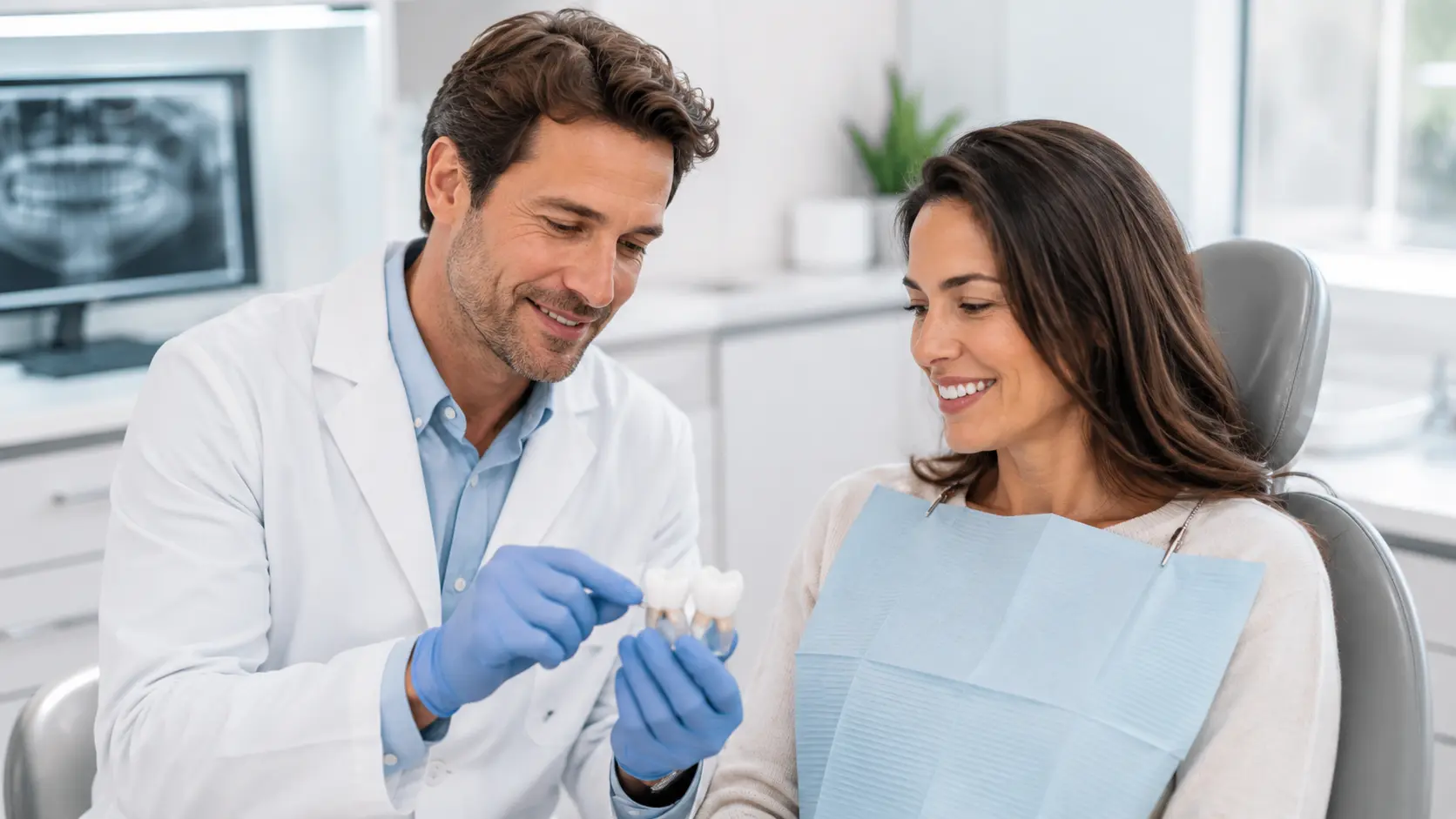
Snoring and Obstructive Sleep Apnea Are Not the Same Diagnosis

Primary snoring means snoring occurs without obstructive sleep apnea. Obstructive sleep apnea involves repeated episodes of partial or complete airway obstruction during sleep and requires a different level of medical evaluation and management.

A person cannot reliably distinguish the two conditions based only on how the snoring sounds. Before snoring is treated as an isolated dental problem, possible sleep apnea needs to be considered appropriately.

The goal is not to make snoring sound less serious than it may be. It is to understand what the snoring represents before deciding how it should be managed.
SNORING IS NOT THE ONLY QUESTION

When Should Snoring Raise Concern About Sleep Apnea?

Witnessed Breathing Pauses

A bed partner may notice pauses in breathing followed by a sudden breath or return of loud snoring. Repeated breathing interruptions deserve medical attention rather than simply trying to quiet the noise.

Gasping or Choking During Sleep

Gasping, choking or waking suddenly with difficulty breathing can be associated with sleep-related breathing disorders. These symptoms should be discussed with an appropriate medical clinician.

Excessive Daytime Sleepiness

Feeling unusually sleepy during the day despite spending enough time in bed can have several causes. When it occurs alongside loud snoring or breathing pauses, sleep apnea becomes an important consideration.

Morning Headaches

Morning headaches can have many possible causes. Their presence with significant snoring or other sleep symptoms can add useful information to the overall history.

Unrefreshing Sleep

Someone may spend an adequate number of hours in bed and still wake feeling poorly rested. Sleep fragmentation caused by breathing problems is one possible explanation that may deserve evaluation.

Difficulty Concentrating

Poor-quality sleep can affect concentration, memory and daytime function. Those symptoms are not specific to sleep apnea, but they become more meaningful when several sleep-related concerns appear together.

DENTAL AND MEDICAL ROLES ARE DIFFERENT

What Can Dr. Reeves Evaluate When You Snore?

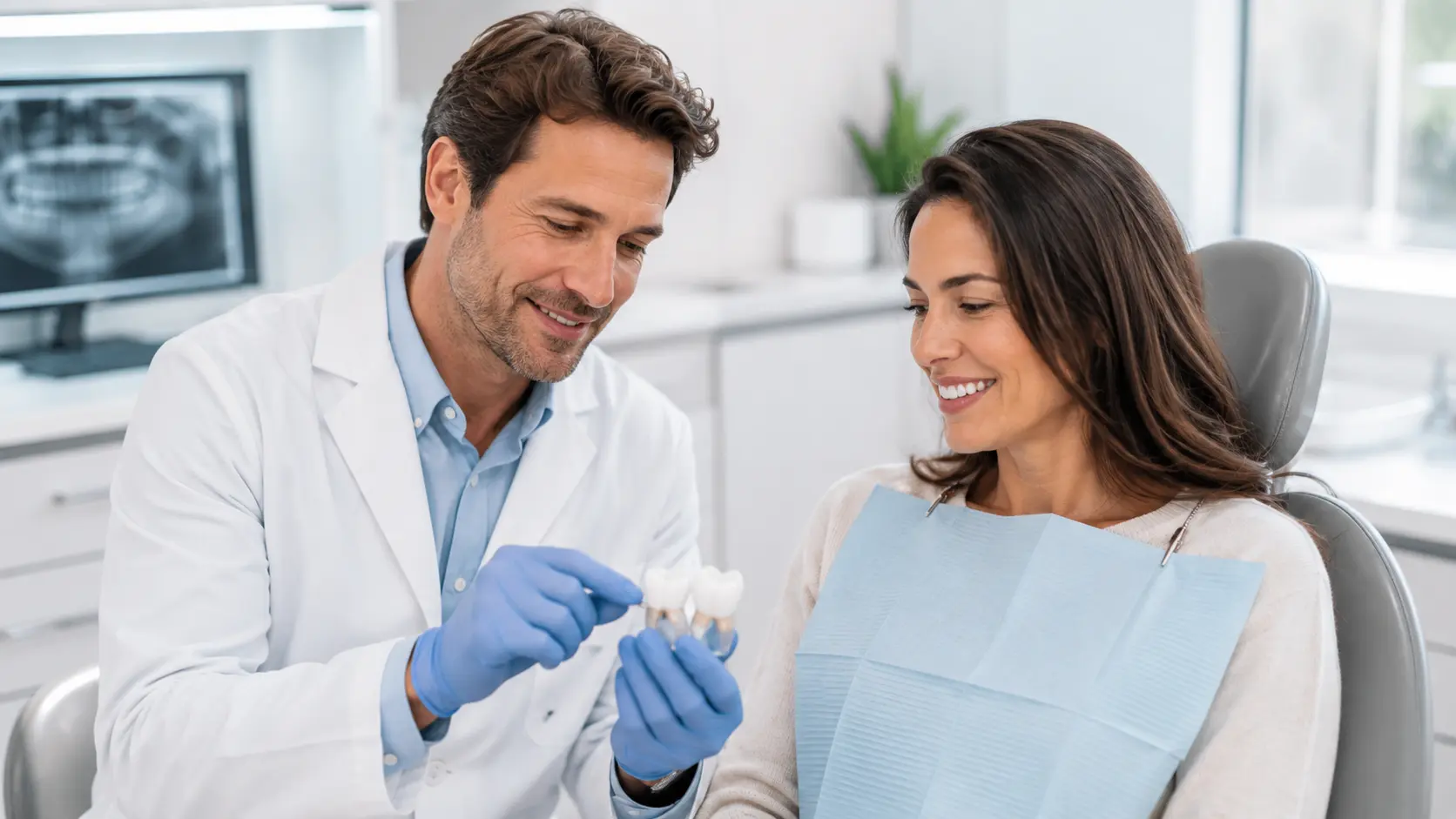
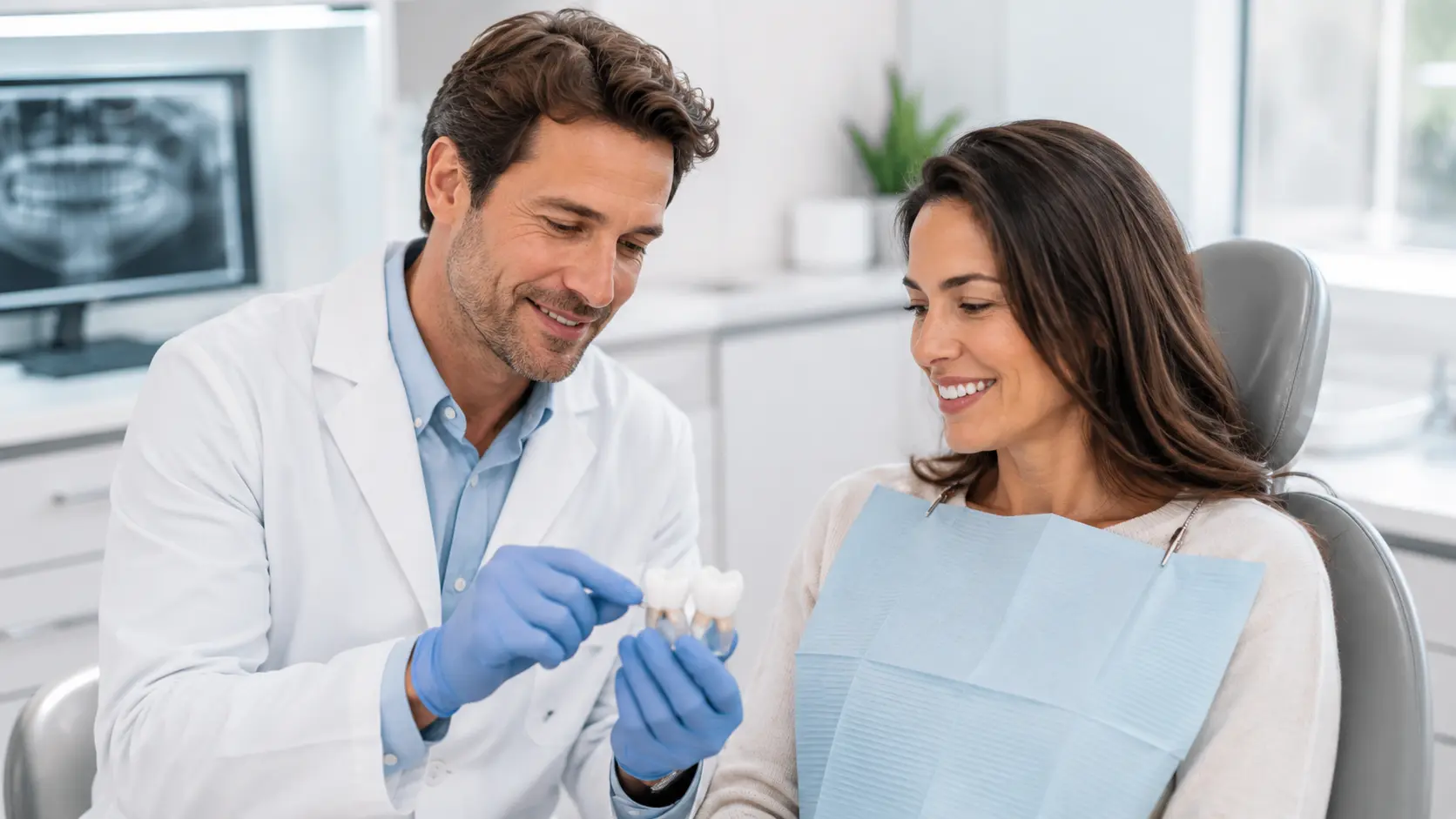
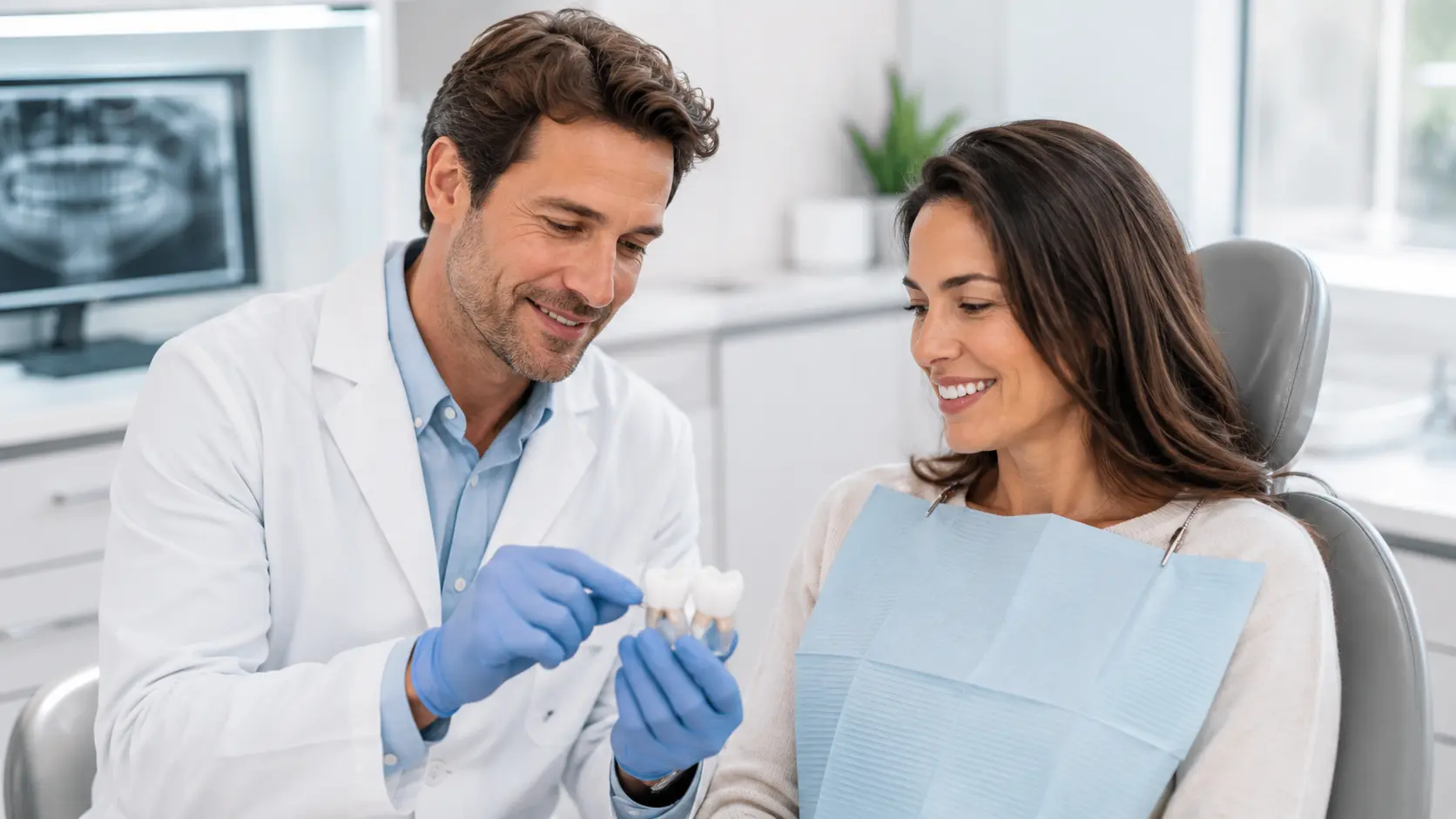
Dr. Reeves can ask about snoring and related symptoms while also examining the teeth, bite, jaw relationships and oral structures relevant to an appliance. That dental evaluation helps determine whether the mouth is suitable for an oral device and whether there are dental concerns that have to be considered first.

The examination does not establish whether someone has obstructive sleep apnea. When symptoms suggest a sleep-related breathing disorder, the appropriate next step is medical sleep evaluation rather than assuming the patient simply needs a snoring appliance.

Dentistry and sleep medicine can therefore work together without one trying to replace the other.

THE REEVES APPROACH

Dental evaluation and medical diagnosis are different jobs.

Dr. Reeves can evaluate the mouth and appliance considerations while sleep-apnea diagnosis remains within the appropriate medical process.

JAW POSITION CAN AFFECT AIRFLOW

How Does a Dental Appliance Help Reduce Snoring?

Many snoring appliances work by holding the lower jaw slightly forward during sleep. That positioning can help support the tongue and surrounding structures and create more space for airflow through the upper airway.

The amount of advancement matters. Moving the jaw farther is not automatically better, which is why appliance adjustment should balance the sleep-related objective with comfort, dental stability and the patient’s bite.

A well-managed appliance is therefore more than a piece of plastic placed over the teeth. It is a device that interacts with the jaw and bite throughout the night.

FIT MATTERS WHEN THE APPLIANCE MOVES THE JAW

Why Choose a Dentist-Prescribed Snoring Appliance?

Over-the-counter snoring devices are widely available, but a generic product cannot account for every patient’s teeth, restorations, jaw relationship or bite. Poorly fitting devices can also be uncomfortable and may create unwanted dental or jaw changes.

A custom dental appliance is designed from records of the patient’s mouth and can be evaluated and adjusted over time. The benefit is not simply that it fits more tightly; the dentist can monitor how the appliance interacts with the teeth and bite.

That continuing oversight becomes especially important when an appliance is intended for long-term nightly use.

THE REEVES APPROACH

Custom fit is only part of the value.

Professional oversight allows the teeth, bite, jaw comfort and appliance wear to be monitored over time.

A CUSTOM DENTAL OPTION FOR SNORING

Silent Nite Snoring Appliance At Reeves

Reeves Cosmetic Dentistry offers the Silent Nite oral appliance as one dental option for patients seeking help with snoring. The appliance is designed to position the lower jaw during sleep while fitting over the patient’s teeth.

Silent Nite should still be selected according to the patient’s actual clinical situation. Offering a particular appliance does not eliminate the need to understand the snoring or screen for signs that may suggest a more significant sleep-related breathing problem.

Dr. Reeves can evaluate the teeth, bite and suitability for a dental appliance before determining whether this approach is appropriate.

TWO NIGHTTIME APPLIANCES. TWO DIFFERENT JOBS.

A Snoring Appliance Is Not the Same as a Night Guard for Grinding

A conventional night guard is designed primarily to protect teeth and restorations from grinding and clenching forces. A snoring appliance is designed to change jaw position during sleep in an effort to reduce upper-airway vibration.

Because the objectives are different, the appliances should not be treated as interchangeable. A bruxism guard should not be expected to treat snoring, and a snoring appliance should not automatically be selected simply because someone also grinds their teeth.

When both problems are present, the treatment plan needs to account for both.

THE REEVES APPROACH

The purpose determines the appliance.

Protecting teeth from grinding and changing jaw position for snoring are different clinical objectives even though both devices are worn during sleep.

TWO PROBLEMS CAN OCCUR AT THE SAME TIME

Snoring and Bruxism May Require One Coordinated Plan

A patient can grind or clench while also snoring. That combination matters because an appliance that changes jaw position also becomes part of the patient’s bite and has to tolerate the forces generated during sleep.

Dr. Reeves can evaluate the teeth for signs of wear, fractures and restorative stress while also considering the purpose of the snoring appliance. The solution should account for the whole mouth rather than treating the snoring and tooth wear as though they exist independently.

Some cases may require a different appliance design or a different sequence of care depending on the findings.

THE DENTAL FOUNDATION MATTERS

Oral Appliance Therapy Depends on Healthy Teeth and Supporting Tissues

A snoring appliance uses the teeth and surrounding structures for retention. Teeth that are significantly mobile, extensively damaged or affected by active periodontal disease can change what type of appliance is appropriate.

Existing crowns, bridges, implants and other restorations also deserve consideration before an appliance is made. The goal is not simply to make the device stay in place but to protect the dentistry supporting it.

A dental examination therefore belongs before long-term appliance use.

THE REEVES APPROACH

The teeth support the device every night.

Periodontal health, restorations and the condition of the teeth all influence whether a particular appliance is appropriate.

LONG-TERM FOLLOW-UP MATTERS

Can a Snoring Appliance Affect Your Bite?

Yes. Appliances that hold the jaw forward can create temporary morning bite changes and, with long-term use, may contribute to changes in tooth position or how the upper and lower teeth meet.

That does not automatically mean oral appliance therapy should be avoided. It means dental monitoring belongs in the treatment rather than treating the appliance as something that can be purchased once and forgotten.

Dr. Reeves can evaluate comfort, appliance wear and changes in the bite during follow-up visits.

THE APPLIANCE INTERACTS WITH THE JAW JOINTS AND MUSCLES

What If a Snoring Appliance Causes Jaw Discomfort?

Some patients can experience temporary muscle soreness, tooth tenderness or jaw discomfort while adjusting to an oral appliance. Persistent pain, significant joint symptoms or difficulty returning to a comfortable bite deserves evaluation.

The goal should not be to force the jaw into the most advanced position possible. Appliance adjustment should balance its intended effect with comfort, dental health and the way the patient responds.

A poorly tolerated appliance is unlikely to be useful if the patient cannot wear it consistently.

THE REEVES APPROACH

More advancement is not automatically better.

The appliance should be adjusted according to the patient’s response, comfort, bite and dental health rather than simply pushed to the farthest position.

THE APPLIANCE SHOULD FOLLOW THE EXAMINATION

What Does Dr. Reeves Check Before Making a Snoring Appliance?

The evaluation can include the condition of the teeth and gums, existing dental work, jaw movement and the way the upper and lower teeth meet. Dr. Reeves can also review the patient’s history of snoring, grinding, jaw symptoms and other sleep-related concerns.

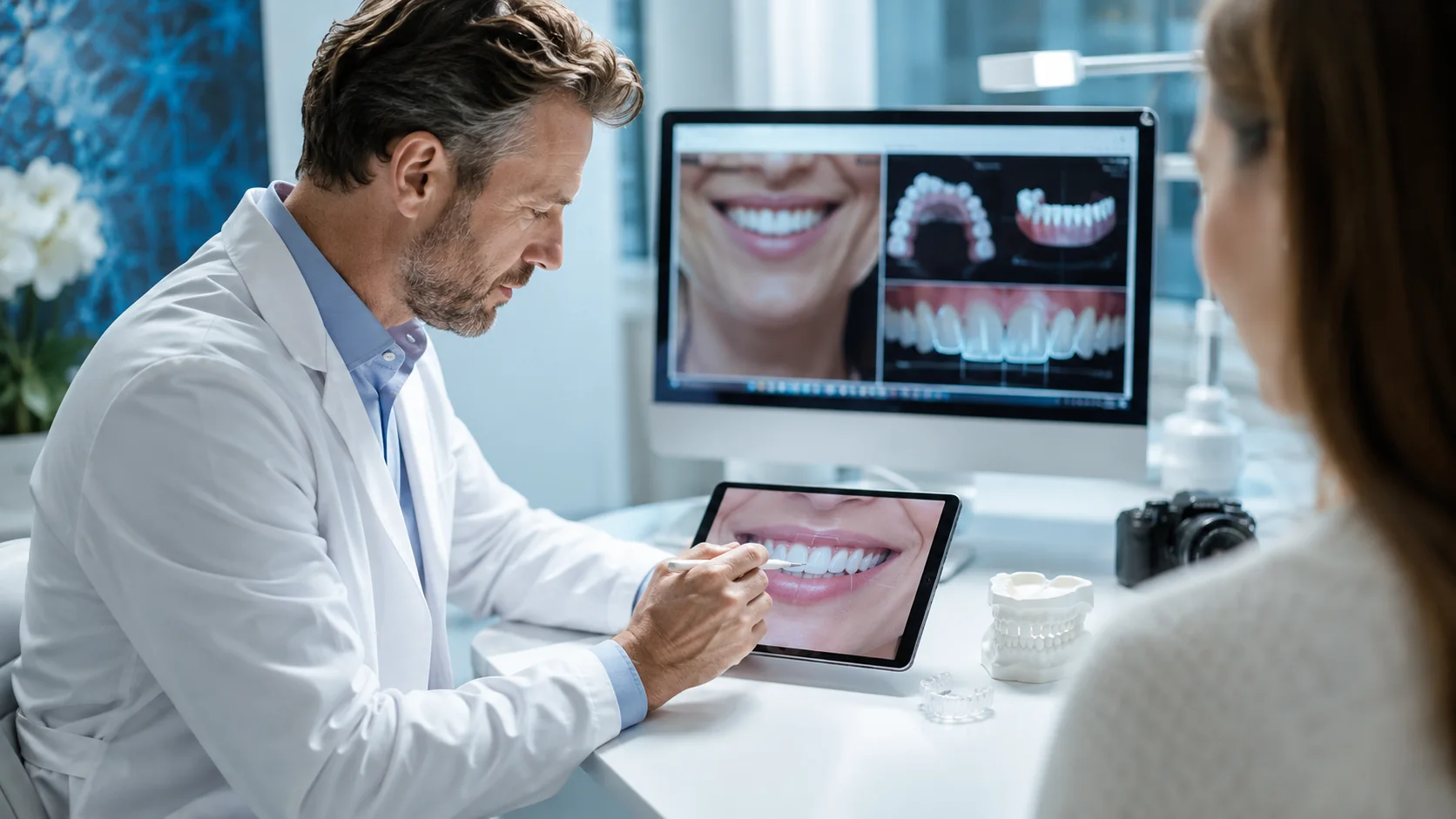
Dental records are then used to design an appliance when treatment is appropriate. The device should fit the actual mouth that will be wearing it rather than forcing a standard shape onto every patient.

If the history raises concern for possible sleep apnea, that question should be addressed through the appropriate medical evaluation.

DO NOT TREAT A MEDICAL QUESTION AS SIMPLE SNORING

Snoring With Concerning Symptoms Deserves Further Evaluation

Loud snoring combined with witnessed breathing pauses, gasping, choking or significant daytime sleepiness can raise concern for obstructive sleep apnea. Those symptoms deserve appropriate sleep evaluation before a dental appliance is treated as the solution.

A dentist can help recognize the need for that conversation but does not replace the medical diagnostic process. The objective is to avoid quieting the snoring while leaving an important breathing disorder unidentified.

Once the diagnosis is clear, the appropriate clinicians can discuss which treatment options make sense.

CLINICAL PERSPECTIVE

The sleep diagnosis comes before OSA treatment.

A dental appliance should not be used to skip the medical evaluation needed when obstructive sleep apnea is suspected.

OSA REQUIRES COORDINATED CARE

Oral Appliances Can Have a Role in Diagnosed Sleep Apnea

Oral appliance therapy is an established treatment option for selected adults with obstructive sleep apnea. That treatment begins with a medical diagnosis and requires a different clinical pathway from providing an appliance solely for primary snoring.

When an oral appliance is prescribed for diagnosed OSA, dental management should be coordinated with the physician or sleep clinician overseeing the disorder. The dental appliance is part of the treatment plan rather than a substitute for the medical diagnosis or follow-up.

Patients with diagnosed or suspected OSA may therefore require involvement from a dental sleep-medicine provider and a physician with appropriate sleep expertise.

SNORING WITHOUT OBSTRUCTIVE SLEEP APNEA

Oral Appliances Can Help With Primary Snoring

Once obstructive sleep apnea has been appropriately excluded and the problem is determined to be primary snoring, an oral appliance can be a reasonable treatment option. Moving the lower jaw forward can reduce the airway vibration responsible for the sound in appropriately selected adults.

The objective is specific: reduce snoring and improve nighttime comfort for the patient and often the person sleeping beside them. Treatment of primary snoring should not be presented as producing the broader medical benefits associated with treating obstructive sleep apnea.

The diagnosis determines what claims are appropriate.

THE REEVES APPROACH

Primary snoring is a different treatment target.

The goal is reducing snoring, not making claims about treating a medical disorder that has not been diagnosed.

AN APPLIANCE DOES NOT HAVE TO BE THE ONLY TOOL

Some Snoring Can Improve With Behavioral Changes

Sleeping position, alcohol use close to bedtime, nasal congestion and other individual factors can influence snoring. Weight management may also be relevant for some patients depending on their broader health and medical recommendations.

Those factors do not make oral appliances unnecessary for everyone. They simply mean a complete discussion of snoring can include practical measures alongside dental treatment rather than assuming every patient requires the same device.

The most useful approach depends on why the person is snoring and what other symptoms are present.

REDUCING SNORING IS NOT THE SAME AS PROVING NORMAL BREATHING

Quieter Sleep Does Not Automatically Mean Sleep Apnea Is Controlled

A dental appliance can reduce the sound of snoring. The absence of loud snoring, however, does not by itself prove that obstructive sleep apnea is absent or adequately treated.

That distinction becomes especially important for anyone who has already been diagnosed with OSA. When an appliance is used for sleep apnea, effectiveness should be assessed through the medical follow-up appropriate to that diagnosis rather than by listening for snoring alone.

The sound is one symptom. The medical condition is a different measurement.

CLINICAL PERSPECTIVE

Quieter is not the same as medically controlled.

Patients using oral appliance therapy for diagnosed OSA still need the follow-up appropriate to the medical condition.

AN ORAL APPLIANCE SHOULD NOT BE A ONE-AND-DONE DEVICE

Why Does a Snoring Appliance Need Dental Follow-Up?

Teeth, restorations and the bite can change over time, and the appliance itself can also wear. Regular follow-up gives the dentist an opportunity to evaluate fit, comfort, structural integrity and any dental changes associated with continued use.

Patients should also mention changes in their sleep symptoms. New or worsening daytime sleepiness, breathing pauses, gasping or other symptoms can be a reason to return to the appropriate medical clinician rather than simply adjusting the appliance.

Long-term care therefore includes both the appliance and the patient wearing it.

DAILY CARE HELPS PROTECT THE DEVICE

How Should You Care for a Snoring Oral Appliance?

The appliance should be cleaned regularly according to the instructions provided with it. Proper storage allows the device to remain protected when it is not being worn.

Dental appliances can wear, crack or change fit over time. Bringing the device to dental appointments gives Dr. Reeves an opportunity to evaluate the appliance along with the teeth supporting it.

An appliance that feels different or becomes damaged should be evaluated rather than altered at home.

THE REEVES APPROACH

Bring the device to dental visits.

The appliance and the teeth supporting it can both change over time, so continuing evaluation matters.

DENTAL APPLIANCE CARE WITHIN A COMPREHENSIVE PRACTICE

Snoring Appliance Evaluation With Dr. Todd Reeves and Dr. Coleman Reeves

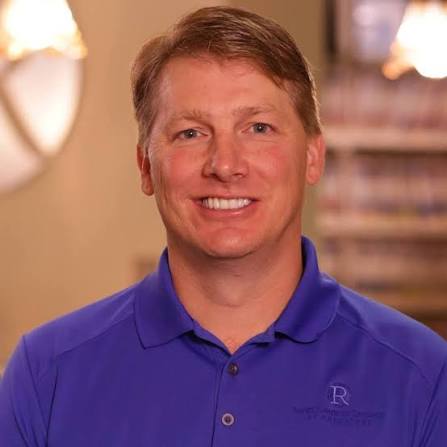
Dr. Todd Reeves

Dr. Todd Reeves established the Greystone practice in 1997 after earning his dental degree from UAB in 1995 and graduating second in his class. His comprehensive dental perspective is useful when an oral appliance has to work around existing restorations, tooth wear and the patient’s established bite.

Dr. Coleman Reeves

Dr. Coleman Reeves earned his dental degree from UAB and practices alongside his father within the same Greystone office. His restorative focus also makes the condition of the supporting teeth, crowns and existing dental work relevant before a long-term appliance is placed.

The appliance interacts with the entire bite.

Dental health, jaw comfort, sleep history and the purpose of treatment all belong in the decision. The goal is to select an appliance that fits both the mouth and the clinical reason for using it.

WHY REEVES

Snoring Appliance Care Within Complete Dentistry

Dental Evaluation First

An appliance has to be supported by healthy teeth, gums and restorations. Dr. Reeves can examine the mouth before deciding whether a snoring appliance is an appropriate dental option.

Custom Appliance Design

A dentist-prescribed appliance is designed from records of the patient’s own teeth and bite. That allows the fit and jaw position to be managed rather than relying on a generic device.

Existing Dentistry Is Considered

Crowns, bridges, implants, veneers and worn teeth can all influence appliance design. The device should work with the dentistry already present rather than create unnecessary stress on it.

Snoring and OSA Are Kept Separate

Primary snoring and obstructive sleep apnea are not treated as though they are interchangeable diagnoses. Concerning symptoms are directed toward appropriate medical evaluation rather than being covered up by a dental appliance.

Follow-Up Is Part of Treatment

An oral appliance can influence the bite and jaw over time. Continuing dental evaluation allows changes to be recognized and managed rather than discovered years later.

Greystone Since 1997

Dr. Todd Reeves established the practice in Greystone in 1997. Patients can receive appliance evaluation within the same office that provides their broader preventive and restorative dental care.

THE DIAGNOSIS AFFECTS THE FINANCIAL PROCESS

How Much Does a Snoring Appliance Cost in Birmingham?

The cost of a custom snoring appliance can vary according to the device, dental records required and the clinical situation being managed. Treatment for primary snoring and medically prescribed oral appliance therapy for diagnosed sleep apnea can also involve different insurance pathways.

Dental and medical insurance do not always treat sleep-related appliance services in the same way. The office can explain the dental portion of the recommended care and help clarify what information may be needed before treatment begins.

Any medical sleep evaluation or specialist care is separate from the dental appliance itself.

THE REEVES APPROACH

The reason for the appliance affects the process.

Primary snoring and medically managed OSA can involve different documentation, clinicians and insurance pathways.

SNORING APPLIANCE DENTIST IN BIRMINGHAM

Snoring Appliance Care Convenient to Greystone and Highway 280

Reeves Cosmetic Dentistry is located at 8040 Hugh Daniel Drive in Birmingham, Alabama 35242, in the Greystone area near the Highway 280 corridor. The practice provides dental evaluation and snoring-appliance care for appropriately selected patients.

If snoring has become a nightly problem, you do not need to determine on your own whether you need a dental device or a medical sleep evaluation. Dr. Reeves can examine the dental side of the problem and help identify when the sleep history deserves additional medical attention.

Patients with witnessed breathing pauses, gasping, choking or significant daytime sleepiness should discuss those symptoms with an appropriate medical clinician. A snoring appliance should not be used to avoid evaluation for possible obstructive sleep apnea.

Reeves Cosmetic Dentistry at Greystone

8040 Hugh Daniel Drive
Birmingham, AL 35242
(205) 991-9997
Monday–Thursday, 8:00 AM–5:00 PM

SNORING APPLIANCE FAQS

Questions About Snoring Oral Appliances in Birmingham

A snoring oral appliance is a removable dental device worn during sleep. It generally holds the lower jaw in a different position to help reduce upper-airway vibration and snoring.

Many appliances move the lower jaw slightly forward during sleep. That change can help support the tongue and surrounding tissues and create additional space for airflow.

Yes. Reeves provides dental appliance care for snoring and currently offers the Silent Nite oral appliance as one option.

Silent Nite is an oral appliance designed to position the lower jaw during sleep. Dr. Reeves can determine whether the patient's teeth, bite and clinical situation are appropriate for this type of device.

No. A night guard primarily protects teeth from grinding and clenching, while a snoring appliance changes jaw position to address snoring.

A conventional bruxism night guard is not designed as a snoring treatment. Someone with both grinding and snoring needs an evaluation that considers both problems.

Not necessarily. People can have primary snoring without OSA, but snoring is also one of the common symptoms associated with obstructive sleep apnea.

A dentist can screen for symptoms and identify when further evaluation may be appropriate. Obstructive sleep apnea requires appropriate medical diagnosis and sleep evaluation.

Dentists can provide oral appliance therapy as part of appropriately coordinated care for selected patients with medically diagnosed OSA. The diagnosis and medical management of the sleep disorder remain separate from the dentist's role in the appliance.

Oral appliance therapy can be used for selected adults with diagnosed obstructive sleep apnea, but that treatment requires a different clinical pathway from treating primary snoring. A routine snoring appliance should not be presented as OSA treatment without the appropriate diagnosis and coordinated care.

Loud snoring, witnessed breathing pauses, gasping, choking and excessive daytime sleepiness can all raise concern. No individual symptom establishes the diagnosis, so medical sleep evaluation is used when OSA is suspected.

Primary snoring is snoring that occurs without obstructive sleep apnea. Once OSA has been appropriately excluded, oral appliance therapy can be considered for adults seeking treatment of primary snoring.

Results vary. Oral appliances can reduce snoring in appropriately selected patients, but no device should be presented as guaranteeing complete elimination of every snoring event.

A custom appliance is made from records of the patient's own teeth and bite and can be professionally adjusted. Generic devices cannot account for every patient's dental condition or provide the same level of continuing dental oversight.

Yes. Appliances that hold the jaw forward can contribute to temporary or longer-term changes in how the teeth meet, which is why dental follow-up matters.

Temporary muscle or jaw discomfort can occur while adapting to an appliance. Persistent or significant pain deserves evaluation rather than simply continuing to wear the device unchanged.

Possibly. Crowns and other restorations need to be evaluated because they help support and retain the appliance.

Possibly. The condition, position and restorative design of the implants need to be considered as part of the dental evaluation.

Active or advanced periodontal disease can influence whether the teeth are appropriate for supporting an oral appliance. Periodontal health should be evaluated before long-term appliance therapy.

Grinding and snoring can occur together. The appliance plan should account for the grinding forces as well as the purpose of the snoring device.

The appropriate evaluation depends on the patient's symptoms and medical history. Because snoring can occur with obstructive sleep apnea, possible OSA needs to be considered and medically evaluated when indicated before the problem is treated as primary snoring.

For some patients with medically diagnosed OSA, oral appliance therapy may be one of the treatment options discussed with their medical clinician. A dentist should not advise someone to discontinue prescribed CPAP simply because the patient is interested in a dental appliance.

Tell Dr. Reeves about the diagnosis and any treatment you currently use. Appliance decisions for OSA should be coordinated with the physician or sleep clinician managing the condition and an appropriately trained dental provider.

No. Reduced snoring does not prove that obstructive sleep apnea is absent or adequately controlled.

Lifespan varies according to the appliance, wear, grinding forces and how well it is maintained. Regular dental follow-up allows damage or fit changes to be identified.

The appliance should be cleaned according to the instructions provided with it and stored safely when not in use. Excessive heat or harsh cleaning methods can damage some dental materials.

Yes. Dr. Reeves can evaluate wear, fit and changes in the teeth or bite during continuing visits.

Yes. Symptoms of sleep apnea can vary, and loud snoring is not required for the disorder to be present.

Yes. Body weight can influence risk, but obstructive sleep apnea can occur in people of different body sizes and should not be ruled out based on appearance alone.

Reeves Cosmetic Dentistry is located at 8040 Hugh Daniel Drive in Birmingham, AL 35242, in Greystone near Highway 280. The office can be reached at (205) 991-9997.

QUIETER SLEEP SHOULD START WITH THE RIGHT QUESTION

Snoring Is a Symptom. Understand What It Represents First.

Maybe your spouse has been nudging you awake for months, you have tried changing sleep positions or you simply want to know whether a dental appliance could make nights quieter. You may also have questions because the snoring occurs alongside grinding, jaw discomfort or other changes you have noticed.

Dr. Reeves can evaluate the dental side of the problem and determine whether your teeth and bite are appropriate for an oral appliance. If the history suggests possible obstructive sleep apnea, the next step should include appropriate medical evaluation rather than simply trying to silence the snoring.

Once the sleep-related question is clear, the appliance can be selected for the problem it is actually intended to solve. Primary snoring and sleep apnea deserve different language, different expectations and, when necessary, different clinicians working together.

START THE CONVERSATION

Start with the dental evaluation and the sleep history.

Request an appointment online or call the Greystone office directly.